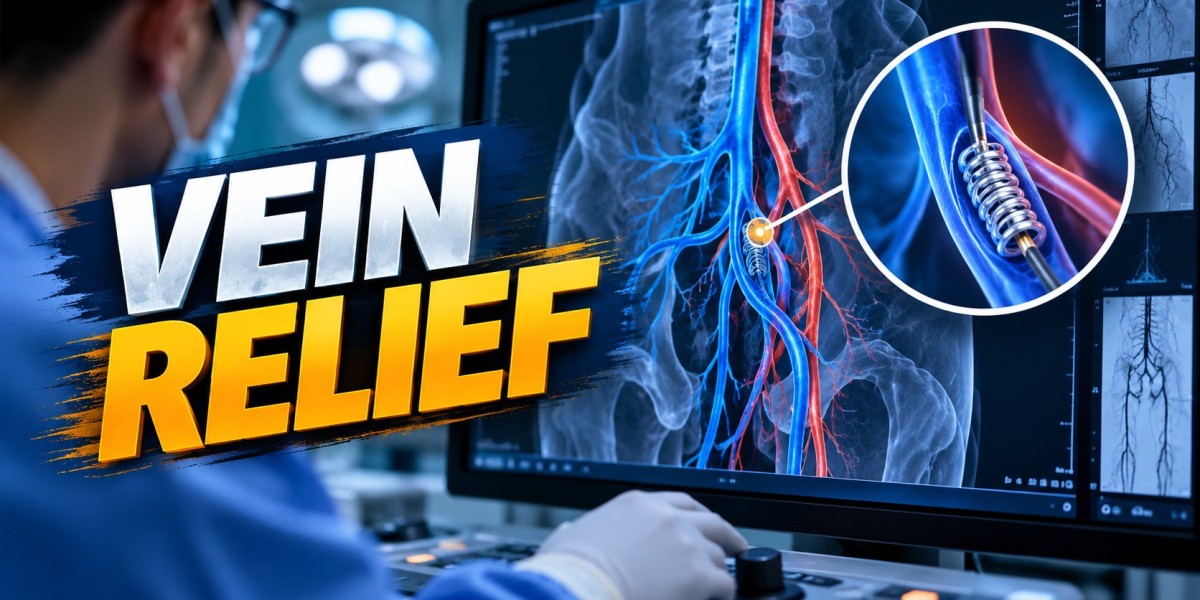

Varicocele embolization is a minimally invasive procedure used to treat a varicocele, a condition in which veins inside the scrotum become enlarged due to abnormal blood flow. It works by closing the affected veins so blood can flow through healthier surrounding vessels. Unlike conventional surgery, embolization uses a thin catheter inserted into a blood vessel, usually through a small puncture in the skin. Understanding Varicocele Embolization can help you learn how the procedure works, who may benefit, what risks are involved, and what to expect during recovery.
A varicocele can cause discomfort, a dragging sensation, visible or enlarged veins, and, in some men, fertility concerns. However, not every varicocele requires treatment. The decision depends on symptoms, examination findings, fertility goals, test results, and overall health. A specialist can help determine whether embolization or another management approach is appropriate.
What Is Varicocele Embolization?
Varicocele embolization is a minimally invasive treatment performed by an interventional radiologist. It treats the abnormal veins responsible for the varicocele by blocking them from within.
Normally, veins carry blood away from the testicles. Small valves inside these veins help maintain the correct direction of blood flow. When the valves do not function properly, blood may flow backward and collect in the veins around the testicle. This causes the veins to enlarge, producing a varicocele.
During embolization, the doctor guides a thin catheter into the affected vein using medical imaging. Small coils, a vascular plug, or a specialised embolic material may then be used to close the abnormal vein. Blood is redirected through other healthy veins.
The procedure does not involve removing the testicle or making a large surgical incision in the scrotum.
Why Is Varicocele Embolization Recommended?
A varicocele may not cause any symptoms and can sometimes be discovered during a routine examination. Treatment is generally considered when the condition is associated with clinically significant symptoms or reproductive concerns.
Common reasons for considering treatment include:
Persistent scrotal discomfort: A dull ache, heaviness, or dragging sensation that interferes with daily activities.
Fertility concerns: A clinically significant varicocele may be associated with abnormal semen parameters in some men.
Testicular size differences: A varicocele may be associated with reduced testicular growth or volume, particularly in younger patients.
Persistent symptoms: Discomfort that continues despite appropriate conservative measures.
Preference for a minimally invasive approach: Some patients may prefer embolization after discussing the available treatment options.
A varicocele alone does not automatically mean that treatment is necessary. A specialist should confirm the diagnosis and assess whether the condition is likely to benefit from intervention.
How Is the Varicocele Embolization Procedure Performed?
The procedure is usually performed in an interventional radiology suite under imaging guidance. It commonly involves local anaesthesia, and sedation may be used depending on the patient and clinical plan.
Step 1: Pre-Procedure Assessment
Before treatment, the doctor reviews your medical history, symptoms, examination findings, medications, and relevant investigations. A scrotal Doppler ultrasound may be used to assess the veins and identify abnormal blood flow.
If fertility is a concern, semen analysis may be recommended. Blood tests and other investigations may also be required depending on your health and the planned procedure.
Step 2: Preparing the Access Site
The skin is cleaned and local anaesthesia is administered. A small puncture is made to access a suitable vein, commonly in the groin or neck, although the access route depends on the patient's anatomy and the doctor's approach.
Step 3: Guiding the Catheter
A thin catheter is carefully guided through the blood vessels toward the vein responsible for the varicocele. Fluoroscopy, a type of real-time X-ray imaging, helps the doctor navigate the catheter and identify the abnormal vein. Contrast material may be injected to make the blood vessels visible.
Step 4: Closing the Abnormal Vein
Once the affected vein is identified, the doctor places embolic material, such as small metal coils or a vascular plug, or uses another suitable embolisation technique to block it.
The purpose is to prevent backward blood flow through the abnormal vein. Blood can then drain through alternative healthy veins.
Step 5: Completing the Procedure
The catheter is removed, and pressure is applied to the access site to prevent bleeding. The patient is monitored for a period before being discharged, depending on recovery and the clinical protocol.
What Are the Benefits of Varicocele Embolization?
Embolization offers several potential advantages for appropriately selected patients.
Minimally invasive treatment: The procedure uses a small puncture rather than a large surgical incision.
No direct scrotal incision: The affected vein is treated from inside the blood vessel, avoiding an incision in the scrotal area.
Usually performed without general anaesthesia: Many procedures can be completed with local anaesthesia, sometimes with sedation.
Short recovery for many patients: Most patients return home on the same day, although individual recovery varies.
Alternative treatment option: Embolization may be suitable for patients who prefer a catheter-based approach or require treatment after a previous procedure.
Potential improvement in symptoms: Closing the abnormal veins may reduce pressure and discomfort associated with the varicocele.
In selected men with fertility concerns, treatment may improve semen parameters. However, improvement is not guaranteed, and fertility outcomes depend on several factors beyond the varicocele.
What Are the Possible Risks and Complications?
Varicocele embolization is generally considered a safe procedure when performed by an appropriately trained specialist. However, no medical intervention is completely free of risk.
Possible complications include:
Bruising or bleeding: Minor bleeding or bruising can occur at the catheter entry site.
Infection: Infection is possible, although uncommon.
Contrast reaction: Some patients may experience an allergic reaction to the contrast material used during imaging.
Vein irritation or thrombosis: Blood vessels may become irritated or develop a clot.
Coil or embolic material movement: Rarely, embolic material may move from its intended location.
Persistent or recurrent varicocele: The abnormal veins may remain open, or alternative veins may continue to cause reflux.
Radiation exposure: Fluoroscopy uses X-rays, so the medical team aims to keep exposure as low as reasonably achievable.
Your doctor should explain the risks relevant to your medical history and anatomy before treatment.
What Is the Recovery Like After Embolization?
Most patients can return home on the same day after observation. Mild soreness, bruising, or tenderness near the access site may occur for a short period.
Recovery instructions may include:
Keep the catheter entry site clean and follow the dressing instructions.
Avoid strenuous exercise and heavy lifting for the period recommended by your doctor.
Walk gently when permitted, rather than remaining inactive for long periods.
Take prescribed pain relief or other medicines according to instructions.
Attend follow-up appointments to assess symptoms and treatment results.
Seek medical advice if you develop increasing pain, fever, significant swelling, persistent bleeding, or other unexpected symptoms.
How Effective Is Varicocele Embolization?
The outcome depends on the anatomy of the abnormal veins, the severity of the varicocele, the embolisation technique, and individual health factors.
Many patients experience improvement in discomfort after successful treatment. Some men also experience improvements in semen parameters, but this may take several months because sperm production follows a biological cycle.
A follow-up examination or ultrasound may be recommended if symptoms continue or recurrence is suspected. Fertility outcomes should be assessed separately because male fertility can be influenced by sperm production, hormonal factors, age, and other reproductive conditions.
Conclusion
Varicocele embolization is a minimally invasive option for treating enlarged scrotal veins caused by abnormal blood flow. It uses a catheter and embolic material to close the affected vein without requiring a large surgical incision. The procedure may help reduce discomfort and may improve semen parameters in selected men, although results vary. Understanding the potential benefits, risks, and recovery requirements can help you make an informed decision with your doctor. For appropriate clinical evaluation and guidance on varicocele treatment in jaipur, consult a qualified specialist who can assess your condition and discuss suitable options.
Frequently Asked Questions
1. Is varicocele embolization a surgery?
It is a minimally invasive, image-guided procedure rather than conventional open surgery. A thin catheter is inserted through a small puncture in a blood vessel to close the abnormal veins.
2. How long does varicocele embolization take?
The procedure commonly takes around one to two hours, although the duration varies with vein anatomy, access route, and technical complexity.
3. Is varicocele embolization painful?
Most patients receive local anaesthesia, and sedation may also be used. Some pressure or discomfort may occur during the procedure, followed by temporary soreness or bruising.
4. Can varicocele embolization improve fertility?
It may improve semen parameters in selected men with a clinically significant varicocele. However, improvement in fertility or pregnancy rates is not guaranteed and depends on other reproductive factors.
5. How long does recovery take after varicocele embolization?
Many patients resume light daily activities within a short period. Strenuous exercise and heavy lifting should be avoided until the treating doctor confirms they can be resumed.