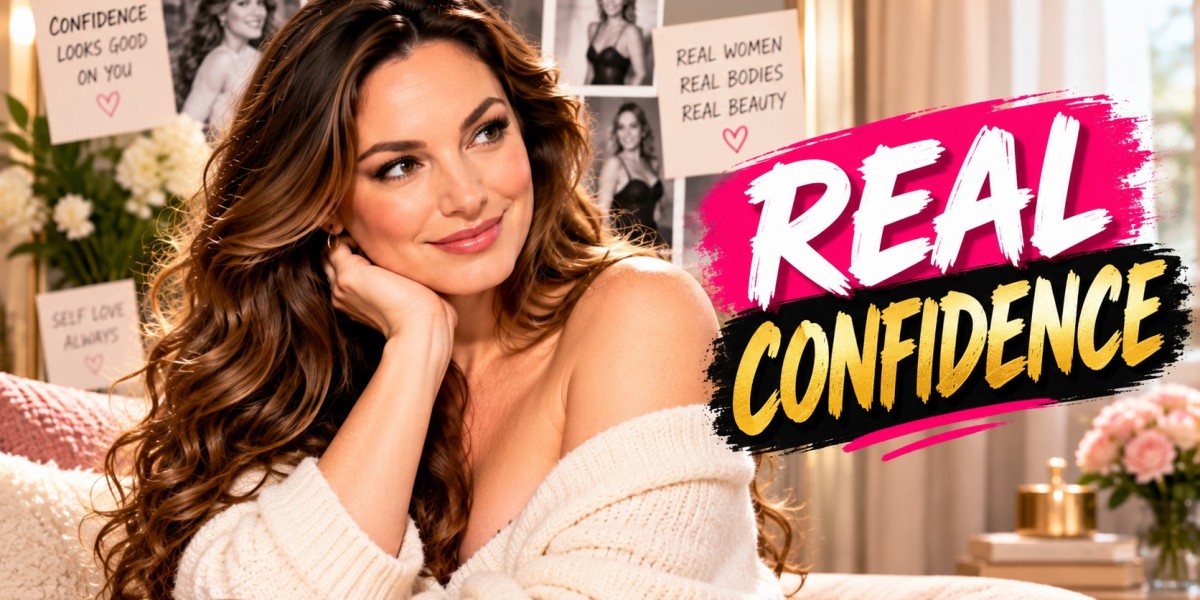

Kelly Brook has become part of public conversations about body confidence because she has spoken openly about appearance, changing body standards and the pressure placed on women in the entertainment industry. Her career began in modelling, an environment often associated with strict expectations about size and appearance. Over time, she has discussed becoming more comfortable with her body and choosing clothes that suit her rather than trying to meet a particular ideal. For readers exploring Kelly Brook, her public comments provide a perspective on how confidence and personal style can evolve with age and experience.
Her influence should be considered carefully. She is not a medical or psychological expert on body image, and her personal experiences cannot represent every woman's experience. However, her visibility and comments have helped bring attention to conversations about body acceptance, fashion inclusivity and unrealistic appearance expectations.
How Did Modelling Shape Her Experience of Body Image?
Brook entered modelling at a young age and built much of her early public profile through fashion, swimwear and lingerie campaigns. The modelling industry has historically placed strong emphasis on appearance, measurements and maintaining a particular image.
For models, this can create pressure to compare themselves with industry expectations. The demands of photo shoots, advertising campaigns and public appearances may also make personal appearance feel like a professional requirement rather than simply an individual choice.
Brook has discussed the difference between how she viewed her body when she was younger and how she feels about it as she has grown older. In interviews, she has described becoming more comfortable with her appearance and placing less pressure on herself to maintain the same figure she had in her twenties.
These comments are relevant because they challenge the idea that confidence must depend on looking exactly the same throughout life. Bodies naturally change, and a person's relationship with appearance can change too.
What Has Kelly Brook Said About Accepting Her Body?
Brook has spoken publicly about feeling more confident in her body as she has matured. In a 2018 interview, she said she was no longer trying to compete with women in their twenties and described feeling more confident than she had when she was younger.
The significance of this perspective lies in its rejection of constant comparison. Public figures are frequently judged against changing beauty trends, and women in particular can face pressure to look younger or maintain a specific body shape.
Brook's comments suggest a more personal approach: rather than treating youth as the only standard of attractiveness, she has discussed accepting the changes that come with age.
She has also spoken about not putting the same pressure on herself to look perfect all the time. This is an important distinction. Body confidence does not mean believing that appearance never matters; it means not allowing appearance to become the only measure of personal value.
How Has Her Fashion Work Supported Body Representation?
Brook's fashion collaborations have helped connect her public image with clothing designed for different body proportions. Her association with fuller-bust swimwear and lingerie ranges, including work linked to NEXT, is one example.
Fashion representation is not only about featuring different body types in advertising. It also involves making products that fit real customers comfortably and offering a useful range of sizes.
For shoppers, a garment's cut and construction can matter as much as its label size. Fuller-bust clothing, for example, may require different proportions in the bust, straps and support structure. A campaign that draws attention to these needs can help make fit a more visible part of the fashion conversation.
Brook's involvement gave a recognisable public face to this type of retail offering. It also connected her personal image with a wider discussion about whether fashion brands adequately serve customers with different body shapes.
A celebrity collaboration alone cannot solve problems of limited sizing or poor fit. Nevertheless, it can encourage brands and customers to pay greater attention to representation and product design.
Has She Challenged Traditional Beauty Standards?
Brook has spoken about the fashion industry's changing approach to body diversity. In comments reported in 2020, she welcomed the increased visibility of women with different shapes, sizes, heights and backgrounds in modelling.
This reflects a broader change in fashion and advertising. Traditional modelling standards often favoured a relatively narrow physical profile, particularly in high-fashion work. More recent campaigns have increasingly included models with varied body types and appearances.
The change has not been complete or consistent. Some fashion categories remain highly restrictive, and brands may promote inclusivity in advertising without offering an equally broad product range.
Brook's comments are useful in this context because they recognise that representation has expanded. Her perspective also reflects the experience of someone who worked in modelling before some of these changes became more visible.
It is important not to claim that one celebrity caused the shift. Body diversity has been promoted by many models, campaigners, designers, customers and organisations. Brook is one public figure who has contributed to the conversation through her own comments and collaborations.
How Has Ageing Changed Her Approach to Confidence?
Ageing has been a recurring theme in Brook's comments about appearance. She has discussed becoming more comfortable with the idea that her body and professional work change over time.
In earlier stages of her career, she was more closely associated with modelling assignments that placed strong attention on appearance. As her career developed into television and radio, her professional identity became less dependent on modelling alone.
This shift may have influenced how she talks about appearance. When a person's work includes broadcasting, presenting and entertainment, their professional value can be recognised through communication, experience and personality as well as physical appearance.
Brook has also discussed feeling less pressure to experiment with every fashion trend and having a clearer understanding of what suits her. This suggests a practical form of confidence based on knowing personal preferences rather than following every external expectation.
Her experience does not mean that ageing is always easy or that appearance-related pressure disappears. It demonstrates that confidence can develop through changing priorities and a more settled sense of personal style.
What Is the Difference Between Body Positivity and Body Confidence?
Body positivity and body confidence are related ideas, but they are not identical.
Body positivity is commonly associated with challenging narrow beauty standards and encouraging acceptance of bodies that have historically been underrepresented. It can include advocating for greater visibility across different sizes, shapes, ages and abilities.
Body confidence is more personal. It refers to how comfortable someone feels in their own body and how they relate to their appearance in everyday life.
Brook's public comments touch on both areas. Her remarks about feeling more comfortable as she has grown older relate to personal confidence. Her comments about fashion brands representing women of different shapes and sizes connect with broader body-positive discussions.
Neither idea requires someone to feel completely confident every day. A realistic approach allows for changing feelings while discouraging harsh self-judgement and constant comparison.
What Can Audiences Take From Her Public Statements?
One useful lesson from Brook's comments is that personal style does not need to follow a fixed standard. Clothing can be chosen according to comfort, fit and individual preference rather than an assumption that every woman should dress to appear smaller or younger.
Another lesson is that confidence can change with experience. People may become more aware of what suits them, which comparisons are unhelpful and which expectations they no longer want to follow.
Her fashion work also highlights the importance of product inclusivity. Positive advertising has limited value if customers cannot find clothes that fit their bodies. Brands need to consider garment construction, sizing and availability alongside campaign imagery.
Finally, her experience shows why celebrity statements should be viewed as personal perspectives rather than universal advice. Body image is affected by many factors, and each person's circumstances are different.
Conclusion
Kelly Brook has contributed to public discussions about body confidence through her comments on ageing, appearance and the pressure to meet narrow beauty standards. Her fashion collaborations, particularly in swimwear and lingerie, have also connected her public profile with greater attention to fit and body representation. She has not single-handedly changed the fashion industry, but her experiences offer a visible example of how confidence can evolve beyond the expectations of a modelling career.
For more celebrity profiles and entertainment features, explore UK Celebrity News and Updates.
Frequently Asked Questions
1. Has Kelly Brook spoken about body confidence?
Yes. She has discussed feeling more comfortable with her body as she has grown older and putting less pressure on herself to maintain a particular figure.
2. What has Kelly Brook said about ageing?
She has spoken about accepting changes in her appearance and not trying to compete with much younger women.
3. Has Kelly Brook supported body diversity in fashion?
She has publicly welcomed greater representation of women with different shapes, sizes and heights in fashion campaigns.
4. Did her fashion collaborations include fuller-bust clothing?
Yes. Her work associated with NEXT included a fuller-bust swimwear and lingerie range.
5. Did Kelly Brook create the body positivity movement?
No. Body positivity is a much broader movement involving many individuals and organisations. Brook is one public figure who has contributed to related discussions through her comments and fashion work.