
You have finished. The argument holds, the references are in, and you have read it so many times the words have started to blur.
Then, late in the evening, you spot it. A sentence with no verb. A citation dated 2019 that should say 2018. A paragraph that slides from past tense into present without warning.
None of it looks serious on its own. Together, it makes you wonder what else is hiding in there. The good news is that there is a practical way to find out.
Why you miss your own mistakes
Your brain knows what you meant to say. So it quietly repairs the page as you read, and the error slides straight past.
That is why a spellchecker and one more read-through rarely feel like enough.
The mistakes that slip through are often not the obvious ones. They are the correctly spelt wrong word, the missing “not” and the reference that looks tidy but carries the wrong year.
Know which job you are doing
Proofreading is the final check, once the thinking is done. It covers spelling, grammar, punctuation, references and layout.
It cannot rescue a weak argument. If a paragraph claims more than your evidence supports, no amount of comma-fixing will help.
Fix the thinking first. Polish the language second. Mix the two and you end up perfecting sentences you later delete.
The level matters too. A-Level and BTEC work rewards clear explanations and accurate terminology. Undergraduate work needs tighter citations and consistency across longer documents. At master’s level, a single overstated claim can weaken an otherwise strong analysis.
Three problems, three different fixes
Picture a report on employee motivation. One paragraph names the wrong theory. A table is mislabelled. One sentence says the opposite of what you meant.
Same document, three separate jobs. The table is a formatting fix. The sentence needs careful rewording. The theory means going back to the original source.
A spellchecker might flag a wording problem, but it would not reliably identify all three errors.
When a second pair of eyes helps
Some people simply work better with outside help, and that is perfectly sensible. If you are weighing up a Coursework proofreading service, ask one thing first: does it check your brief, referencing and layout, or only spelling and grammar?
Also read your institution’s rules on external help and AI tools before sending anything. The analysis and the submission must stay yours.
The five-pass method
Trying to catch everything in one read is exhausting and rarely works. Give each pass a single job.
Pass 1: The brief. Check sections, word count, referencing style and file type before you touch a comma.
Pass 2: The language. Hunt for missing words, apostrophes, tense shifts and subject-verb agreement. Treat grammar-tool suggestions with suspicion, because a “correction” can change a technical meaning.
Pass 3: The clarity. Read tricky sentences aloud. If you cannot say what a sentence is claiming, simplify it. Plain usually beats fancy.
Pass 4: The references. Match every in-text citation to the list. Check years and page numbers, and confirm the source genuinely supports the point.
Pass 5: The real file. Open the exact document you will submit. If it is a PDF, read the PDF. Page breaks, tables and captions often shift during export.
The flip-word search
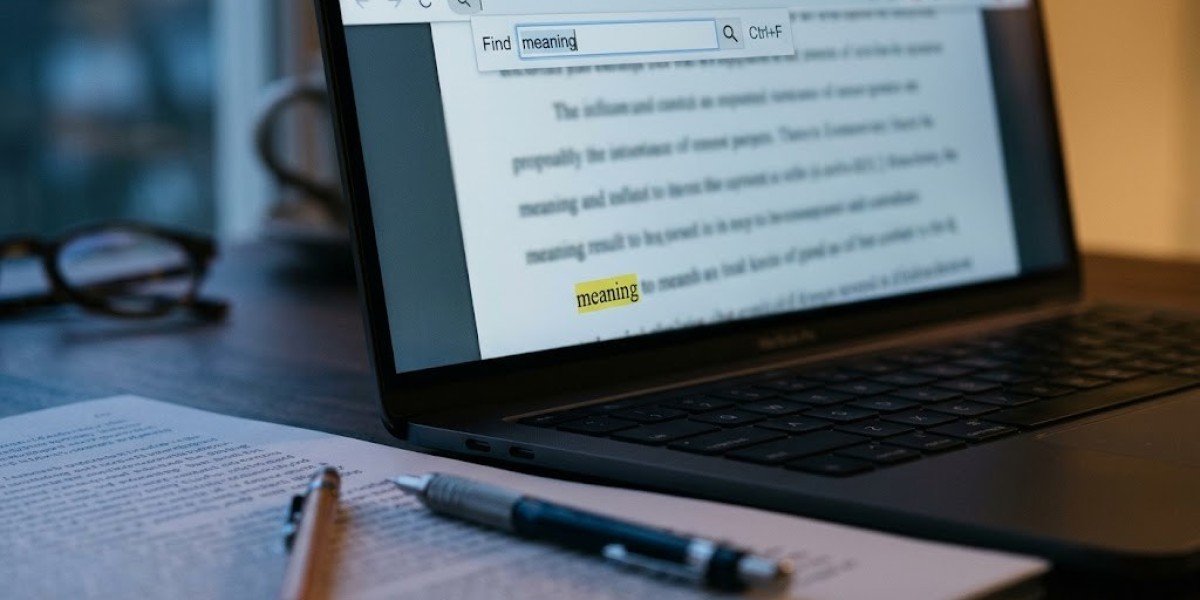
Here is a simple check that targets meaning, not spelling. Press Ctrl+F and search for the small words that can flip a sentence: not, no, only, all, every, never, increase, decrease, proves.
Check every hit slowly. One missing “not” can reverse a finding. “All” can turn a result from one university into a claim about every university. “Proves” often wants to be “suggests”.
Do the same for numbers and units: percentages, dates, and anything you wrote as “up” or “down”.
Depending on the length of your work, it may take a few minutes or much longer, and it will not catch everything. But it can help uncover meaning errors a spellchecker has no way to see.
Build your own error list
Most of us repeat the same slips. Inconsistent terminology, dropped articles, citation years.
Note what you find in your first pass, then search for those exact patterns at the end. It beats “read carefully” because you are hunting known problems, not hoping something catches your eye.
Read backwards, but only for one thing
For typos only, read your last paragraph first, then the one before it. Without the story pulling you along, your eyes land on individual words.
Use it for a quick sweep of headings, captions and the reference list, where small slips love to hide.
What makes a reader stumble
A reader may have to pause when terminology changes without explanation, a figure has no caption or a citation cannot be traced. Each interruption makes the argument harder to follow.
Remove those bumps and your ideas get the attention they deserve.
That is the real aim. Not perfection. A clean path for the reader.
Mistakes that undo good work
Proofreading mid-rewrite. New edits bring new errors. Finish the big changes first.
Accepting every suggestion. Software spots patterns, not subject meaning.
Making plain sentences “academic”. If a sentence is clear and accurate, leave it.
Trusting tidy references. A neat entry can still point to the wrong source.
Last-minute tweaks. Change one line and the next may break, or figure numbers may shift. Recheck the surrounding passage.
Your final read
Leave the work overnight if you can. Then change the font or print it. A different look slows your eyes down, and slower reading catches more.
Ask one question of every doubtful line: could this error change the meaning, weaken the evidence or make the reader work harder?
Finally, check the small print of your file name, page numbers and contents page. They are dull, and they are the first things a reader sees.
If a sentence already says exactly what you mean, leave it alone.
Good proofreading does not turn your coursework into something else. It makes sure your reader gets what you meant in the first place.