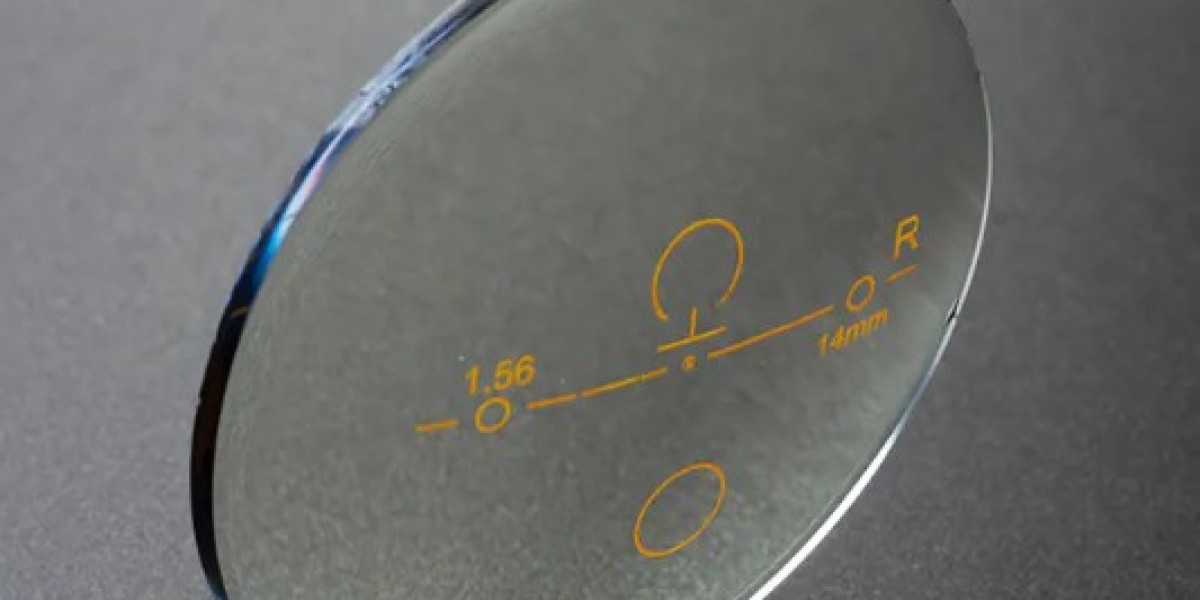

As optical technology develops, eyewear businesses are looking for products that combine practical features with versatile design. Blue Light Blocking Photochromic lenses bring together light-responsive tinting and blue-light filtering technology in a single product category. For optical brands, distributors, and retailers, understanding the characteristics of these lenses helps support product selection, accurate marketing, and effective communication with customers.
Photochromic technology allows lenses to change tint in response to suitable light exposure. Depending on the material, lenses generally become darker outdoors and return toward a clearer state when exposure decreases. The speed and degree of this transition can vary according to temperature, ultraviolet exposure, lens formulation, and environmental conditions. Buyers should review product-specific information to understand the expected performance instead of assuming that all photochromic lenses behave identically.
Blue-light filtering technology works differently. It is designed to selectively reduce certain wavelengths of blue light through the lens material, a coating, or another optical treatment. The amount of light filtered depends on the product's design and should be evaluated using relevant manufacturer documentation. For commercial applications, clear descriptions of the filtering characteristics are preferable to broad claims about health benefits that may not be supported by product testing.
Combining these features requires coordinated material selection and optical engineering. Manufacturers need to consider how light-responsive compounds, filtering characteristics, lens coloration, and surface treatments interact. The objective is to produce a lens that meets its specified optical requirements while providing the intended functional features. B2B purchasers should confirm the available configurations and review technical documentation before choosing a product for a particular market.
Material selection influences weight, thickness, durability, and processing compatibility. Standard resin lenses are commonly used for everyday prescription eyewear. Polycarbonate offers a lightweight structure and impact resistance for suitable applications, while high-index resin can help reduce thickness for certain stronger prescriptions. The appropriate material depends on prescription strength, frame design, intended use, and the manufacturer's available product range.
Surface coatings may provide additional benefits. Anti-reflective coatings help reduce reflections from lens surfaces, while hard coatings improve resistance to everyday scratching. Hydrophobic treatments can make water droplets easier to remove, supporting routine maintenance. However, coating combinations must be compatible with the selected material and manufacturing process. Buyers should clarify which treatments are available and confirm their expected performance before placing bulk orders.
Quality control is particularly important for specialized optical products. Depending on the design, inspection may cover optical power, lens dimensions, surface condition, coating uniformity, tint behavior, and packaging. Sample testing allows buyers to evaluate whether the product aligns with their requirements before mass production. Clear acceptance criteria and documented specifications also help reduce discrepancies between approved samples and subsequent shipments.
Customization can support different business models and retail strategies. Depending on production capabilities, buyers may request specific prescription ranges, refractive indexes, lens diameters, tint characteristics, coating combinations, and branded packaging. Before confirming an order, businesses should discuss minimum order quantities, sample policies, production lead times, shipping arrangements, and available documentation. Providing accurate specifications early helps suppliers assess feasibility and coordinate production more efficiently.
Customer education is another important consideration. Photochromic activation and fading can vary with environmental conditions, and performance may be different behind certain types of vehicle glazing. Blue-light filtering characteristics also depend on the selected lens design. Retailers should communicate these distinctions clearly and avoid promising identical results in every environment. Accurate explanations help customers understand the product's intended functions and limitations.
Choosing Blue Light Blocking Photochromic lenses for a commercial collection involves evaluating optical performance, material compatibility, manufacturing consistency, and target-market demand. Thinkey Optical Co.,Ltd. supports optical businesses seeking lens sourcing and customized product solutions. To discuss available options and potential cooperation, visit https://www.thinkeyoptical.com.