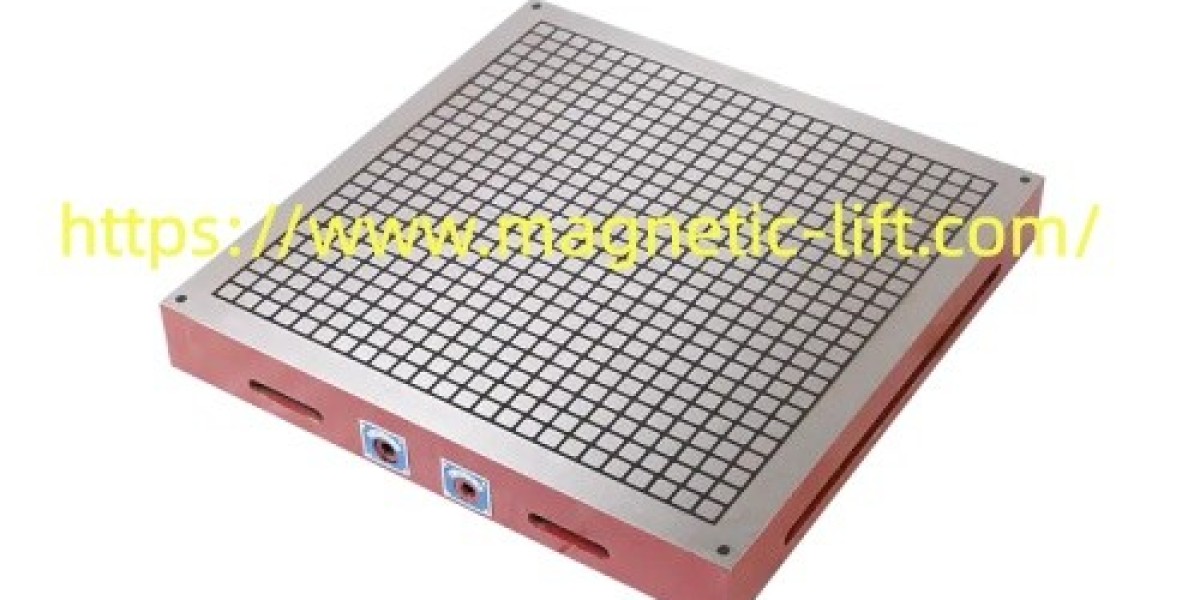

Super Strong Permanent Magnetic Chuck selection should begin with the workpiece and machining process rather than a product name or a single holding figure. Buyers should review material type, thickness, dimensions, surface condition, contact area, pole arrangement, machine compatibility, and the forces generated during processing. These details can influence whether a particular chuck is appropriate for the intended application.
The material being machined is an important starting point. Magnetic workholding is generally intended for ferromagnetic materials, but different steel grades can respond differently to magnetic fields. Mild steel is commonly suitable, while some alloyed or hardened materials can have reduced magnetic response. Nonferrous materials such as aluminum and copper generally require another workholding approach. Buyers should therefore provide the actual material specification when discussing equipment with a manufacturer.
Thickness deserves careful attention as well. A thicker workpiece can provide a more suitable path for magnetic flux, while thin material may require a finer pole arrangement. When the material is too thin for the selected pole configuration, the available holding condition can change. This is why buyers should provide both the minimum and regular thickness of the parts being processed rather than giving only their weight.
Workpiece dimensions also affect the selection. A large flat component can provide substantial contact with the chuck surface, while a small part may cover only a limited number of magnetic poles. The amount of usable contact area can influence holding conditions, especially when the workpiece is narrow or irregularly shaped. For small components, buyers should pay particular attention to pole spacing and the dimensions of the active surface.
Surface condition is another practical factor. Rust, dirt, chips, paint, rough machining marks, or other material between the workpiece and chuck can create an air gap. Magnetic force does not pass through air as effectively as it does through suitable magnetic material, so poor contact can reduce the available holding effect. Keeping the contact surfaces clean and properly prepared is therefore an important part of daily machining practice.
Pole spacing should be matched with the parts being processed. Fine pole arrangements can be useful for thin or smaller components because they distribute magnetic contact across a greater number of smaller areas. Larger workpieces may call for a different arrangement. There is no single pole configuration that suits every machining task, so buyers should provide information about the usual size and thickness range before selecting a model.
The machining process itself should also be considered. Surface grinding, light milling, finishing, and other operations can place different forces on the workpiece. Side forces and vibration may affect how securely a component remains positioned. Buyers should explain the intended operation and cutting conditions when requesting technical guidance. A chuck designed around the actual process can be easier to evaluate than one selected from capacity information alone.
Machine compatibility is another point that should be confirmed before purchase. The chuck dimensions need to correspond with the available machine table, mounting arrangement, working envelope, and installation space. A unit that does not fit the table correctly can create unnecessary installation difficulties. Buyers should check table dimensions and mounting requirements before placing an order, particularly when replacing an existing workholding system.
Flatness and surface condition of the chuck itself also matter during precision machining. A damaged or poorly maintained working surface can influence contact between the component and the magnetic unit. Regular cleaning and inspection can help maintain suitable contact conditions. When the equipment is used frequently, buyers should also consider maintenance requirements and access to technical documentation.
Residual magnetism can be relevant after machining. Some workpieces may retain magnetism after removal, which can attract fine metal particles or affect later processes. Depending on the application, buyers may therefore want to consider demagnetization requirements as part of the overall workholding plan. This is particularly useful when components move between several machining and inspection stages.
For purchasing teams, the easiest way to communicate requirements is to prepare a basic application sheet. Include material grade, thickness range, workpiece dimensions, typical weight, surface condition, machining method, machine table size, and expected working frequency. This information gives a manufacturer a practical basis for discussing suitable configurations instead of relying on assumptions.
Kaixinmagnetic provides magnetic workholding equipment for different industrial machining requirements. Buyers can review product construction, pole arrangements, dimensions, and application information according to their actual processing needs. This approach can also help distributors and machine tool suppliers communicate more clearly with their customers.
Choosing suitable equipment is ultimately about matching the magnetic circuit and physical design with the real workpiece. Material, thickness, contact area, pole spacing, surface condition, machine size, and machining forces should all be considered together. A careful comparison can help buyers avoid selecting equipment based only on a single specification that may not represent their actual operating conditions.
For manufacturers, workshops, distributors, and machining professionals comparing available solutions, the Kaixinmagnetic product range provides a convenient starting point for reviewing magnetic workholding options. Product information and available configurations can be viewed at https://www.magnetic-lift.com/product/ while application details can be matched with the specific requirements of each project.