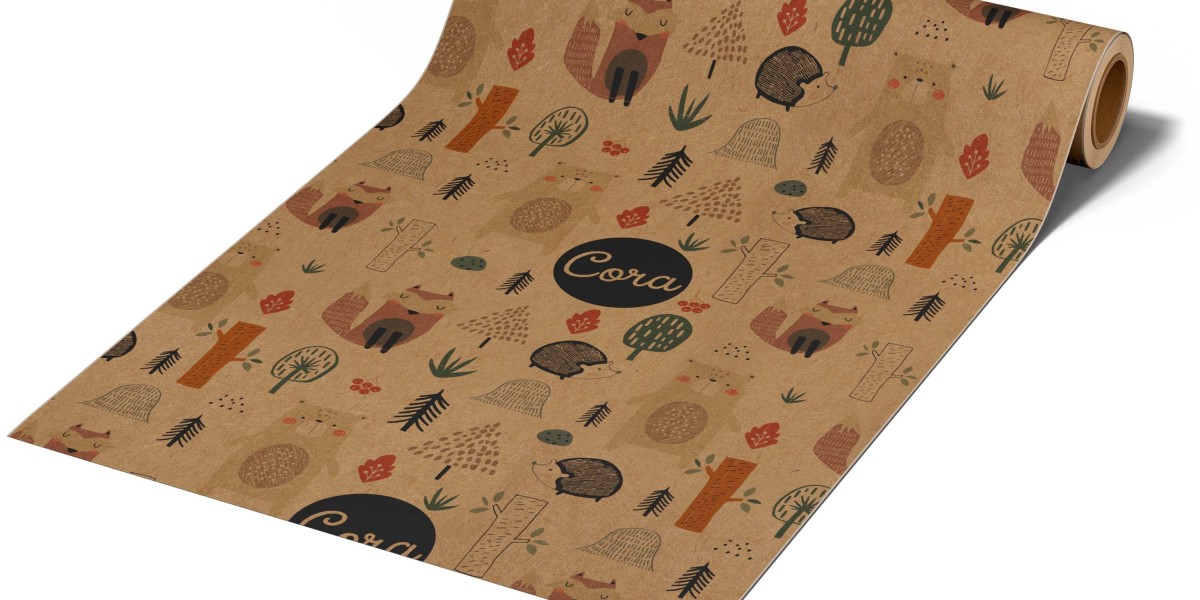

Hot food needs packaging that keeps it fresh, handles grease, and makes serving easier. From burgers and sandwiches to fried snacks and wraps, the right wrapping paper can make a real difference in a food business. Custom Hot Paper gives restaurants, cafes, food trucks, and takeaway shops a practical way to package meals while presenting their brand. It can be designed in different sizes, colors, and styles to suit specific menu items. Good wrapping paper also helps staff serve customers quickly and keeps food easier to handle. However, choosing the right option takes more than picking an attractive design. Businesses need to consider heat resistance, grease control, food safety, printing quality, and cost. Understanding these details helps owners select packaging that works well during busy service hours and creates a better experience for customers.
Choosing Suitable Materials
The material used for food wrapping affects how well it performs during everyday service. Paper for hot meals should be suitable for direct food contact and able to handle the temperature custom printed hot paper and moisture associated with the food being served. A burger may release grease, while a freshly baked sandwich may produce steam. These conditions require different levels of protection. Some papers have a special grease-resistant treatment, while others are better suited to dry foods. Before placing an order, businesses should ask suppliers about the paper's intended use and any temperature limitations. Thickness matters, too. Very thin paper may tear during wrapping, while unnecessarily heavy paper can increase packaging costs. Choosing the right material helps restaurants avoid waste and makes serving more convenient for staff and customers.
Managing Heat And Grease
Hot food often releases oil, moisture, and steam, which can affect the quality of its wrapping. A paper that works well for a dry pastry might not perform as well with a freshly cooked burger. For this reason, Custom Greaseproof Hot Paper can be a useful choice for businesses serving oily or fried foods. Grease-resistant paper helps reduce visible oil stains and keeps customers' hands cleaner. However, grease resistance does not automatically mean that the paper is waterproof or suitable for every temperature. Food businesses should test samples with their actual menu items before buying in large quantities. They should also consider how long food stays wrapped before serving. A suitable paper can make takeaway meals easier to carry without promising that the food will remain crisp or hot indefinitely.
Creating Strong Branding
Packaging is often one of the first things customers notice when their meal arrives. A clear design can help people recognize a restaurant and remember its name after they leave. With Custom Hot Paper With Logo, businesses can place their logo, brand colors, or other identifying details directly on the wrapping. The design should remain simple enough to look clear on a folded sheet. Small text and complicated graphics may become difficult to read when the paper is wrapped around food. It is also worth checking how the printed design looks under indoor lighting and natural daylight. Consistent colors and readable lettering help packaging match menus, takeaway bags, and other branded items. The goal is to create a familiar appearance without making the wrapping too busy or distracting from the food itself.
Selecting Printing Methods
Printing quality affects both appearance and everyday performance. Food businesses should choose a printing process that suits the paper, order size, design, and budget. Custom Printed Hot Paper allows restaurants to use their own artwork instead of relying on plain packaging. Before approving a large order, owners should review a sample or printed proof to check the colors, spacing, and logo placement. They should also ask whether the inks and printing process are appropriate for the intended food-contact application. The supplier should explain any restrictions on where the printed surface can touch food. Clear communication at this stage can prevent costly mistakes. It is also sensible to confirm that the final production will match the approved proof as closely as possible, especially when several packaging items share the same branding.
Ordering Wholesale Quantities
Buying packaging in larger quantities can help established food businesses maintain a steady supply and reduce the cost per sheet. Custom Hot Paper Wholesale orders may also give buyers more options for sizes, printing, and material selection. However, a lower unit price does not always mean a better deal. Businesses need to consider storage space, delivery charges, minimum order quantities, and how quickly they use their supplies. A restaurant with a changing menu may not want to store thousands of sheets featuring an outdated design. Before committing to a bulk purchase, estimate weekly usage and compare supplier quotes carefully. Ask about production times and the process for reordering the same design. A sensible purchasing plan helps prevent stock shortages while reducing the risk of spending money on packaging that sits unused for months.
Considering Sustainable Packaging
Many customers pay attention to the packaging used by their favorite food businesses. Restaurants can respond by reviewing the materials they buy and the waste those materials create. Eco-Friendly Hot Paper may be an option for businesses looking to reduce their packaging impact, but the description alone does not confirm that a product is environmentally preferable. Owners should check whether the paper contains recycled material, comes from responsibly managed sources, or has relevant compostability or recyclability certifications. They should also consider local waste collection rules because food residue and special coatings can affect disposal options. A paper advertised as compostable may require specific facilities that are not available in every area. Asking suppliers for clear documentation makes it easier to compare products honestly. Choosing packaging that suits both the menu and local disposal systems can support more responsible business decisions.
Exploring Design Options
Different foods often need different wrapping styles, so businesses should consider how each sheet will be used. A sandwich shop may need rectangular sheets, while a burger restaurant may prefer custom greaseproof paper square paper that folds neatly around its products. Customized Hot Wrapping Paper can be produced in different sizes and printed with designs that reflect a restaurant's style. Patterned backgrounds, small logos, and limited color palettes can create an attractive appearance without increasing visual clutter. Another option is to use separate designs for different menu categories while keeping the same main brand elements. Before choosing a final format, staff should test how easily the paper folds, whether it stays in place, and how much material each item requires. Practical testing helps businesses avoid designs that look good on screen but prove awkward during a busy shift.
Comparing Supplier Quality
A reliable supplier should provide clear information about materials, printing, order quantities, delivery schedules, and pricing. Businesses comparing Custom Printed Wrapping Hot Paper options should look beyond product photographs and ask for physical samples whenever possible. Samples make it easier to check the paper's texture, strength, print clarity, and performance with real food. It is also helpful to ask how the supplier handles defects, delayed deliveries, and repeat orders. A very cheap product may become expensive if it tears easily or arrives with inconsistent printing. Requesting a written quotation helps clarify what the price includes, such as artwork preparation, printing, packaging, and shipping. Good communication is especially valuable for restaurants that depend on regular deliveries. Choosing a supplier based on quality, consistency, and service can make packaging purchases more predictable over time.
Conclusion
Choosing the right Custom Hot Paper involves balancing appearance, performance, food safety, and cost. The paper should suit the food being served, handle grease appropriately, and work well during busy service hours. A clear printed design can also help customers recognize a business without adding unnecessary detail to the packaging. Before ordering, test samples, review the printing quality, and confirm that the materials meet the requirements for their intended use.
It is equally helpful to compare suppliers, plan order quantities, and check environmental claims carefully. A thoughtful choice can reduce packaging problems and create a more consistent experience for customers. By focusing on practical needs first, food businesses can find wrapping paper that supports daily operations and presents their brand in a professional way.




