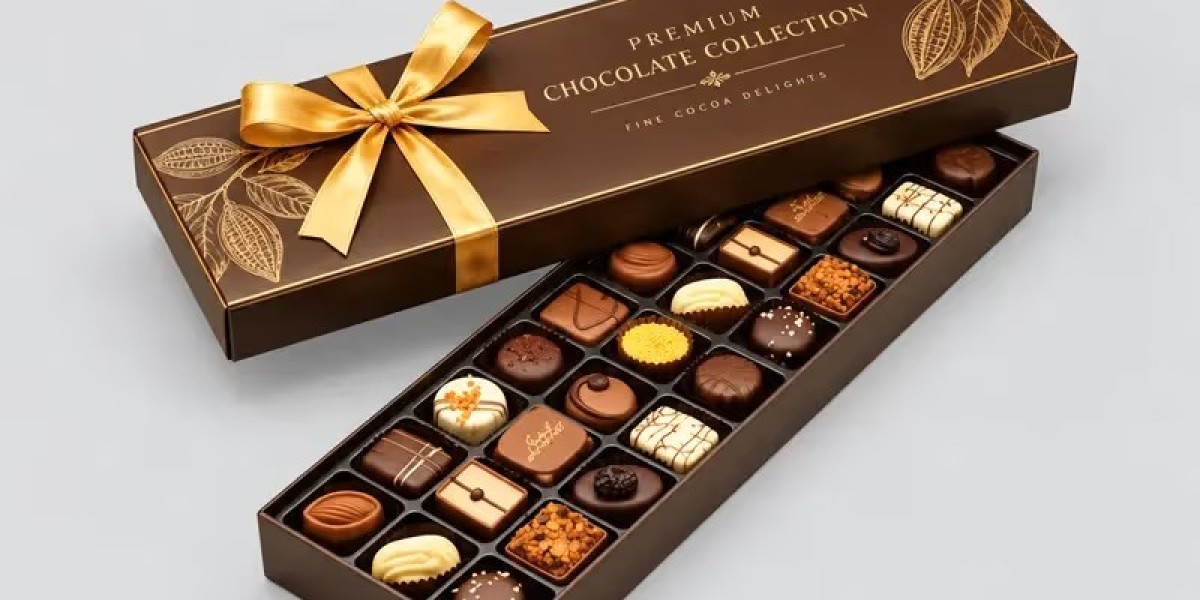

Chocolate packaging plays an important role in protecting products, maintaining their presentation, and creating a memorable customer experience. Whether a business sells handmade truffles, chocolate bars, assorted gift boxes, or premium confectionery, choosing the right packaging requires careful consideration of materials, structure, storage conditions, and branding. Effective custom chocolate packaging should protect delicate products while making them attractive to customers and convenient to transport, store, and display.
Businesses in the chocolate industry have different packaging requirements depending on their product types, sales channels, and target audiences. Small chocolatiers may need flexible quantities and affordable packaging, while established confectionery brands may prioritize premium finishes, consistent branding, and wholesale production. From simple chocolate boxes to luxury gift packaging, the right solution combines product protection, practical functionality, and visual appeal. Understanding the available materials, protective features, and customization options helps businesses select packaging that supports both product quality and brand identity.
1. Why Chocolate Packaging Matters
Chocolate is sensitive to temperature changes, moisture, odors, and handling. Poor packaging can affect its appearance, cause breakage, or contribute to quality problems during storage and transportation. Packaging therefore serves several purposes beyond simply containing a product.
First, it provides a protective barrier appropriate to the chocolate type and its storage conditions. Second, it helps maintain an organized presentation, particularly when packaging assorted chocolates or individually wrapped bars. Third, packaging provides space for product names, ingredients, allergen information, net weight, branding, and other relevant details.
Attractive packaging can also influence purchasing decisions. Customers buying chocolates as gifts may prefer elegant finishes, carefully arranged compartments, and personalized designs. Retail customers, meanwhile, often need packaging that clearly communicates the product's identity and makes it easy to recognize on shelves.
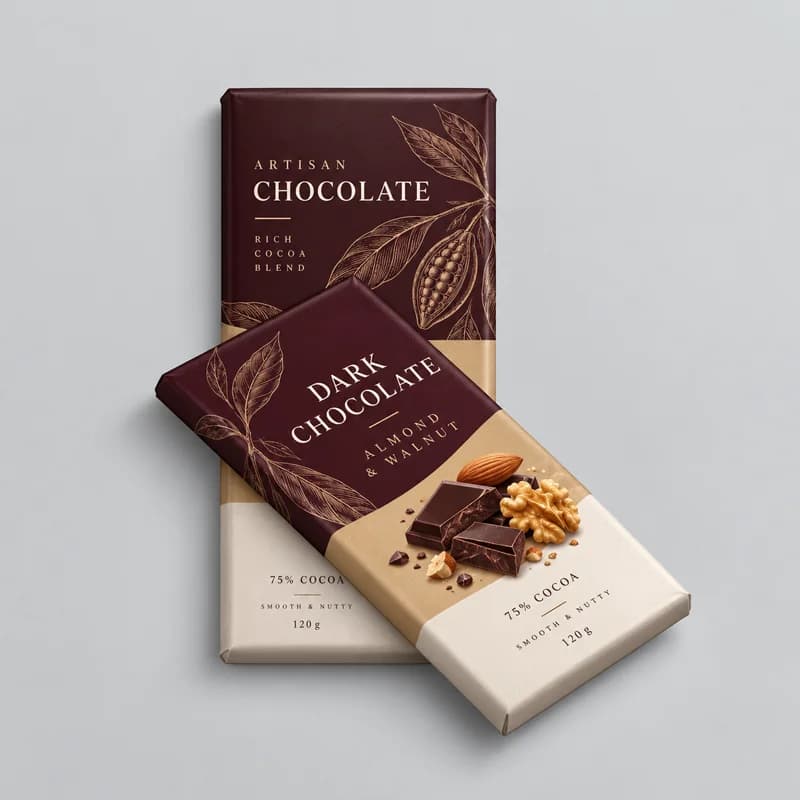
Businesses should consider these requirements together rather than focusing exclusively on appearance. A visually appealing box that cannot protect its contents during delivery may create unnecessary waste and customer dissatisfaction. A well-planned chocolate packaging solution balances presentation, protection, convenience, and cost.
2. Choosing Materials for Chocolate Packaging
Material selection is one of the most important decisions in chocolate packaging. The ideal material depends on the product's shape, weight, fat content, shelf-life requirements, distribution conditions, and presentation goals.
Paperboard and Cardboard
Paperboard is widely used for retail cartons, chocolate gift boxes, and branded packaging. It supports high-quality printing and can be converted into different structures and sizes. Cardboard and corrugated materials may also be suitable for shipping cartons, depending on the level of protection required.
For businesses seeking custom chocolate boxes, paperboard provides a useful combination of design flexibility and practical functionality. It can be printed with logos, product information, illustrations, and seasonal artwork.
Rigid Board
Rigid board is commonly used for premium confectionery packaging and gift sets. Its sturdy construction creates a substantial feel and supports sophisticated finishes such as foil stamping, embossing, and specialty paper wraps.
Premium custom chocolate boxes made with rigid board can be appropriate for corporate gifts, holiday collections, wedding favors, and high-end chocolate assortments. However, businesses should compare the added material and production costs against the intended selling price and customer expectations.
Food-Contact Wrappers and Barrier Materials
Chocolate may require an inner wrapper or liner in addition to its outer box. Suitable foil, paper, or food-contact film materials can help protect individual pieces from contamination, odors, and environmental exposure when properly selected.
The correct barrier depends on the chocolate formulation and intended storage conditions. Businesses should verify that all materials intended for direct food contact meet applicable food-safety requirements.
3. Chocolate Packaging Boxes and Structural Styles
The structure of a chocolate box affects how products fit, how customers open the package, and how well the contents remain organized. Selecting an appropriate style can also influence storage, assembly, shipping, and production costs.
Common options include:
Folding cartons: Suitable for chocolate bars, small assortments, and everyday retail products.
Rigid gift boxes: Appropriate for luxury chocolates, gift sets, and premium collections.
Sleeve boxes: Combine an inner tray or carton with an outer sleeve for a distinctive presentation.
Mailer boxes: Useful for selected direct-to-consumer chocolate orders when the complete shipping setup provides sufficient protection.
Compartment boxes: Help separate individual chocolates and maintain an organized arrangement.
Window boxes: Allow customers to see the chocolates, provided the window material and structure are appropriate for the product.
Businesses considering custom chocolate packaging boxes should evaluate the product dimensions, weight, number of pieces, and intended sales channel before choosing a structure. A compact carton may work well for a single chocolate bar, while assorted truffles may require a deeper box with individual compartments.
A packaging prototype can help confirm that the box opens correctly, holds the product securely, and delivers the intended customer experience.
4. Protective Inserts and Individual Wrappers
Protective inserts and individual wrappers are important for chocolates that are delicate, decorative, or arranged in assortments. They help prevent movement inside the box and can keep different chocolate varieties separated.
Common insert options include paperboard dividers, molded trays, and food-contact-compatible inserts designed around the product's shape. For example, a box containing assorted truffles may benefit from individual cavities, while chocolate bars may need a fitted tray or protective sleeve.
Individual wrappers serve a different purpose. Depending on their material and construction, they can help protect chocolates from environmental exposure, handling, and contact with other products. The appropriate wrapper should be selected according to the chocolate's characteristics and storage requirements.
When developing customized chocolate boxes, businesses should consider both the outer packaging and the internal arrangement. A sturdy exterior cannot compensate for poorly fitted inserts that allow chocolates to collide during transportation.
Before approving a design, test the complete package with the actual product. Check whether the chocolates remain in position when the box is tilted, moved, or handled under expected distribution conditions.
5. Custom Printing and Branding Options
Packaging design helps chocolate brands communicate their identity and distinguish their products from competing offerings. Custom Chocolate Packaging can incorporate logos, brand colors, illustrations, product descriptions, and seasonal themes to create a recognizable appearance.
Popular customization options include:
Full-color printing and brand-specific colors
Matte or gloss finishes
Foil stamping for selected decorative details
Embossing and debossing
Custom sleeves and labels
Printed interiors
Product windows and decorative patterns
Effective chocolate packaging designs should match the product's positioning. A handmade chocolate business may prefer natural colors and minimalist graphics, while a luxury chocolatier may choose elegant typography, premium papers, and metallic accents.
For seasonal collections, businesses can develop packaging around holidays, celebrations, weddings, and corporate gifting. A personalized chocolate box may include a customer's name, a special message, or event-specific artwork, depending on the production method.
However, branding should not compromise readability. Product information, ingredients, allergens, and other required details must remain clear and comply with applicable labeling rules. The strongest custom chocolate packaging designs combine visual appeal with accurate information and practical usability.
6. Chocolate Packaging for Shipping and Storage
Chocolate packaging must be designed for the conditions the product will encounter between manufacturing and consumption. Heat is particularly important because chocolate can soften or melt when exposed to unsuitable temperatures. Temperature fluctuations can also contribute to condensation and visible surface changes.
For shipping, businesses should consider the distance, season, transit duration, delivery method, and expected environmental conditions. Outer shipping cartons may need cushioning, fitted inserts, or suitable insulation when required. For temperature-sensitive products, validated shipping methods and temperature-control measures may be necessary.
The outer box should also fit the product and protective materials without leaving excessive space that allows movement. At the same time, packaging should not place unnecessary pressure on delicate chocolates.
Storage conditions matter as well. Chocolate should generally be stored according to the manufacturer's recommendations, with attention to temperature, humidity, odors, and direct sunlight.
Businesses selling online should test their complete packaging system before launching a product. A box that looks excellent in a retail display may require additional protection for parcel delivery. Proper testing helps identify weaknesses before they affect customer orders.
7. Sustainable Chocolate Packaging Materials
Sustainability is an increasingly important consideration for businesses selecting packaging. Paperboard cartons, responsibly sourced papers, and appropriately designed recyclable components may offer useful options, depending on the product and local recycling infrastructure.
However, not every paper-based package is automatically recyclable. Plastic windows, foil laminations, coatings, adhesives, and food contamination can affect how packaging is collected and processed.
Businesses should evaluate the entire package rather than considering only its outer box. They can ask suppliers about material composition, recognized certifications, recycled content, and disposal instructions.
Reducing unnecessary packaging can also help. Right-sized boxes and carefully designed inserts may reduce material use while still providing adequate protection. Nevertheless, removing too much protective material can increase product damage and waste.
For brands exploring premium custom chocolate packaging, sustainable material choices should be assessed alongside durability, printing quality, food-contact suitability, and the overall customer experience. Environmental claims should be specific and supported by reliable documentation.
8. Balancing Packaging Quality and Cost
Packaging costs depend on several factors, including dimensions, materials, order quantity, printing coverage, finishing techniques, inserts, and shipping requirements. Businesses should compare quotations using the same specifications to understand the actual value offered by each supplier.
For example, a simple folding carton may be economical for everyday chocolate bars, whereas a rigid gift box with custom inserts and foil stamping generally requires a larger investment. Neither option is automatically better; the right choice depends on the product's market position and budget.
Businesses purchasing wholesale chocolate boxes may benefit from quantity-based pricing, but larger orders also require storage space and a realistic demand forecast. Before committing to a bulk purchase, consider whether the design will remain suitable for future products and seasonal changes.
A blank chocolate box can be useful for testing packaging dimensions or applying suitable labels, while fully printed packaging may be better for brands that need consistent retail presentation. Businesses should compare both options based on production costs, customization requirements, and order volume.
For companies seeking custom chocolate boxes wholesale, request a detailed quotation that includes tooling or setup charges, sampling, finishing, minimum order quantity, production time, and delivery costs. This makes budgeting more accurate and reduces unexpected expenses.
9. Common Chocolate Packaging Mistakes
Businesses can avoid many packaging problems by addressing practical requirements before production begins. One common mistake is selecting a box based only on its appearance without checking whether it fits the chocolate properly. Poorly fitted packaging can allow products to move, break, or lose their intended presentation.
Another mistake is overlooking food-contact suitability. Materials, inks, coatings, and inner wrappers should be appropriate for their intended use. Businesses should also avoid assuming that a decorative outer box alone provides sufficient protection against moisture, odors, or temperature changes.
Other issues include choosing unnecessarily expensive finishes, ordering large quantities before testing a sample, overlooking shipping requirements, and failing to check printed product information. Working with experienced chocolate packaging suppliers can help businesses review these considerations before production.
If you are seeking chocolate bar packaging solutions for a small business, start with the product dimensions, desired quantity, budget, and intended sales channel. Request samples, compare specifications, and test the packaging with your actual products. These steps can help you select a practical solution without sacrificing product protection or brand presentation.
10. Frequently Asked Questions About Chocolate Packaging
What is the best packaging for chocolate?
The best packaging depends on the chocolate type, storage requirements, sales channel, and budget. Paperboard cartons, rigid boxes, food-contact wrappers, and protective inserts can all be suitable for different applications.
What is the best packaging for homemade chocolate gifts?
For homemade chocolate gifts, consider a gift box with food-safe inner packaging and suitable compartments. The box can be customized with decorative sleeves, ribbons, or printed designs to create a more personal presentation.
Can small businesses order custom chocolate packaging?
Yes. Small businesses can explore different suppliers and ask about minimum order quantities, sample availability, blank cartons, and short-run printing options. Available quantities and customization services vary by supplier.
What are premium custom chocolate boxes used for?Premium custom chocolate boxes are commonly used for luxury confectionery, corporate gifts, weddings, holiday collections, and special occasions where presentation is an important part of the product experience.
What should businesses look for in chocolate packaging suppliers?
Businesses should evaluate material quality, customization options, food-contact suitability, sample availability, pricing, minimum order quantities, production timelines, and delivery reliability.
Can chocolate boxes be ordered wholesale?
Yes. Custom chocolate boxes wholesale orders can be suitable for retailers, confectionery manufacturers, and growing chocolate brands. Comparing unit prices at different quantities can help businesses determine an economical order size.
Conclusion
Effective chocolate packaging combines protection, material selection, structural design, branding, and cost management. Whether you need chocolate bar packaging for everyday retail sales or premium custom chocolate packaging for gift collections, the right approach begins with understanding your product and customers.
HOF PACK offers customized packaging solutions, including custom boxes, mailer boxes, rigid boxes, and retail packaging. Businesses can explore its packaging options to find solutions aligned with their product dimensions, branding requirements, order quantities, and budget.





