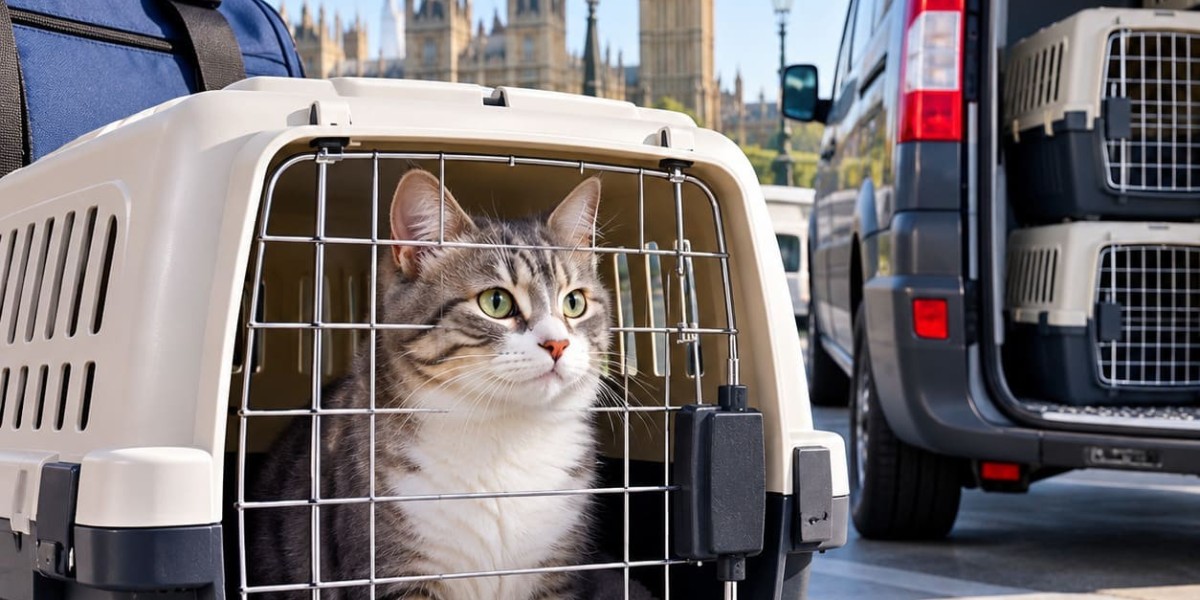

Moving a cat from one place to another can be a little stressful, especially when your pet isn't used to travelling. Cats love familiar surroundings, quiet spaces, and their usual routines. A long car journey, a house move, or an unfamiliar vehicle can make them feel uneasy. That's why choosing the right cat transport service matters.
Whether you need to take your cat to a new home, arrange a veterinary visit, or travel from the UK to Europe, professional cat transportation can make the process easier. With suitable travel arrangements and careful handling, you can help your cat reach its destination safely and comfortably.
Get a Professional Cat Transport Service for Your Pet
Cats don't always enjoy being away from home. Some settle into their carriers quite quickly, while others become nervous as soon as they notice that something is different. A professional cat transport service helps you plan the journey around your pet's needs.
Depending on the provider, services may include local cat taxi journeys, long-distance transfers, home collection, and international pet transportation. These options can be useful if you're moving house, relocating abroad, or simply need help getting your cat to another address.
Before booking, explain your cat's age, temperament, size, and any special requirements. If your pet is particularly anxious or has a medical condition, discuss the journey with your vet and let the transport provider know in advance.
The goal is simple: choose a service that takes your cat's comfort seriously rather than treating the journey as an ordinary delivery.
Get a Convenient Cat Taxi for Local Journeys
Need to take your cat to the vet, a cattery, or another home? A cat taxi can be a practical option when you don't have access to a suitable vehicle or would rather leave the driving to someone else.
A dedicated pet taxi service may offer collection from your doorstep and delivery to your chosen destination. This can save time, particularly if you're juggling work, family responsibilities, or other travel arrangements.
When booking a cat taxi, ask whether the vehicle can accommodate your cat's carrier securely. Your cat should remain inside a suitable, closed carrier during the journey to reduce the risk of escape or injury.
It's also worth confirming the collection time, expected journey duration, and any additional charges. If you have more than one cat, check whether both animals can travel together and whether separate carriers are required.
A little preparation beforehand can make the trip much easier for you and your pet.
Get Safe Cat Transportation for Long-Distance Travel
Long-distance cat transportation requires more planning than a short trip around town. Your cat may spend several hours away from home, so the travel arrangements need to account for ventilation, temperature, security, and suitable breaks.
Before choosing a provider, ask how the journey will be organised. Will your cat travel in a dedicated vehicle? How will the driver manage delays? What arrangements are available for longer journeys?
A suitable cat carrier should be sturdy, well-ventilated, and large enough for your cat to stand, turn around, and lie down comfortably. The carrier should also be secured properly inside the vehicle so it doesn't slide or tip during travel.
For longer trips, discuss access to water, feeding arrangements, and opportunities to meet your cat's needs safely. Cats can be escape-prone in unfamiliar places, so any breaks must be carefully managed.
If your cat struggles with motion sickness or becomes extremely distressed during travel, ask your veterinarian for advice before setting off. The right preparation can help you avoid unnecessary problems along the way.
Get a Cat Transport Service From the UK to Europe
Planning to move your cat from the UK to Europe? International pet transportation involves more than arranging a vehicle and choosing a departure date. You'll also need to check the travel rules for your destination and make sure the necessary documents are in order.
Depending on the route, your cat may need a microchip, a valid rabies vaccination, and appropriate pet travel documentation. For many cats travelling from Great Britain to an EU country, an Animal Health Certificate is required. The exact requirements depend on the destination and circumstances, so check current official guidance and speak to an authorised veterinarian before booking.
You should also consider how your cat will cross the Channel. Ferry and Channel Tunnel arrangements can differ, so confirm the relevant pet travel procedures with the operator and your transport provider.
A company experienced in international cat transportation may help coordinate collection, route planning, and travel schedules. However, always ask which services are included in the price and whether documentation assistance is available.
Uk and Europe Pet Taxi is an option to explore when researching pet transport between the UK and European destinations. Before making a booking, confirm the company's routes, experience, travel arrangements, and the support available for your cat throughout the journey.
Get the Right Cat Carrier and Travel Equipment
What does your cat need for a comfortable journey? The carrier is one of the most important things to consider.
Choose a sturdy carrier with good ventilation and a secure door. It should give your cat enough room to sit, stand, turn around, and lie down without feeling cramped. A familiar blanket or bedding can also help make the carrier feel less unfamiliar.
Useful cat travel products include:
Hard-sided cat carriers: A practical choice for secure everyday travel and longer road journeys.
Absorbent carrier liners: Helpful for managing small accidents during transport.
Familiar blankets: These can provide a comforting scent from home.
Travel water bowls: Useful when water needs to be offered during a longer journey.
Identification tags: An additional way to provide contact details alongside your cat's microchip information.
Introduce your cat to the carrier before the travel date if possible. Leaving it open at home with familiar bedding can help your pet become more comfortable with it.
Avoid opening the carrier in unsecured areas, as frightened cats can escape quickly. Keep your cat safely contained whenever the journey is underway.
Get Affordable Cat Transportation Prices
How much does a cat transport service cost? The price depends on several factors, including the distance, journey duration, collection location, destination, and type of transport required.
A short local cat taxi journey will generally involve different costs from a long-distance transfer or international relocation. Additional charges may apply for waiting time, extra stops, ferry crossings, or specialist arrangements.
The best way to understand the cost is to request a personalised quote. Provide the collection and delivery addresses, your preferred travel date, and the number of cats travelling.
When comparing prices, check exactly what's included. A cheaper quote may not cover every part of the journey, while another provider may include door-to-door collection and additional travel support.
Price matters, of course, but it shouldn't be the only deciding factor. Look for clear communication, suitable transport arrangements, relevant insurance, and a provider that understands the needs of cats.
Get Your Cat Ready Before the Transport Date
A calm journey starts with good preparation. Try to keep your cat's routine as normal as possible in the days leading up to travel, and avoid leaving carrier training until the last minute.
Before departure, confirm the booking details and make sure the provider has your correct contact information. Keep any required travel documents ready, along with details of your cat's microchip, vaccinations, and medical needs.
Ask your vet about feeding before the journey, particularly if your cat experiences motion sickness. If your pet needs medication or has a health condition, follow your veterinarian's advice rather than making changes yourself.
On moving day, keep your cat in a secure, quiet room while other activities are taking place. This helps prevent accidental escapes when doors are opening and closing.
Once your cat reaches its destination, give it time to settle. A quiet room with familiar bedding, food, water, and a litter tray can help it adjust to the new surroundings at its own pace.
Get Peace of Mind With the Right Cat Transport Service
Choosing a cat transport service is about finding the right balance between convenience, safety, and care. Whether your cat needs a short local transfer or an international journey, thoughtful planning can make the experience much less complicated.
Take time to check the provider's experience, travel arrangements, insurance, and customer feedback. Ask questions about the vehicle, carrier security, journey duration, and any special requirements your cat may have.
With the right carrier, clear communication, and a suitable transport provider, you can plan your cat's journey with greater confidence. After all, your cat is part of the family, and its comfort deserves attention from the moment it leaves home until it safely reaches its destination. Read more: Pet Taxi