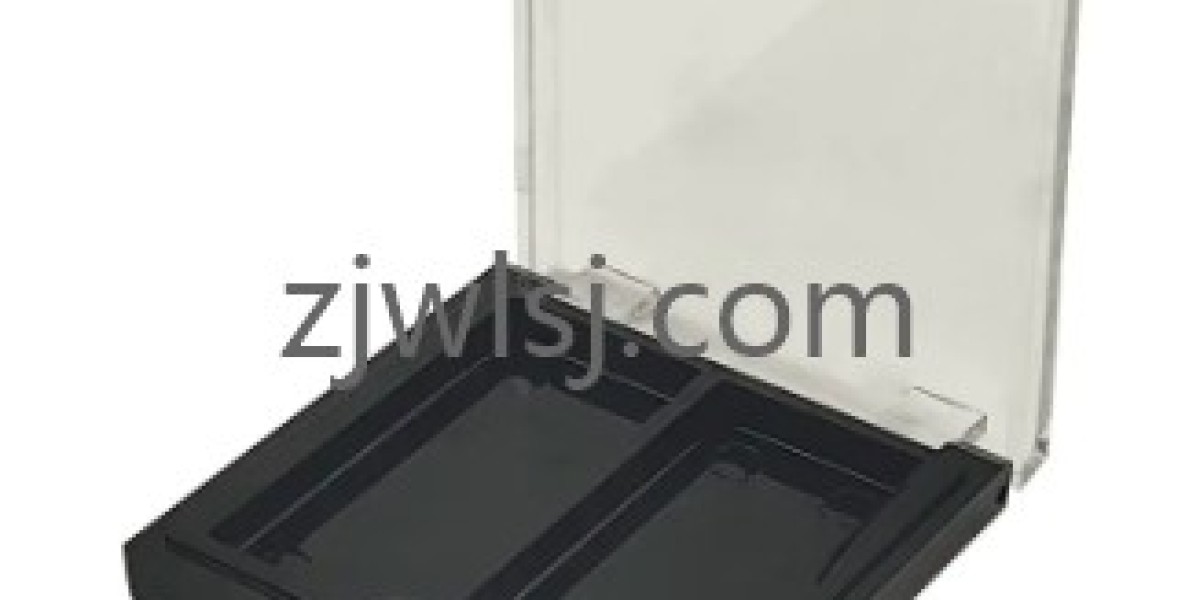

Eye makeup products often express a distinctive style through color combinations, textures, and carefully coordinated packaging. For beauty brands developing Sultry Eyeshadow collections, the packaging should complement deeper shades, smoky tones, and sophisticated visual themes while remaining practical for everyday use. Material selection, internal structure, surface decoration, and manufacturing consistency all influence how the finished product is presented and handled. A coordinated approach helps brands develop packaging that supports their product identity without sacrificing functionality.
Material selection is one of the first considerations during packaging development. Plastic is widely used for cosmetic cases because it supports a variety of shapes, colors, and decorative treatments. Depending on the product concept, manufacturers can explore smooth surfaces, contrasting finishes, or more distinctive exterior profiles. Buyers should consider structural requirements, expected handling conditions, and compatibility with the intended finishing process. Evaluating material samples helps confirm whether the selected option delivers the desired appearance and practical performance.
Internal construction is equally important. A palette may contain several coordinated shades, so its compartments should keep the makeup pans properly positioned and make individual colors easy to access. The layout should support convenient application while maintaining an organized appearance. Some packaging designs include a mirror or applicator, while others focus on a simple and compact structure. Any additional components should fit securely without interfering with the closure. Testing an assembled sample can reveal potential usability issues before production begins.
Exterior design communicates the character of a collection. Deep colors, subtle metallic effects, contrasting details, and restrained graphics can each contribute to a particular brand image. The most effective design choices depend on the target audience and overall product positioning. Logo placement and product information should remain clear, even when decorative elements are prominent. Buyers should review physical samples to evaluate color accuracy, surface texture, and the relationship between the exterior package and the makeup shades it contains.
Surface finishing requires coordination between material selection and manufacturing technology. Printing, coating, and other decorative processes may require specific preparation and controlled application. Inconsistent finishing can lead to uneven color, misplaced graphics, or visible surface defects. Manufacturers should establish appropriate procedures for each stage and inspect components before assembly. A reference sample approved by the buyer provides a useful standard for evaluating the appearance and consistency of subsequent production batches.
Manufacturing quality also depends on tooling, processing conditions, and component assembly. Plastic molding can produce repeatable shapes, but variations in material flow or cooling may affect surface appearance and component fit. Assembly procedures need to ensure that the lid, base, and internal parts work together correctly. Routine inspection can identify visible defects and functional problems before the products are packed. Buyers should agree on quality expectations and inspection requirements before confirming a production order.
Packaging must also withstand storage and distribution. Products may pass through warehouses, fulfillment centers, retail environments, and international shipping networks before reaching consumers. Suitable protective packing helps reduce the risk of scratches and damage during handling. Purchasing teams should discuss carton arrangements, packing methods, labeling, and delivery schedules with their suppliers. These details are particularly important when packaging production needs to align with filling operations, promotional campaigns, or seasonal product launches.
When sourcing Sultry Eyeshadow, beauty businesses should evaluate customization options alongside production reliability and practical usability. Color matching, logo printing, and distinctive finishes can help differentiate a collection, but each option should be assessed for manufacturing feasibility. Pre-production samples allow buyers to review appearance, component fit, and closure performance before approving larger quantities. Documenting the approved design also makes it easier to maintain consistency when additional shades or future editions are introduced.
Sustainability can be considered during packaging development by examining material efficiency, unnecessary components, and options compatible with recycling systems in the target market. Any changes should preserve product protection and normal usability. Buyers should request accurate material information from suppliers and avoid unsupported environmental claims. A practical assessment balances packaging performance, manufacturing requirements, material use, and local disposal conditions.
Successful cosmetic packaging combines a distinctive visual concept with suitable materials, functional construction, and consistent production control. By defining requirements early and reviewing samples carefully, brands can improve development coordination and maintain a coherent product presentation. Zhejiang Weili Plastic Co., Ltd. provides cosmetic packaging options for businesses developing beauty collections. To review available packaging examples and discuss potential customization requirements, visit https://www.zjwlsj.com/product/eye-shadow-palette/shadow-palette-1-grid/.