
Linear motion systems are essential to industrial machinery that requires controlled movement along a defined path. A Rack And Pinion Linear Slide combines a rack and pinion transmission mechanism with suitable linear guidance components to convert rotary input into straight-line movement. This configuration is widely used in CNC machining centers, laser cutting machines, robotic handling systems, gantry equipment, and automated production lines. Its performance depends on the interaction between the transmission components, guide rails, mounting structure, and drive control system.
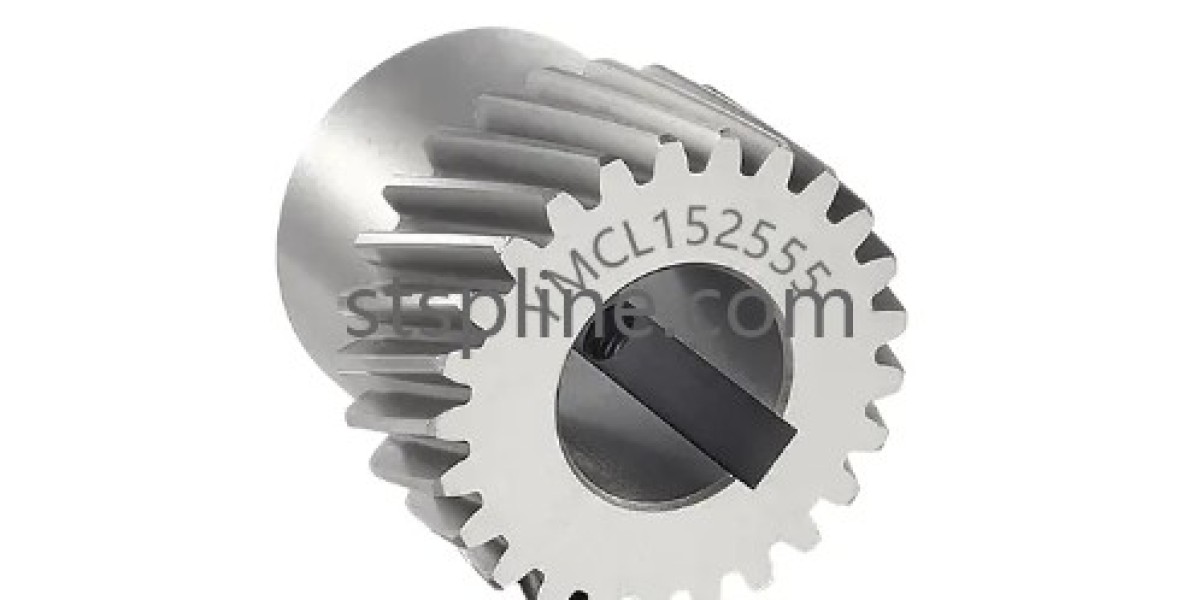
The rack and pinion mechanism determines how rotary power is transferred into linear travel. As the pinion rotates, its teeth engage with the rack teeth, moving the connected carriage or machine assembly. Linear guide rails and bearing blocks support the moving structure and help control its direction. Separating the transmission function from the guiding function allows engineers to select components according to the required load, travel distance, positioning accuracy, and installation layout.
Material selection influences the durability and operating characteristics of the transmission system. Carbon steel is commonly used for industrial racks because of its strength, machinability, and cost efficiency. Alloy steel may be selected for applications involving higher loads or more demanding wear conditions. Heat treatment or surface hardening can improve tooth surface resistance when required. Guide rails and sliding components also need appropriate material properties to support the intended load and operating environment. Selection should consider motion frequency, lubrication, contamination, and expected service conditions.
Tooth geometry and machining accuracy affect the consistency of linear movement. Important characteristics include module, pressure angle, tooth profile, pitch accuracy, and dimensional tolerances. The rack and pinion must be compatible to maintain consistent engagement throughout the working stroke. Excessive backlash, uneven tooth contact, or inaccurate mounting can introduce positioning variation, vibration, and unnecessary wear. For applications requiring repeatable movement, engineers should also evaluate guide rail parallelism, carriage stiffness, bearing arrangement, and the rigidity of the supporting machine frame.
Manufacturing quality helps ensure that the components fit the intended slide assembly. Production processes may include material cutting, gear cutting, milling, heat treatment, grinding, and dimensional inspection. Guide rails and mounting interfaces may require additional machining to achieve suitable alignment and fit. For long-travel equipment, overall straightness and the consistency of rack section connections deserve particular attention. When several rack segments are installed in sequence, careful alignment helps maintain smooth pinion engagement across the full travel distance.
These motion systems serve a wide range of industrial applications. CNC machines use linear slides to position worktables, cutting tools, and other moving assemblies. Laser cutting equipment requires controlled travel to follow programmed paths, while robotic gantry systems move tools and workpieces between stations. Packaging machinery, automated assembly lines, and material handling equipment may use similar mechanisms where repeatable movement and flexible travel lengths are required. Each application presents different requirements for load capacity, speed, acceleration, accuracy, and available installation space.
Installation practices have a significant effect on movement quality. The slide structure should be mounted on a stable, properly prepared base. Guide rails need to be aligned according to the equipment design, while the rack must be positioned to maintain suitable engagement with the pinion. Fasteners should be secured consistently, and the assembly should be checked throughout its travel range for binding or uneven resistance. Appropriate lubrication helps reduce friction at gear contact surfaces and other specified moving interfaces.
Maintenance procedures should reflect the operating environment and usage frequency. Periodic inspection can cover tooth wear, backlash, fastener security, guide rail contamination, lubrication condition, and unusual noise. Protective covers can reduce exposure to metal chips, dust, and moisture in demanding manufacturing environments. Addressing alignment changes or lubrication problems early can help prevent unnecessary downtime and maintain consistent machine operation.
When evaluating a Rack And Pinion Linear Slide solution, equipment manufacturers should consider transmission compatibility, guide rail configuration, machining quality, installation requirements, and customization support. SOTER supplies precision rack and pinion products for CNC machinery and industrial automation systems. Explore available straight-tooth rack options at https://www.stspline.com/product/straight-teeth-rack/ to assess their suitability for your linear motion design.