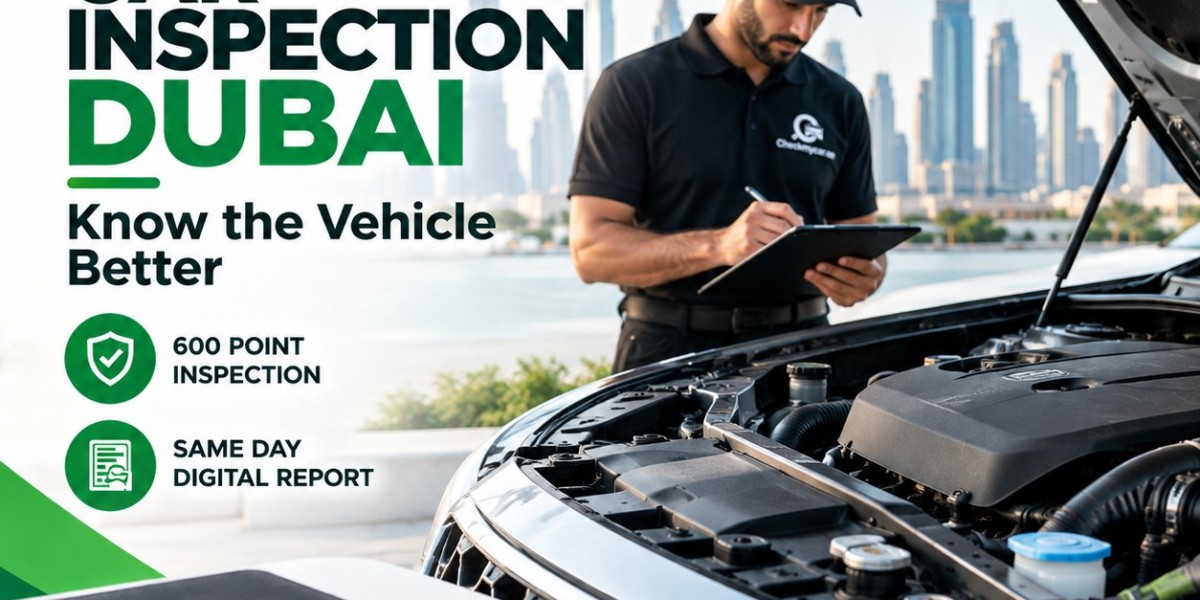

Buying a used car in Dubai requires more than checking its mileage, price and engine performance. The exterior condition can reveal important details about the vehicle's history, including possible accidents, previous repairs and neglected maintenance. A car may look polished and attractive at first glance, but paintwork, panel gaps and signs of structural damage can tell a different story. Arranging a professional Car Inspection in Dubai can help buyers identify potential concerns and understand the vehicle's condition before making a purchase.
The bodywork of a vehicle does more than create its appearance. Structural components are designed to help protect occupants, while properly fitted panels and sealed openings help prevent water and dust from entering the cabin. Previous damage that has not been repaired correctly may affect safety, comfort and the vehicle's future value. Therefore, examining the exterior carefully is an important step when evaluating a used car.
Start by viewing the vehicle in good lighting. Walk around the car and look at the paintwork from different angles. Differences in colour, texture or gloss between neighbouring panels may indicate that a section has been repainted. Repainting is not automatically a problem because vehicles can receive cosmetic repairs for scratches, minor dents or ordinary wear. However, unexplained differences should be discussed with the seller, particularly if the car is advertised as having its original paintwork.
Pay attention to the alignment of doors, the bonnet, the boot lid and the surrounding panels. These parts should generally fit evenly and open or close without unusual resistance. Large gaps, uneven edges or doors that do not close properly may indicate previous repairs, worn hinges or other problems. Such signs do not establish the cause on their own, but they can help identify areas that need closer examination.
Small dents and scratches are common on used vehicles, especially those regularly driven and parked in busy urban areas. The important consideration is whether the damage is cosmetic or connected to a more significant issue. Minor surface scratches may require little attention, while deeper damage can expose metal to corrosion or conceal previous body repairs. Ask whether any visible damage has been repaired and request supporting documentation if the seller has it.
A professional Car Inspection in Dubai can help assess body panels and identify signs that may require further investigation. Depending on the inspection scope, the assessment may include paint condition, visible repairs, panel alignment and accessible structural areas. This additional information can be useful when comparing vehicles with similar prices and specifications.
The underside of a car should not be overlooked. Depending on the vehicle's design and inspection access, a qualified inspector may examine accessible areas for damage, corrosion, leaks or signs of previous repairs. Scrapes beneath the vehicle may result from ordinary driving conditions, but significant damage to important components deserves attention. Buyers should avoid crawling underneath a vehicle that is not properly supported and should leave detailed underbody checks to trained professionals with suitable equipment.
Windows and lights can also provide useful clues about the vehicle's condition. Inspect the windscreen and other glass for cracks, chips and significant scratches. Check headlights and rear lights for damaged lenses, moisture or loose fittings. Ask whether any glass or lighting components have been replaced and whether the work was carried out properly. A replacement component is not necessarily a concern, but its condition and installation should be checked.
Open the doors, bonnet and boot to examine accessible edges and surrounding areas. Look for irregular paint marks, rough repairs, damaged seals or unusual signs of corrosion. Check whether the doors close securely and whether the boot opens and shuts correctly. If the vehicle has a sunroof, inspect its operation and look for signs of water entering the cabin. Any unexplained moisture or persistent damp smell should be investigated because it may have several possible causes.
The interior can help you understand whether the vehicle has been cared for consistently. Examine the carpets, headliner, door trims and boot lining for stains, damaged materials or signs of previous water entry. Check that seat belts operate correctly and that the seats are securely fitted. While interior wear does not prove that a car has been in an accident, it can provide useful context when considered alongside the exterior and maintenance records.
Ask the seller directly about previous accidents, insurance repairs and replacement body panels. Request any available invoices, repair records or previous inspection reports. A clear explanation supported by documents is more useful than relying solely on the vehicle's appearance. Missing records do not automatically indicate wrongdoing, but they can make it harder to establish what work has been carried out.
If you notice signs of previous repairs, consider their location and apparent quality rather than automatically rejecting the vehicle. Cosmetic repairs can be reasonable when completed properly. Damage involving structural components, however, may require more detailed professional assessment. The aim is to understand the nature of the repair, whether it appears satisfactory and whether further work may be required.
A test drive can complement the exterior examination. Pay attention to steering response, unusual vibrations, wind noise and whether doors or windows seem to seal properly. If the vehicle pulls to one side or behaves unexpectedly, the cause could involve alignment, tyres, suspension or other mechanical components. These symptoms cannot reliably be attributed to body damage without further assessment, so they should be investigated rather than ignored.
It is also important to consider how body condition affects the vehicle's overall value. A car with minor cosmetic imperfections may still be a suitable purchase if its mechanical condition is good and the price reflects its condition. A vehicle with unexplained repairs or possible structural damage requires more caution. Before negotiating, understand the likely repair costs and determine whether the findings affect your willingness to buy the car.
An independent inspection provides an additional level of confidence because it combines the exterior assessment with checks of other important systems. A Car Inspection in Dubai can help buyers evaluate the vehicle's bodywork alongside its mechanical condition, electrical systems and other areas covered by the chosen inspection package. No inspection can guarantee that every hidden defect will be detected, but a thorough assessment can help uncover concerns that are difficult to identify during a quick viewing.
Before completing your purchase, review the inspection findings, ask questions about any reported issues and request repair estimates where necessary. If the seller cannot explain significant damage or refuses a reasonable independent assessment, consider whether another vehicle offers a clearer history and better value.
Choosing a used car should involve more than judging its appearance. Careful examination of paintwork, panel alignment, glass, doors, seals and accessible structural areas can help you recognise potential warning signs before committing to a purchase. CheckMyCar.ae provides vehicle inspection services to help buyers assess used cars before purchase. Arranging a Car Inspection in Dubai can help you understand the vehicle's condition, investigate potential concerns and make a better-informed decision.