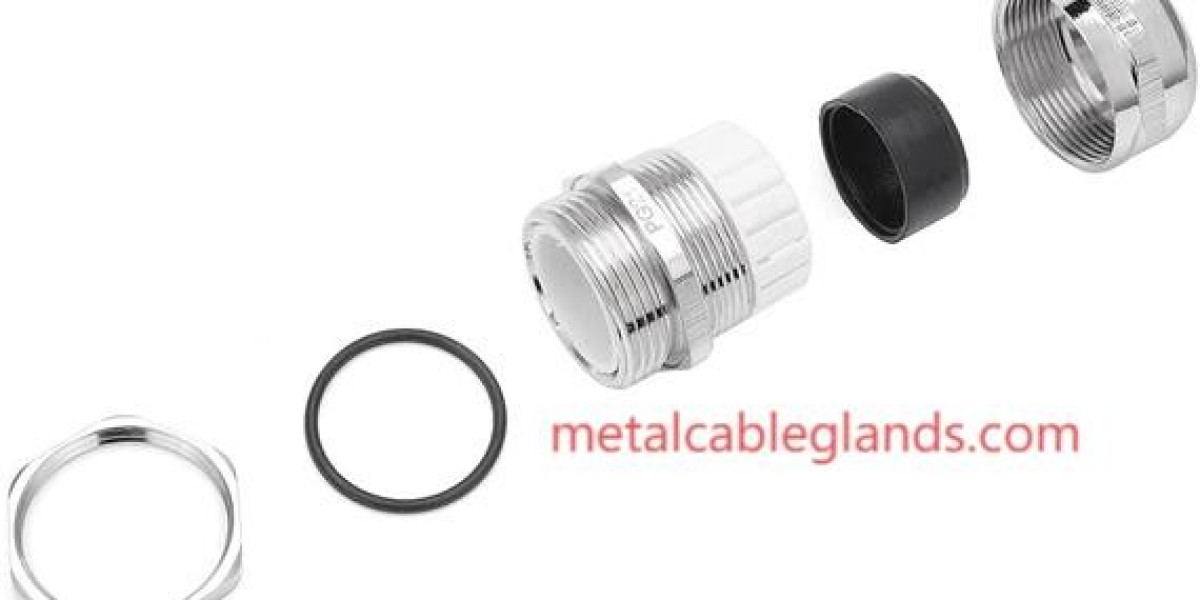

In electrical enclosure design, a Cable Gland Reducer helps accommodate differences between an enclosure entry and a cable gland thread, making component selection more flexible. Choosing a suitable Cable Gland Reducer can help equipment manufacturers, panel builders, and maintenance teams adapt existing connection points without unnecessary structural modifications. From industrial control cabinets to automated production equipment, reducers offer a practical way to address thread-size differences while keeping installation requirements in view. Understanding dimensions, materials, and environmental conditions helps buyers choose components that suit their applications.
Managing Different Thread Sizes Efficiently
Electrical equipment often combines enclosures, cable glands, and accessories sourced from different suppliers. As a result, the thread size required by an enclosure may not match the connection available on a selected gland. A reducer can provide a compatible transition between specified thread sizes, helping installers work with a wider range of components.
Correct identification is essential before ordering. Buyers should confirm the thread type, nominal diameter, pitch, and connection arrangement on both sides. Metric and imperial threads can appear similar but may not be interchangeable. Relying on visual estimates alone can lead to assembly difficulties or unsuitable connections.
For equipment upgrades, reducers may help retain an existing enclosure while accommodating a different gland specification. This can be useful when replacement components have changed or when production teams need to integrate accessories into established designs. The selected part must still meet the mechanical and environmental requirements of the complete installation.
Evaluating Materials and Construction Quality
Material selection should reflect the operating environment and the components being connected. Brass, stainless steel, and other suitable materials may be considered according to corrosion exposure, mechanical demands, temperature conditions, and project specifications. No single material is appropriate for every installation.
In humid production areas or outdoor equipment, corrosion resistance may be a priority. In other applications, mechanical strength, weight, or compatibility with the enclosure material may influence the decision. Buyers should also consider whether the reducer's finish is suitable for the surrounding environment and intended maintenance practices.
Construction quality matters because thread accuracy affects assembly. Well-controlled dimensions help the reducer engage properly with compatible components, while a suitable surface finish supports handling and installation. For larger orders, requesting drawings, material details, or samples can help purchasing teams verify that the product matches the required specification before committing to production quantities.
Checking Installation and Protection Requirements
A reducer is only one part of a cable entry arrangement. Its suitability depends on the gland, enclosure, cable, seals, and installation method used with it. Even when the threads match, the complete assembly must be checked to ensure that the connection performs as intended.
If the equipment requires a particular ingress protection rating, purchasers should verify that the assembled system meets the relevant requirements. A reducer alone does not automatically guarantee protection against dust or water. Correct sealing components, proper installation, and compliance with product instructions all contribute to the final result.
Installers should avoid forcing threads that do not engage smoothly. Before assembly, they should check for damage, contamination, and dimensional inconsistencies. Adequate clearance around the fitting also helps simplify installation and future maintenance. These practical checks can reduce rework and support more consistent assembly procedures.
MetalCableGlands: Making Product Selection More Accurate
For industrial buyers, an efficient sourcing process begins with a clear description of the required connection. Providing thread specifications, material preferences, operating conditions, and expected order quantities helps suppliers assess the application more accurately. Drawings or photographs of the existing components can provide additional context when the original specifications are incomplete.
When evaluating options from MetalCableGlands, purchasers can compare the available configurations against their enclosure and cable gland requirements. Keeping product information organized by equipment model can also simplify repeat purchasing and inventory management, especially for distributors serving customers with different installation standards.
For projects involving multiple thread combinations, a specification checklist can help prevent ordering errors. Confirming dimensions and intended use before shipment gives technical and purchasing teams a shared reference for inspection and installation.
Supporting Long-Term Equipment Maintenance
Reducers can be useful during equipment upgrades, replacement work, and routine maintenance when connection sizes need to be adapted. However, selecting a suitable part requires more than finding a reducer with a smaller opening. Thread compatibility, material suitability, available space, and the requirements of the complete cable entry system should all be considered.
Maintenance teams can benefit from recording the exact reducer specification used on each machine or enclosure. Such records make it easier to identify replacement parts, reduce uncertainty during repairs, and maintain consistency across similar equipment. Periodic inspection may be appropriate in environments exposed to vibration, moisture, or other demanding conditions.
With accurate specifications and careful installation planning, a suitable reducer can help simplify electrical connection design and component sourcing. To review available cable connection accessories and product information, visit https://www.metalcableglands.com/ .