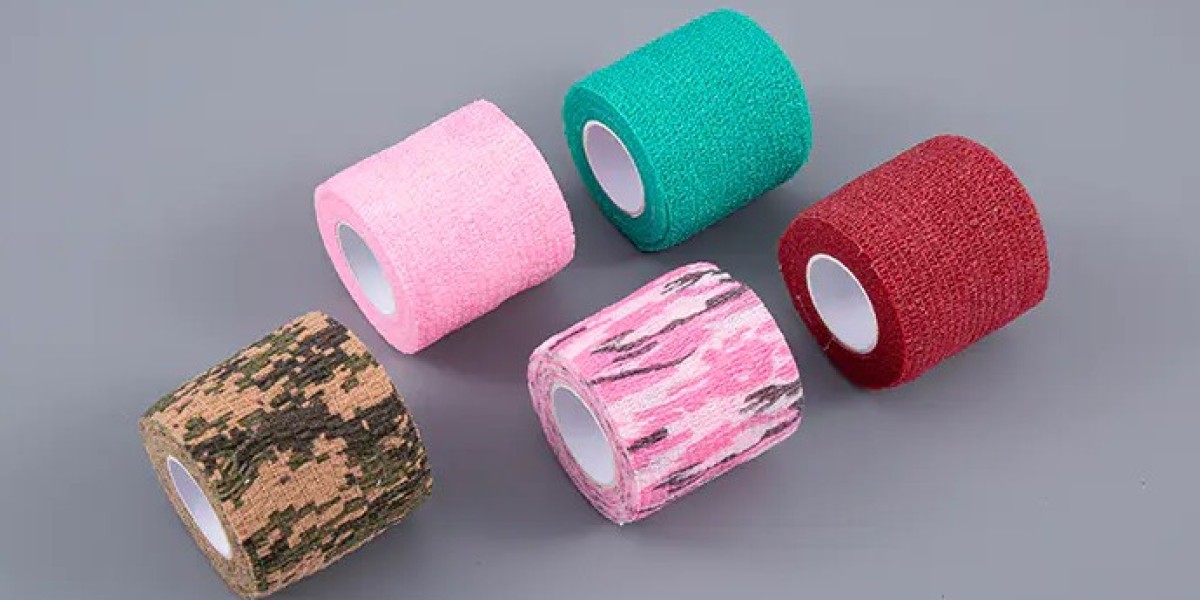

Reliable wound care begins with suitable dressing materials, consistent manufacturing practices, and careful product selection. A professional Bandage Manufacturer helps healthcare suppliers source products for different wound management and medical care requirements. When evaluating a Bandage Manufacturer, buyers should consider material quality, product consistency, packaging specifications, and supply capabilities. These factors influence purchasing decisions for distributors, medical institutions, and healthcare product wholesalers. Understanding the manufacturing process and intended applications also helps buyers identify suitable bandage options, coordinate procurement more effectively, and maintain dependable product availability for their customers.
Selecting Materials for Different Medical Applications
Bandages serve different purposes depending on their construction, flexibility, absorbency, and intended use. Some products help secure wound dressings, while others provide support or assist with the management of minor injuries. Material selection should therefore reflect the specific needs of the intended application.
Healthcare buyers may compare woven and nonwoven materials, elasticity, softness, tensile strength, and compatibility with other dressing products. Skin contact requirements and the expected duration of use should also be considered when evaluating product specifications.
Clear product documentation allows distributors to communicate accurate information to their customers. By identifying the required material properties before ordering, purchasing teams can narrow their options and avoid selecting products that do not match their intended use.
Maintaining Consistent Manufacturing Quality
Manufacturing consistency is essential for medical consumables because buyers need products that meet agreed specifications across different orders. Differences in material dimensions, elasticity, construction, or packaging can complicate inventory management and affect the user experience.
A structured quality management process can include incoming material inspection, production checks, finished product evaluation, and packaging verification. Appropriate procedures help identify potential defects before products enter the distribution process.
Buyers should review relevant quality documentation and confirm which product specifications can be supplied. Depending on the product and target market, applicable regulatory requirements, labeling rules, and testing expectations may also need to be verified.
Consistent quality practices support clearer communication between manufacturers, distributors, and healthcare procurement teams while helping businesses manage product acceptance requirements.
Packaging, Labeling, and Supply Planning
Packaging is an important part of medical consumable procurement because it protects products during transportation, storage, and distribution. Buyers should confirm package quantities, labeling details, carton specifications, and any individual wrapping requirements before production begins.
For products supplied as sterile, packaging integrity and applicable sterilization requirements need particular attention. Buyers should verify that the selected product meets the requirements of its intended market and that relevant documentation is available. Clear batch identification can also help distributors organize inventory and trace products when necessary.
Supply planning matters as well. Forecasting demand, confirming order quantities, and discussing lead times in advance can help wholesalers maintain stock availability. For customized orders, approved samples and written specifications provide useful references for repeat purchases.
SZ Texnet: Building a Practical Supplier Partnership
When evaluating SZ Texnet as a potential sourcing partner, medical distributors should consider product selection, communication, order flexibility, and documentation support. Providing clear purchasing requirements helps establish whether a proposed product matches the buyer's intended application.
Before confirming an order, buyers can request information about available materials, sizes, packaging options, quality procedures, and applicable compliance documentation. For private-label projects, artwork approval and packaging specifications should be agreed upon before bulk production.
A well-organized purchasing process can reduce misunderstandings and make repeat ordering more straightforward. By balancing product requirements with realistic delivery expectations, distributors can develop a more manageable sourcing strategy for their wound care product portfolios.For more information about bandage products and sourcing options, visit https://www.sztexnet.com/ to explore available solutions for your business.




