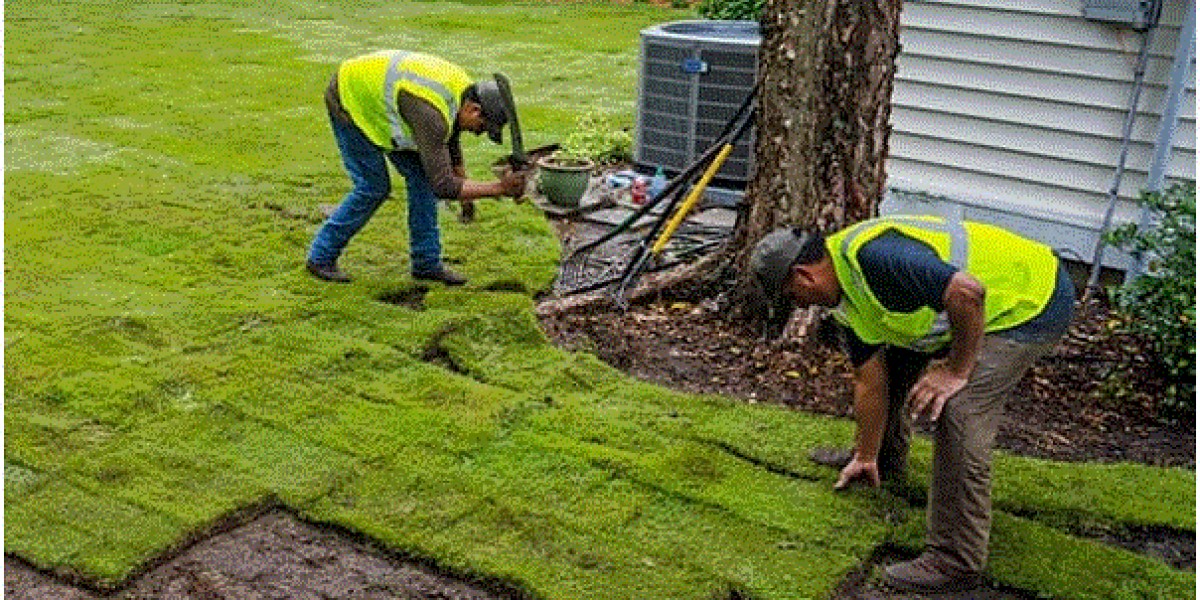

A thick, green lawn can significantly improve the appearance of a property while creating a comfortable outdoor space for relaxation, recreation, and family activities. However, growing a healthy lawn from seed can require considerable time, consistent watering, and patience before the grass becomes fully established. Sod offers a practical alternative by providing mature grass that can transform a prepared area into an attractive lawn much more quickly. With professional Sod Installation Mansfield TX, homeowners can improve their property's curb appeal and establish a lawn that complements their landscaping and outdoor living areas.
In Mansfield, Texas, successful sod installation requires careful consideration of grass varieties, soil conditions, drainage, and seasonal weather. Hot summers, changing rainfall patterns, and varying soil characteristics can influence how well new grass establishes itself. Simply placing sod over existing ground is not enough to guarantee a healthy lawn. Proper preparation, accurate installation, and consistent aftercare are essential for encouraging roots to grow into the underlying soil. Understanding each stage of the process helps homeowners make informed decisions and protect their investment in a beautiful outdoor space.
Understanding the Benefits of Installing Sod
One of the main advantages of sod is that it provides an immediate improvement in lawn appearance. Instead of waiting for grass seed to germinate and gradually fill in bare areas, homeowners can enjoy a more uniform green surface soon after installation. This makes sod particularly appealing for newly constructed homes, landscape renovations, and properties where an existing lawn has deteriorated significantly.
Sod can also help reduce the period during which soil remains exposed, which may limit erosion when the installation is properly managed. Its established grass coverage can make a property look more finished and provide a foundation for other landscaping improvements. However, sod is not maintenance-free. The grass must develop a strong connection with the underlying soil before it can tolerate regular foot traffic and normal lawn use. Appropriate watering, mowing, and ongoing care are important for helping the new lawn establish successfully.
Choosing the Right Grass Variety for Mansfield
Selecting the right grass variety is an important decision because different grasses respond differently to sunlight, temperature, water availability, and maintenance practices. In North Texas, warm-season grasses are commonly considered for residential lawns because they grow actively during warmer months and are suited to regional conditions.
Bermudagrass is often used in sunny areas because it can tolerate heat and recover well from regular use when properly maintained. However, it generally requires substantial sunlight. St. Augustinegrass may be appropriate for certain residential lawns with partial shade, although its shade tolerance and performance depend on the specific variety and growing conditions. Zoysiagrass offers another option for homeowners seeking a dense lawn, but its establishment rate and maintenance requirements differ from those of other varieties.
Before choosing a grass type, evaluate how much sunlight the yard receives, how the lawn will be used, and how much maintenance you are prepared to provide. A professional installer can assess these factors and recommend a suitable variety. The right choice helps improve the chances of establishing a lawn that remains attractive and healthy under local conditions.
Preparing the Soil Before Sod Installation
Soil preparation is one of the most important stages of creating a successful lawn. Even high-quality sod can struggle when installed over compacted ground, unsuitable soil, or an uneven surface. Before installation begins, the area should be evaluated for drainage concerns, existing weeds, construction debris, and soil conditions that could interfere with root development.
The preparation process typically involves removing unwanted vegetation, clearing debris, loosening compacted soil where necessary, and grading the area. Soil testing may help determine whether amendments are needed to address nutrient levels or other concerns. The finished surface should be reasonably smooth while allowing water to drain away from buildings and other vulnerable areas.
Proper grading is particularly important because low spots can collect water, while steep or poorly managed slopes may encourage runoff and erosion. The installer should also consider the final height of the sod in relation to sidewalks, driveways, patios, and irrigation components. Thorough preparation creates a more consistent foundation and helps the grass establish stronger roots after installation.
Understanding the Sod Installation Process
Professional sod installation follows a sequence of steps designed to create a uniform lawn and encourage root establishment. Once the soil has been prepared and graded, the sod is delivered and installed as soon as practical to help prevent unnecessary drying. Fresh sod should be handled carefully because excessive heat and moisture loss can affect its condition before it is laid.
The sod pieces are typically arranged in staggered rows, with the edges fitted closely together to minimize visible gaps. Installers may trim pieces around trees, planting beds, walkways, and other landscape features to achieve a clean finish. The surface may then be lightly rolled when appropriate to improve contact between the sod and prepared soil.
Good soil contact is essential because the roots need access to moisture and nutrients from the underlying ground. Air pockets beneath the sod can interfere with this process. Once installation is complete, the lawn should receive the initial watering recommended for the grass type and site conditions. Careful attention to these details helps create a consistent surface and supports successful establishment.
The Importance of Proper Watering After Installation
Water management is especially important during the first few weeks after sod installation. New sod has limited access to moisture until its roots begin growing into the soil beneath it. If the grass dries out during this stage, it may become stressed, lose its color, or fail to establish properly.
The watering schedule should reflect the weather, soil type, grass variety, and drainage conditions. The goal is to keep the sod and the underlying soil sufficiently moist during early establishment without creating prolonged saturation. Hot, windy weather may increase moisture loss, while rainfall can reduce the need for supplemental watering. Homeowners should check the soil and sod regularly rather than following a fixed schedule regardless of conditions.
As the roots develop, watering frequency can gradually be reduced while encouraging deeper root growth. Established lawns generally benefit from watering practices that support root development instead of frequent, shallow applications. A professional installer can provide guidance on adjusting irrigation during the establishment period. Following these recommendations helps protect the new lawn and reduces the risk of watering too little or too much.
Timing Sod Installation for the Best Results
Sod can be installed during different parts of the year, but timing influences how quickly the grass establishes. Warm-season grasses generally grow most actively during warm weather, making the growing season an important consideration. Installation during suitable conditions can help roots develop more effectively before the grass encounters temperature extremes.
In Mansfield, homeowners should consider both seasonal temperatures and the condition of the soil. Extremely hot weather can increase the risk of sod drying out, particularly when watering is inconsistent. Very cold conditions may slow root development in warm-season grasses. Heavy rain can also complicate installation by making the soil difficult to prepare and compacting or disturbing the finished surface.
Planning ahead allows homeowners to coordinate sod delivery, soil preparation, irrigation, and installation. The specific timing should depend on the grass variety and current weather conditions rather than a calendar date alone. Choosing a suitable installation window can make establishment easier and help the lawn develop a healthier root system.
Managing Weeds Pests and Lawn Stress
New sod needs time to establish before it can withstand normal lawn activity and environmental stress. During this period, homeowners should monitor the grass for discoloration, dry patches, standing water, gaps between pieces, or signs of pest activity. Identifying problems early makes it easier to determine whether the cause is related to watering, soil conditions, disease, or another factor.
Weeds may appear in seams or disturbed soil, especially if the site was not prepared thoroughly. Homeowners should avoid applying herbicides or other lawn treatments without confirming that the product is suitable for the grass type and its stage of establishment. Some treatments can damage young grass if applied too early or incorrectly.
Pest and disease problems should also be evaluated carefully rather than treated automatically. Yellowing, for example, may result from excessive moisture, insufficient water, nutrient issues, or root stress. A qualified lawn care professional can help identify the underlying cause and recommend an appropriate response. Consistent monitoring and careful maintenance support the development of a stronger, more uniform lawn.
Mowing and Caring for Newly Installed Sod
Mowing should begin only when the sod has established enough root contact to resist being lifted or displaced by the mower. Homeowners can gently check a small section to see whether the grass has started to anchor into the soil. If the sod lifts easily, it may need additional time before mowing.
Once the lawn is ready, the first mowing should follow the recommended height for the selected grass variety. Removing too much grass at once can cause unnecessary stress, especially during hot weather. Sharp mower blades help produce clean cuts, while avoiding mowing when the soil is excessively wet can reduce rutting and surface damage.
Other maintenance practices should also be adjusted during establishment. Heavy foot traffic should be limited, and fertilizer should be applied according to soil conditions, grass requirements, and professional recommendations. Different grass varieties have different nutrient needs, so applying fertilizer without considering those requirements can lead to poor results. A consistent, measured approach helps the lawn develop without placing unnecessary stress on young roots.
Why Professional Sod Installation Can Be a Smart Choice
Although sod installation may appear straightforward, achieving a lasting result requires careful preparation, material handling, grading, and watering. Mistakes during any of these stages can create uneven surfaces, dry patches, poor rooting, or drainage problems. Professional installers understand how these factors interact and can adjust their approach to the property's conditions.
When evaluating Sod Installation Mansfield TX providers, homeowners should ask about grass varieties, soil preparation, installation methods, watering guidance, and any aftercare services. A written estimate should explain what is included, such as vegetation removal, grading, soil amendments, sod delivery, and installation. It is also helpful to review previous projects and confirm that the contractor has experience with similar residential properties.
Professional service can be especially useful for large yards, difficult slopes, areas with drainage concerns, or properties that require significant preparation. Clear communication before the work begins helps homeowners understand the process and what they must do after installation. Choosing a knowledgeable provider can make the project more organized and help reduce avoidable problems.
Maintaining Your Lawn for Long-Term Health
Once the sod has established, regular lawn care helps preserve its appearance and support continued growth. Maintenance may include mowing, appropriate irrigation, seasonal fertilization, weed management, and monitoring for pests or disease. The exact schedule depends on the grass variety, sunlight, soil, and seasonal weather.
Homeowners should also pay attention to changing lawn conditions. Shaded areas may thin as nearby trees mature, while heavily used sections may require additional care. Soil compaction can affect water movement and root growth, particularly in areas that receive frequent foot traffic. Addressing these issues early helps prevent small concerns from spreading across the lawn.
Professional maintenance can provide additional support for homeowners who prefer a structured care plan. A landscaping provider can evaluate the lawn's condition and recommend adjustments based on its needs. Consistent care helps maintain an attractive outdoor environment and protects the effort invested in establishing the lawn. With suitable maintenance, newly installed sod can become a healthy part of a well-designed landscape.
Conclusion
Creating a lush and healthy lawn begins with selecting suitable grass, preparing the soil correctly, and installing sod under appropriate conditions. Watering, mowing, and monitoring the lawn during the establishment period are equally important for encouraging strong root growth. By understanding these steps, homeowners can avoid common mistakes and make better decisions about improving their outdoor spaces.
Professional Sod Installation Mansfield TX provides a practical way to establish a green lawn while improving the appearance and functionality of a property. With careful planning, appropriate materials, and consistent aftercare, homeowners can create an outdoor space that complements their landscaping and supports everyday enjoyment. Whether you are replacing a damaged lawn or completing a new landscape project, investing in proper sod installation can help you achieve a healthier and more attractive yard.