
A properly designed drain field is one of the most important components of a residential septic system. It helps distribute wastewater from the septic tank into suitable soil, where natural filtration and biological processes support further treatment. When a drain field is correctly planned and installed, it can provide reliable wastewater management for many years. However, poor soil conditions, inadequate drainage, incorrect sizing, or improper installation can lead to persistent septic problems, unpleasant odors, soggy areas in the yard, and costly repairs. Homeowners considering a new septic system or replacing a failing drain field should understand the planning process before construction begins.
For property owners, Drain Field Installation Lakeland FL involves more than digging trenches and placing drainage pipes. The process requires careful evaluation of soil conditions, groundwater levels, property layout, household wastewater needs, and applicable local regulations. Professional septic contractors assess these factors to determine whether the proposed location is suitable and which system design best fits the property. By understanding the major installation stages and preparing for potential challenges, homeowners can make informed decisions, avoid preventable delays, and protect their investment in a dependable septic system.
Understanding the Purpose of a Septic Drain Field
A septic drain field, sometimes called a leach field, works with the septic tank to manage household wastewater. Wastewater first enters the tank, where heavier solids settle and lighter materials rise to the surface. The partially treated liquid then flows toward the drain field through an outlet and distribution system. Within the drain field, wastewater is released into the surrounding soil, where filtration and naturally occurring microorganisms help remove contaminants before the water moves farther through the ground. The effectiveness of this process depends on appropriate soil conditions, suitable design, and proper operation. A drain field that is too small, poorly positioned, or exposed to excessive water may struggle to absorb wastewater. Understanding its role helps homeowners recognize why professional planning is essential and why protecting the drain field should remain a priority throughout the life of the septic system.
Evaluating Soil Conditions and Property Suitability
Soil evaluation is a critical early step in planning a new drain field. Different soil types absorb and treat wastewater at different rates, so the property's ground conditions influence the design and placement of the system. Sandy soils may allow water to move relatively quickly, while dense clay soils can restrict absorption. Neither soil appearance nor a simple surface inspection is enough to establish whether a location is suitable. Qualified professionals conduct the required site and soil evaluations to determine how the ground behaves and whether groundwater conditions could affect wastewater treatment. In Lakeland, local soil characteristics, seasonal rainfall, and changing groundwater levels may influence installation decisions. Contractors must also consider slopes, nearby wells, surface water, buildings, property boundaries, and other site restrictions. A thorough evaluation helps identify potential challenges before construction starts and provides the information needed to select an appropriate drain field design.
Understanding Local Permits and Installation Requirements
Septic system projects must comply with applicable environmental health and building requirements. Before construction begins, homeowners should confirm which permits, inspections, and approvals are necessary for their property. In Florida, onsite sewage treatment and disposal systems are regulated through the state framework, with county health departments playing an important role in permitting and oversight. Requirements can vary depending on the project, existing system, property characteristics, and whether the work involves a new installation, repair, or replacement. Contractors should explain the approval process, prepare the required documentation, and coordinate any inspections that must occur before the system is covered. Homeowners should avoid beginning excavation based solely on a contractor's verbal estimate or an assumption that approval will be straightforward. Confirming the applicable requirements early can reduce scheduling problems, prevent unauthorized work, and help ensure that the finished drain field meets the standards intended to protect public health and groundwater quality.
Choosing the Right Drain Field Design
Drain field design must reflect the property's conditions and the wastewater demands of the household. Factors such as the number of bedrooms, expected occupancy, septic tank capacity, soil absorption characteristics, available space, and groundwater separation can influence the system's size and configuration. Depending on the site and regulatory approval, a conventional drain field may use perforated pipes installed in prepared trenches, while properties with challenging soil or site conditions may require an alternative approved design. The correct solution should be based on professional evaluation rather than selecting the least expensive option without considering long-term performance. During Drain Field Installation Lakeland FL, an experienced contractor should explain the proposed layout, the reason it suits the property, and any site-specific limitations that could affect its operation. Homeowners should also ask whether the design allows for an appropriate replacement area, since preserving suitable space can make future repairs or system replacement easier if the original drain field eventually reaches the end of its useful life.
Preparing the Property Before Construction
Proper site preparation creates the foundation for a successful installation. Before excavation begins, contractors should confirm the approved design, identify underground utilities, establish access routes, and mark the proposed work area. Existing landscaping, irrigation lines, fences, driveways, and other features may need protection or temporary relocation. Contractors also assess grading and drainage to determine whether surface water could flow toward the drain field. Excessive water entering the area can interfere with soil absorption and reduce system performance, particularly during periods of heavy rainfall. Construction equipment must be used carefully because unnecessary traffic over the drain field area can compact soil and damage its ability to accept wastewater. Homeowners should discuss which areas need to remain undisturbed and how the property will be restored after construction. Planning these details ahead of time helps limit avoidable damage, improves construction efficiency, and supports the long-term function of the new system.
How the Drain Field Installation Process Works
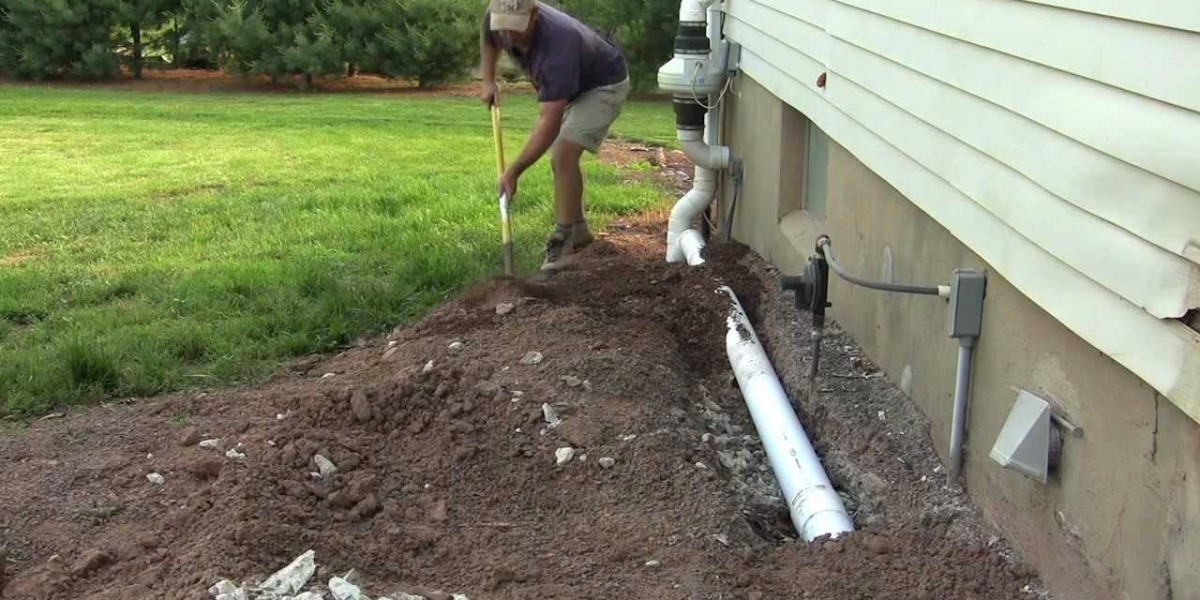
Once permits and design approvals are in place, the installation team can begin the construction process. Depending on the approved system, work may involve excavating trenches or preparing another designated treatment area, placing suitable materials, installing distribution pipes, and connecting the drain field to the septic tank. The layout must allow wastewater to move and distribute according to the approved design. Pipe placement, trench dimensions, elevations, aggregate or other specified materials, and the condition of the surrounding soil all influence performance. Contractors must avoid unnecessary disturbance or compaction of the treatment area and ensure that the installation matches the approved plans. Required inspections should take place at the appropriate stages before the system is covered. After the work passes the necessary checks, the area can be finished according to project specifications. Homeowners should request an explanation of the completed installation, retain permit and inspection records, and ask for a copy of any available system layout to support future maintenance or repairs.
Recognizing Costs and Factors That Affect the Budget
The cost of installing a drain field varies significantly because every property has different requirements. Important factors include soil conditions, the size and design of the system, excavation requirements, accessibility, materials, permitting, site preparation, and the amount of restoration needed after construction. A straightforward installation on a suitable property may require less work than a project involving restricted access, difficult groundwater conditions, extensive grading, or an alternative system design. Replacing a failed drain field may also involve additional investigation to determine why the original system stopped functioning. Homeowners comparing estimates should review the full scope of work rather than focusing exclusively on the lowest quoted price. A clear proposal should explain what is included, identify potential additional costs, and describe the contractor's responsibilities for permits and inspections. Investing in suitable design and qualified installation can help reduce the likelihood of premature failure, repeated repairs, and avoidable disruption to the property.
Maintaining a Newly Installed Drain Field
After installation, proper use and routine maintenance are essential for protecting the system. Homeowners should follow the contractor's instructions regarding initial use, landscaping, access restrictions, and maintenance schedules. The drain field should not be driven over or used for heavy storage unless the system is specifically designed to support those loads. Trees and shrubs with aggressive root systems should be kept away from underground pipes, while grass or other suitable shallow-rooted vegetation may help protect the surface from erosion. Roof gutters, downspouts, and other drainage features should direct excess water away from the treatment area. Household water use should be managed to avoid overwhelming the system, and septic tank inspections and pumping should follow professional recommendations based on tank size, household usage, and system condition. Homeowners should also watch for warning signs such as persistent wet patches, sewage odors, unusually lush growth in one area, slow drains, or wastewater backups. Promptly investigating these symptoms can help prevent a manageable issue from developing into a major repair.
Selecting a Qualified Septic Contractor in Lakeland
Choosing an experienced contractor is an important part of a successful drain field project. Homeowners should look for professionals who understand Florida's septic system requirements, can explain the permitting process, and have experience working with properties that have similar soil and groundwater conditions. Before hiring, ask whether the contractor will coordinate necessary approvals, follow the approved design, arrange required inspections, and provide documentation after completion. It is also helpful to request a written estimate, a clear project timeline, and an explanation of how unexpected site conditions will be handled. References from previous customers may offer additional insight into communication, workmanship, and reliability. A dependable professional should be willing to answer questions without making unrealistic promises about system lifespan or performance. Clear communication throughout the project helps homeowners understand what is happening at each stage and gives them confidence that the installation is being completed according to the applicable requirements.
Conclusion
Installing a new septic drain field is a significant property improvement that requires careful planning, suitable site conditions, and qualified workmanship. Soil evaluation, proper design, regulatory approval, accurate construction, and ongoing maintenance all contribute to reliable wastewater treatment. Homeowners who understand these factors can better evaluate contractor proposals, prepare their properties, and avoid common installation mistakes. They should also preserve installation records and respond quickly to signs of drainage problems after the system becomes operational. For property owners planning Drain Field Installation Lakeland FL, working with a knowledgeable septic professional helps ensure that the design reflects local conditions and that the installation follows the required standards. With the right preparation and consistent care, a properly installed drain field can support dependable septic system performance and help protect the property's long-term value.




