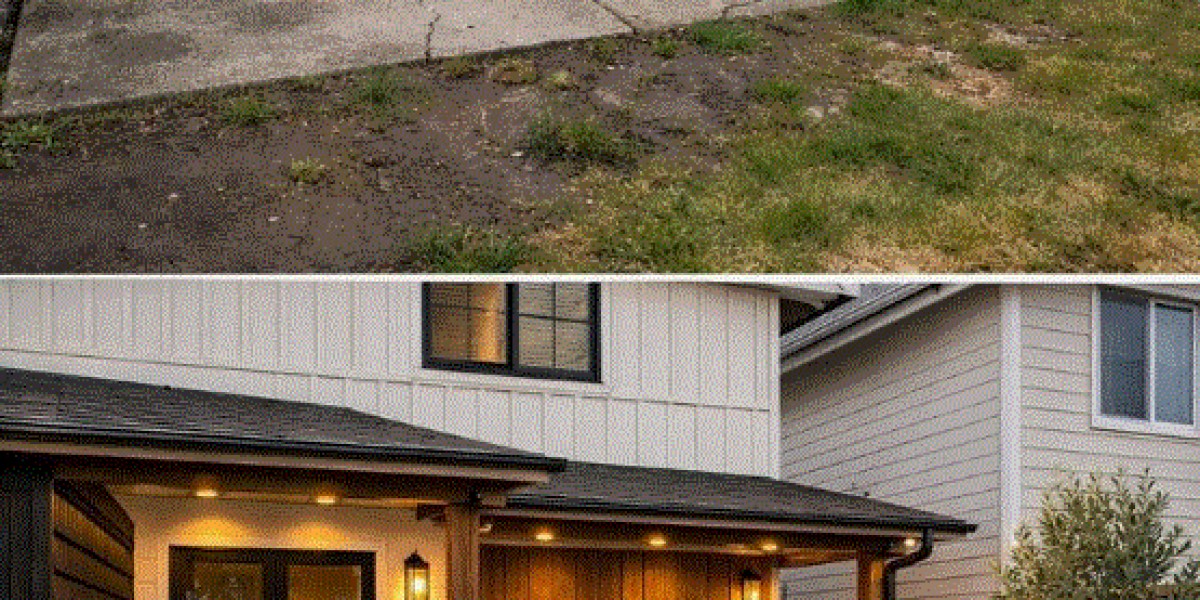

A backyard can be much more than an open area behind your home. With thoughtful planning and the right improvements, it can become a comfortable outdoor retreat for relaxing, entertaining guests, spending time with family, and enjoying the fresh air. However, transforming an ordinary yard into a functional outdoor space requires more than adding a few plants or purchasing outdoor furniture. Homeowners must consider the property's layout, drainage, landscaping, lighting, privacy, and intended uses to create a balanced design. Working with a professional Backyard Remodeler Mansfield homeowners can trust helps bring these elements together into an attractive and practical outdoor environment.
Every backyard has different possibilities depending on its size, existing features, and the homeowner's lifestyle. Some properties may benefit from a new patio and seating area, while others may need improved landscaping, a designated dining space, or better drainage. A well-planned remodeling project focuses on both appearance and usability, ensuring that each feature serves a clear purpose. By identifying priorities, selecting suitable materials, and creating a coordinated design, homeowners can develop an outdoor retreat that complements their home and provides lasting enjoyment.
Evaluate Your Existing Backyard Before Remodeling
The first step in any successful backyard renovation is understanding the condition and potential of the existing space. Before making design decisions, examine the lawn, planting beds, walkways, fences, drainage patterns, and areas that receive sunlight or shade. Identify features that work well and determine which problems need attention. Uneven surfaces, standing water, overcrowded plants, limited seating, or poorly defined activity areas may prevent the backyard from reaching its full potential.
It is also important to consider how your household currently uses the space and how you would like to use it in the future. Families with children may need an open area for play, while homeowners who enjoy entertaining might prefer a larger patio or outdoor dining space. Others may want a peaceful garden with comfortable seating and attractive planting arrangements. Establishing these goals before construction begins helps determine the project's scope and budget. A professional assessment can identify practical opportunities and potential challenges, allowing homeowners to make informed decisions before investing in major improvements.
Create a Functional Outdoor Layout
A successful backyard design organizes the available space into areas that support different activities without making the property feel crowded. For example, a patio can serve as the main gathering area, a designated lawn can provide space for recreation, and carefully arranged garden beds can introduce color and natural texture. Walkways can connect these features, making movement around the yard more convenient and creating a cohesive overall appearance.
The layout should reflect the property's dimensions and the way people will use it. Smaller backyards may benefit from multifunctional spaces, compact furniture, and simple planting arrangements. Larger properties can accommodate separate dining, relaxation, and recreation zones when there is sufficient room. Access from the house should also be considered, particularly if the backyard will include an outdoor kitchen or dining area. Keeping frequently used features close to convenient entry points can improve everyday usability. A professional Backyard Remodeler Mansfield residents choose should consider circulation, available space, privacy, and maintenance needs when developing a design that feels natural and comfortable.
Upgrade Your Patio and Outdoor Seating Area
A patio can become the centerpiece of a backyard retreat by providing a stable, comfortable surface for seating, dining, and entertaining. It creates a defined outdoor living area and can help connect the home with the surrounding landscape. Depending on the available space and budget, homeowners may choose concrete, pavers, natural stone, or other suitable materials that complement the property's exterior.
The size and placement of the patio should match its intended purpose. A small seating area may be sufficient for quiet relaxation, while households that frequently host gatherings may need additional space for dining furniture and movement. Shade is another important consideration, especially during warm Texas summers. Pergolas, shade structures, or strategically positioned trees can help make outdoor areas more comfortable, provided the design suits the property and any applicable building requirements. Furniture should be durable enough for outdoor conditions and arranged to allow convenient movement. When designed carefully, a patio can improve the backyard's functionality while creating an inviting setting for everyday activities.
Enhance the Space With Professional Landscaping
Landscaping helps soften hard surfaces, add visual interest, and connect different parts of the backyard. Trees, shrubs, ornamental grasses, flowering plants, and garden beds can create depth and make an outdoor space feel more established. The most effective planting plan considers local growing conditions, sunlight exposure, soil quality, and the amount of maintenance the homeowner is prepared to manage.
In Mansfield, choosing plants suited to North Texas conditions can help create a landscape that performs more reliably during hot weather and seasonal changes. Homeowners should also consider the mature size of plants to avoid overcrowding near patios, fences, walkways, or building foundations. Mulch can help retain soil moisture and reduce weed growth in appropriate planting beds. If the backyard includes large lawn areas, adjusting the layout may create room for additional seating, decorative planting, or practical pathways. A coordinated approach to landscaping ensures that plants complement the remodeling features rather than compete with them. The result can be a backyard that looks attractive from inside the home and remains enjoyable throughout the year.
Improve Privacy and Comfort
Privacy can make a significant difference in how comfortable a backyard feels. Properties that face nearby homes, streets, or shared boundaries may benefit from carefully planned screening features. Depending on the layout, suitable options may include fencing, strategically placed shrubs, small trees, decorative screens, or a combination of these elements. The right choice should provide the desired level of privacy without making the space feel enclosed or reducing natural light unnecessarily.
Comfort also depends on factors such as shade, wind exposure, seating arrangements, and lighting. A shaded corner with comfortable furniture can become a peaceful retreat, while a well-positioned dining area can make family meals and social gatherings more enjoyable. Outdoor cushions and furnishings should be selected for durability and easy care. If a fence or other structure needs to be installed or replaced, homeowners should check applicable property restrictions, local requirements, and utility locations before work begins. Thoughtful privacy planning creates a more personal outdoor environment while maintaining an open, welcoming appearance.
Add Outdoor Lighting for Evening Enjoyment
Outdoor lighting extends the usefulness of a backyard beyond daylight hours. It can highlight attractive landscape features, improve visibility along pathways, and create a welcoming atmosphere around patios and seating areas. A combination of functional and decorative lighting usually provides better results than relying on a single bright fixture.
Pathway lights can help people navigate the yard safely, while appropriately positioned fixtures near steps and entrances can improve visibility. Softer lighting around seating areas may create a more relaxed atmosphere for evening conversations. Landscape lighting can also highlight trees, planting beds, or architectural details without overwhelming the surrounding space. Energy-efficient LED fixtures are often a practical option because they typically consume less electricity than traditional alternatives. Outdoor electrical installations should be suitable for exterior conditions and completed according to applicable safety requirements. When lighting is incorporated into the original remodeling plan, wiring, fixture placement, and landscape features can be coordinated more effectively, resulting in a cleaner and more functional design.
Consider Outdoor Kitchens and Entertainment Features
For homeowners who enjoy hosting guests, an outdoor kitchen or dedicated entertainment area can make the backyard more versatile. Depending on the available space and budget, features may include a built-in grill, food preparation counter, serving area, outdoor dining table, or additional seating. These features can reduce the need to move constantly between indoor and outdoor spaces during gatherings.
Planning is essential because cooking and entertainment areas require suitable access, ventilation, durable surfaces, and convenient connections where applicable. The location should also account for smoke direction, nearby structures, and safe distances from combustible materials. A smaller backyard may benefit from a compact grill station and flexible dining furniture rather than a large permanent kitchen. Homeowners should prioritize features they will use regularly instead of adding expensive elements solely for appearance. Consulting qualified professionals for gas, electrical, or plumbing work can help ensure that installations meet relevant requirements. A carefully designed entertainment area can make the backyard more enjoyable without sacrificing movement or valuable open space.
Address Drainage and Choose Durable Materials
Drainage should be addressed before installing patios, walkways, garden beds, or other permanent features. Poor water management can lead to standing water, soil erosion, damaged plants, and problems around outdoor structures. Water that collects near the home may also create concerns for the foundation and surrounding areas. Evaluating how rainwater moves across the property helps identify issues that should be resolved before construction begins.
Depending on site conditions, drainage improvements may involve correcting grading, redirecting downspouts, improving soil structure, or installing an appropriate drainage system. Materials should also be selected with long-term performance in mind. Patio surfaces, retaining walls, edging, and walkways must suit their intended uses and be installed on properly prepared foundations. Lower-cost materials may appear attractive initially, but poor installation or unsuitable products can result in future repairs. A professional remodeling plan considers durability, maintenance, drainage, and visual compatibility together. This approach helps protect the investment and ensures that the finished backyard remains functional under everyday use and changing weather conditions.
Set a Realistic Budget and Project Timeline
A clear budget helps homeowners prioritize improvements and avoid unexpected expenses during a backyard renovation. Total costs can vary depending on the size of the property, design complexity, materials, site preparation, labor, and the features being installed. Landscaping updates may require a different investment from patio construction, outdoor kitchens, retaining walls, or extensive drainage work. Understanding these differences makes it easier to develop a plan that reflects both immediate needs and long-term goals.
Start by separating essential improvements from optional upgrades. Correcting drainage problems, improving access, and creating a practical layout may deserve priority over decorative additions. Request a written estimate that explains the proposed work, materials, payment schedule, expected timeline, and any exclusions. It is also sensible to set aside a contingency amount for unexpected site conditions. Before hiring a contractor, review relevant experience, references, insurance coverage, and any applicable warranties. Clear communication about expectations and scheduling helps reduce misunderstandings and supports a smoother project from the initial design through completion.
Conclusion
Transforming a backyard into a functional outdoor retreat requires careful planning, suitable materials, and a clear understanding of how the space will be used. A well-designed patio, attractive landscaping, comfortable seating, privacy features, and appropriate lighting can turn an ordinary yard into a welcoming extension of the home. Addressing drainage and prioritizing durability also help protect the investment and reduce future maintenance requirements.
Homeowners should begin by evaluating their existing space, identifying their priorities, and establishing a realistic budget. Choosing features that support everyday activities is often more valuable than adding unnecessary elements that increase cost and maintenance. Working with a reliable Backyard Remodeler Mansfield homeowners can depend on can help bring the design together while ensuring that practical considerations receive proper attention. With a coordinated approach to landscaping, outdoor living, and construction, your backyard can become a comfortable, attractive retreat for relaxing, entertaining, and enjoying time outdoors for years to come.