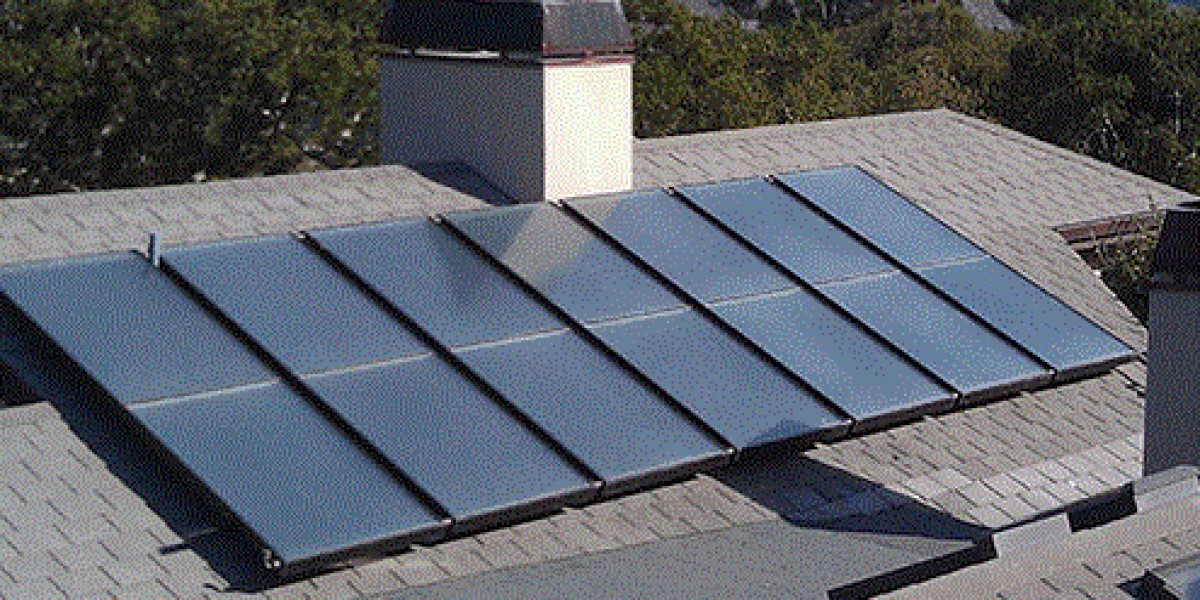

Solar energy has become an increasingly attractive option for homeowners and businesses seeking better control over electricity expenses and a more sustainable approach to energy consumption. However, achieving dependable results requires more than purchasing quality solar panels. System design, electrical connections, mounting methods, equipment compatibility, and installation practices all influence the safety and performance of a solar energy system. Choosing a licensed solar contractor is an important step toward ensuring that the work is handled by appropriately qualified professionals and that applicable electrical and building requirements are considered. Whether a property owner is planning a new rooftop installation, upgrading an existing system, or arranging repairs, selecting the right contractor can help reduce avoidable complications and make the overall project easier to manage.
For many property owners, understanding technical specifications and contractor qualifications can be challenging, particularly when comparing different solar proposals. A dependable service provider should explain the available options, evaluate the property's energy requirements, discuss project costs, and clarify the work involved before installation begins. Sunaura Solar offers solar-related services that homeowners can explore when planning installations, maintenance, repairs, or other system improvements. By evaluating experience, applicable licensing, equipment knowledge, and customer communication, property owners can make more informed decisions about their renewable energy investments. Taking time to select an appropriate contractor can help establish realistic expectations and support a solar system designed around the property's needs.
Why Hiring a Licensed Solar Contractor Matters
Solar energy systems combine rooftop equipment with electrical components that must operate together safely and reliably. Incorrect wiring, unsuitable mounting hardware, inadequate electrical protection, or poorly planned roof penetrations can create problems that may be expensive to correct. A properly qualified contractor understands the importance of following applicable codes, manufacturer instructions, safety procedures, and local permitting requirements. In Texas, electrical contractors performing or offering solar photovoltaic installation and maintenance must meet the state's applicable electrical licensing requirements and use appropriately licensed electricians. Homeowners should therefore verify the relevant contractor credentials rather than assuming that every company advertising solar services is authorized to perform electrical work. Licensing requirements can differ by jurisdiction and by the type of work involved, making verification an important part of the selection process. Property owners should also review insurance coverage, written agreements, and the contractor's experience with comparable installations. Although licensing alone cannot guarantee a flawless project, confirming the appropriate credentials provides an important foundation for evaluating professionalism, accountability, and compliance.
Residential Solar Installation Designed Around Your Home
Every home has different energy requirements, roof characteristics, and financial priorities, which means a suitable solar installation should begin with a property-specific assessment. A contractor typically reviews historical electricity consumption, roof orientation, available space, shading, and the condition of the existing electrical infrastructure before recommending a system. These factors influence the number of panels required, the expected energy output, and the type of inverter equipment that may be appropriate. Homeowners should also consider future electricity needs, such as adding an electric vehicle, installing new appliances, or expanding their living space. A system designed only around current consumption may not provide the flexibility required for future changes. A professional proposal should explain the recommended system capacity, equipment specifications, estimated annual generation, installation scope, and assumptions used in financial projections. Sunaura Solar offers solar installation solutions that homeowners can explore when evaluating residential energy options. Before approving a design, property owners should compare proposals carefully and confirm that the recommended equipment, projected production, and total cost align with their expectations.
Understanding Solar Equipment, Quality, and Compatibility
The performance of a solar installation depends on how well its individual components work together. Solar modules convert sunlight into direct-current electricity, while inverters convert that electricity into a form suitable for household use or compatible storage equipment. Mounting systems secure the modules to the roof or another suitable structure, and electrical protection components help support safe operation. Monitoring technology can provide useful information about production and equipment status, helping homeowners recognize certain faults or unexpected performance changes. When choosing equipment, property owners should consider product warranties, operating specifications, expected service life, compatibility, and the availability of replacement components. Higher efficiency does not automatically make a particular panel the best choice for every property, because roof space, shading, cost, and system configuration also affect the overall result. Similarly, battery storage may be useful for homeowners seeking backup capability or greater control over when generated electricity is consumed, but its value depends on household requirements and utility arrangements. A qualified contractor should explain these trade-offs clearly instead of recommending equipment solely because of a particular brand or specification.
The Importance of Permits, Inspections, and Electrical Safety
Solar installation involves several important steps beyond attaching panels to a roof. Depending on the property and project, homeowners may need electrical permits, building approvals, inspections, and utility interconnection authorization before the system can operate as intended. Requirements vary by location and system configuration, so the contractor should identify the applicable process and clarify which responsibilities are included in the agreement. Proper installation also requires attention to grounding, electrical protection, conductor sizing, connector compatibility, and the management of wiring exposed to outdoor conditions. Roof attachments and penetrations must be appropriate for the roofing materials and installed in a way that helps protect against water intrusion. Homeowners should ask how the contractor will document the installation and whether the proposed work complies with relevant manufacturer instructions and local requirements. It is also important to understand that a solar system connected to the utility grid may shut down during an outage unless compatible equipment and an appropriate backup configuration are installed. Discussing safety, inspections, and operating limitations before construction begins helps property owners understand what the finished system can and cannot do.
Solar Repairs, Maintenance, and Long-Term Support
Solar equipment operates outdoors and may be exposed to dust, debris, severe weather, temperature changes, and gradual component wear. Over time, these conditions can contribute to inverter faults, damaged wiring, mounting concerns, or reductions in energy production. Regular monitoring and appropriate inspections help homeowners recognize unusual changes and determine when professional service may be necessary. Maintenance requirements depend on the installation, equipment instructions, environmental conditions, and the system's observed performance. Some properties may benefit from periodic panel cleaning, while others require little intervention beyond monitoring and occasional professional inspection. If a system displays persistent error messages or experiences an unexplained production decline, a qualified technician should diagnose the cause before components are replaced. Sunaura Solar offers solar-related maintenance and repair options that property owners can investigate according to their system requirements. Before scheduling service, customers should confirm the provider's qualifications for the work involved, request an explanation of the diagnostic process, and obtain a clear estimate. Maintaining records of repairs, inspections, equipment warranties, and production changes can also simplify future troubleshooting and support more informed decisions about system upgrades.
How to Evaluate Contractor Estimates and Warranties
Comparing solar contractors solely on the basis of price can overlook important differences in equipment, installation quality, and ongoing support. A detailed estimate should identify the system capacity, panel and inverter models, mounting equipment, labor, electrical work, permit-related responsibilities, and any optional battery components. Homeowners should check whether the quoted price includes all expected installation stages and ask which circumstances could result in additional charges. Financial projections should be based on realistic assumptions about electricity consumption, system production, utility rates, and the treatment of excess electricity sent to the grid. Warranties deserve equal attention because product coverage and installation workmanship coverage serve different purposes. Customers should understand who handles warranty claims, what exclusions may apply, and whether removing or modifying equipment could affect existing coverage. It is also reasonable to request proof of applicable licensing and insurance, references from comparable projects, and a written payment schedule. Avoid paying the entire project cost before the agreed work is completed and required inspections are addressed. Careful review of these details makes it easier to compare proposals fairly and select a contractor based on overall value rather than promotional claims.
Why Consider Sunaura Solar for Your Solar Project?
Choosing a solar service provider is an important decision because the relationship may continue beyond the original installation through maintenance, troubleshooting, equipment upgrades, or future property improvements. Homeowners should look for a provider that communicates clearly, explains technical decisions in understandable language, and offers a written scope of work suited to the property. Sunaura Solar provides solar-related solutions that customers can explore when assessing installation and ongoing service needs. When considering the company for a particular project, property owners should discuss their energy goals, review the proposed equipment, and confirm the services available for their location. It is equally important to verify the electrical contractor credentials applicable to the work, understand warranty arrangements, and clarify who will manage permits and inspections. Customers should request a detailed proposal that identifies the expected project stages and any exclusions before signing an agreement. This practical evaluation helps ensure that the selected provider is appropriate for the technical and regulatory requirements of the installation. A good contractor relationship should be based on clear documentation, realistic expectations, and an understanding of how the system will be supported after the initial work is finished.
Conclusion
Selecting the right solar contractor is a fundamental part of planning a safe, efficient, and dependable renewable energy system. Property owners should consider system design, equipment compatibility, installation quality, permitting, electrical safety, warranties, and long-term maintenance before committing to a project. Verifying the relevant license and insurance, reviewing itemized estimates, and asking clear questions about responsibilities can help prevent misunderstandings and support a more informed decision. For homeowners exploring solar solutions, Sunaura Solar offers services worth considering when evaluating installation, repairs, maintenance, and system improvements. Before proceeding, confirm the company's qualifications for the specific work, review the proposed agreement, and ensure that all applicable requirements are addressed. Ultimately, choosing a properly qualified licensed solar contractor means prioritizing safety, transparency, and technical competence while building a stronger foundation for your home's long-term solar energy investment.