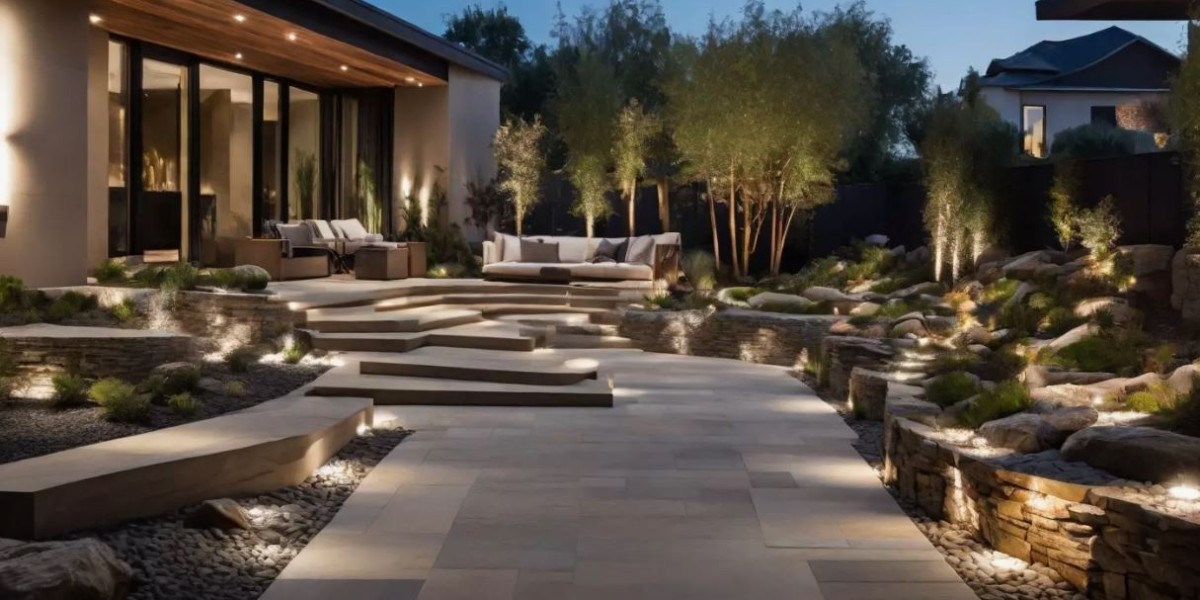

Moving into a new home offers an exciting opportunity to create an outdoor environment that reflects your lifestyle, complements your property's architecture, and supports long-term comfort. From attractive front gardens and welcoming walkways to functional backyards and relaxing patio areas, thoughtful landscaping can transform an undeveloped yard into a beautiful extension of your living space. However, creating an appealing landscape requires more than choosing plants and installing decorative features. Homeowners must consider soil conditions, drainage, sunlight, available space, maintenance requirements, and the relationship between indoor and outdoor areas. Planning these elements early can help prevent unnecessary expenses and establish a strong foundation for a successful outdoor project.
Professional new home landscaping focuses on combining visual appeal, practical functionality, and environmental awareness to create an outdoor space that develops beautifully over time. Whether you prefer a low-maintenance garden, a family-friendly lawn, or an outdoor entertainment area, the right design can help you make the most of your property. By selecting suitable plants, incorporating durable materials, and organizing different outdoor zones, you can create a landscape that supports everyday activities while enhancing curb appeal. A carefully planned approach also helps homeowners manage water usage, reduce future maintenance challenges, and make informed decisions about long-term improvements.
Start With a Detailed Property Assessment
Before selecting plants or planning outdoor features, evaluate the existing conditions of your property. New homes may have compacted soil, uneven ground, construction debris, limited topsoil, or drainage patterns that need attention before landscaping begins. Understanding these conditions helps you determine which improvements are necessary and how to organize the available space.Observe how sunlight moves across the yard throughout the day. Areas that receive full sun may be suitable for certain flowering plants or lawn varieties, while shaded locations may require different planting choices. You should also identify existing trees, utility lines, property boundaries, and areas where rainwater collects.A thorough assessment allows you to prioritize essential work before adding decorative elements. Correcting grading issues, improving soil quality, and addressing drainage concerns at the beginning can help protect your investment and create better conditions for plants to establish themselves.
Create a Landscape Design That Matches Your Lifestyle
Every household uses outdoor space differently, so the design should reflect your daily routines and future plans. Families with children may need open lawn areas and clear pathways, while homeowners who enjoy entertaining might prioritize patios, outdoor dining spaces, and comfortable seating areas.Begin by identifying the activities you want to accommodate. Consider whether you need space for gardening, recreation, relaxation, outdoor cooking, or gatherings with friends. Organizing the yard into distinct zones can make the property more functional without making it feel crowded.The design should also complement the architectural style of your home. Clean lines, simple planting arrangements, and understated materials may suit contemporary homes, while traditional properties may benefit from curved pathways, layered garden beds, and classic plant combinations.A cohesive plan connects these elements through consistent materials, coordinated colors, and practical layouts. Establishing this direction before construction begins helps prevent mismatched features and unnecessary changes later.
Improve Curb Appeal With Thoughtful Front Yard Landscaping
The front yard creates the first impression of your home, making it an important area to consider during landscape planning. A well-organized entrance, attractive planting beds, and clearly defined pathways can improve the property's appearance while making it easier for residents and visitors to reach the front door.Foundation planting can soften the transition between the building and the surrounding landscape. Small shrubs, ornamental grasses, flowering plants, and appropriately sized trees can add texture and color without overwhelming the home's exterior.Pathways should provide convenient access and complement the surrounding architecture. Materials such as concrete pavers, natural stone, and decorative gravel may work well when selected according to the property's style and practical requirements.Avoid overcrowding the front yard with too many decorative elements. A balanced arrangement with suitable spacing often creates a more polished appearance and allows plants to mature naturally. Thoughtful lighting can further improve visibility and highlight important landscape features after sunset.
Select Plants That Thrive in Local Conditions
Plant selection has a direct influence on the health, appearance, and maintenance needs of a new landscape. Choosing plants based only on their appearance may lead to problems if they are unsuitable for the local climate, soil conditions, or available sunlight.Research plants that are adapted to your region and match them to the specific conditions of each planting area. Native and climate-adapted varieties can often establish successfully when planted in suitable locations. Consider the mature height and spread of trees and shrubs to ensure they have enough room to grow without interfering with buildings, pathways, or utility lines.Combining evergreen plants with seasonal flowers, ornamental grasses, and deciduous trees can create visual interest throughout the year. Different heights, textures, and flowering periods help the landscape feel balanced rather than uniform.It is also important to consider watering requirements. Grouping plants with similar moisture needs can simplify irrigation and reduce unnecessary water use. Proper plant selection from the beginning can support healthier growth and reduce the need for frequent replacements.
Build Functional Outdoor Living Areas
A backyard can provide valuable space for relaxation, dining, and entertainment when its layout is planned carefully. Instead of treating the yard as a single open area, consider how different features can work together to support multiple activities.A patio near the house can provide a convenient location for outdoor dining or seating. A separate garden corner may create a quiet retreat, while an open lawn can accommodate recreation and everyday family activities. Larger properties may have enough room for an outdoor kitchen, fire feature, or designated entertainment area.When planning these spaces, consider movement between the house, patio, garden, and other outdoor features. Convenient pathways and appropriate spacing help prevent the layout from feeling cramped or disconnected.Shade and privacy also influence comfort. Trees, pergolas, and suitable screening plants can provide protection from direct sunlight and create a more secluded atmosphere. Selecting durable materials and considering local weather conditions will help ensure that outdoor living features remain practical over time.
Incorporate Sustainable Landscaping Practices
Sustainable landscaping can help homeowners manage resources responsibly while creating an attractive outdoor environment. Practical strategies include selecting suitable plants, improving soil health, using water efficiently, and limiting unnecessary maintenance.Water-efficient landscaping begins with choosing plants that can thrive under local rainfall and temperature conditions. Where appropriate, drought-tolerant species and well-planned planting beds can reduce irrigation demands. Efficient irrigation systems may also help deliver water where it is needed while minimizing waste.Mulching garden beds can help retain soil moisture, reduce weed growth, and regulate soil temperature. Adding suitable organic matter to the soil may improve its structure and support healthy root development.Other sustainable options include preserving healthy existing trees, using permeable paving where appropriate, and choosing durable materials that do not require frequent replacement. Rain gardens or other stormwater features may also be suitable for properties with the right soil and drainage conditions.These practices should be selected according to the property's needs rather than applied uniformly. A well-designed sustainable landscape balances environmental benefits with usability, appearance, and maintenance requirements.
Address Drainage and Soil Preparation Early
Drainage and soil preparation are especially important for newly built homes because construction activities can significantly affect the ground. Heavy equipment may compact soil, while grading changes can influence how rainwater moves across the property.Before installing a lawn, planting trees, or constructing a patio, make sure the ground is suitable for the intended work. Soil testing can help identify nutrient deficiencies or other conditions that may affect plant growth. Depending on the results, the soil may need appropriate amendments or additional preparation.Grading should direct water away from the home's foundation and toward suitable drainage areas. Low spots that collect water may require adjustments or an appropriate drainage solution based on the site's conditions.Addressing these issues before installing finished landscape features helps reduce the risk of erosion, standing water, unhealthy plants, and damage to paved surfaces. If the property has complex drainage problems, consulting a qualified professional can help identify an effective approach.
Choose Durable Materials for Walkways and Patios
Hardscape materials provide structure and improve accessibility throughout the landscape. Walkways connect different outdoor areas, while patios create usable surfaces for seating, dining, and recreation. Garden edging, steps, and retaining walls can also help organize the property.The best material depends on the design, intended use, budget, and local environmental conditions. Concrete pavers offer flexibility in color and pattern, while natural stone can provide a distinctive appearance. Gravel may be suitable for certain garden paths, and poured concrete can offer a clean, practical surface.Consider durability, traction, maintenance, drainage, and installation requirements before making a decision. Materials should complement the home's exterior and coordinate with other outdoor features.Proper installation is just as important as material quality. A stable base, appropriate grading, and suitable joint construction help reduce the risk of uneven surfaces and premature deterioration. Planning these details early can prevent expensive corrections after the landscape is completed.
Plan Your Landscaping Budget and Project Timeline
Establishing a realistic budget helps you decide which improvements to complete immediately and which can be introduced later. Landscaping expenses may include site preparation, soil improvements, plants, lawn installation, irrigation, hardscaping, lighting, labor, and ongoing maintenance.Request estimates for major project components and identify essential improvements before committing to decorative additions. Drainage correction and soil preparation may deserve priority because they affect the success of other landscape features.If your budget is limited, consider completing the project in phases. You might begin with grading, essential pathways, and primary planting areas before adding a patio, decorative lighting, or more elaborate garden features. A complete master plan helps ensure that future improvements fit the original design.Project timelines may vary according to weather, material availability, site conditions, and the size of the property. Discuss the expected schedule with your contractor and allow time for plants to establish and develop after installation.
Decide Between DIY Landscaping and Professional Services
Some landscaping tasks, such as planting small garden beds, spreading mulch, or maintaining existing plants, may be manageable for homeowners. However, larger projects can require specialized knowledge, equipment, and construction experience.Professional landscapers can help with design development, grading, irrigation planning, hardscape installation, tree placement, and complex drainage requirements. Their experience may be particularly useful when the property has challenging slopes, limited access, or extensive outdoor construction needs.Before hiring a contractor, review previous projects, request detailed estimates, and verify applicable licensing and insurance requirements. Clarify which services are included, who will supply materials, and how unexpected issues will be handled.The right choice depends on your available time, budget, skills, and project complexity. Combining professional assistance for technical work with homeowner-led planting or maintenance can be a practical way to manage costs while achieving a polished result.
Conclusion
Creating a beautiful outdoor environment for a newly built home requires thoughtful planning, appropriate plant selection, durable materials, and attention to environmental conditions. From improving curb appeal and developing functional outdoor living areas to managing drainage and incorporating sustainable practices, every decision contributes to the landscape's long-term performance. A clear design plan also helps homeowners prioritize improvements, control expenses, and avoid unnecessary changes during construction.Successful new home landscaping should reflect your lifestyle while complementing your home's architecture and supporting long-term outdoor enjoyment. By evaluating the property carefully, choosing plants suited to local conditions, and investing in proper installation, you can develop an outdoor space that remains attractive and functional as your home and garden mature. Whether you handle smaller projects yourself or work with experienced landscaping professionals, a well-planned approach can help create a welcoming, sustainable landscape that adds lasting appeal to your property.