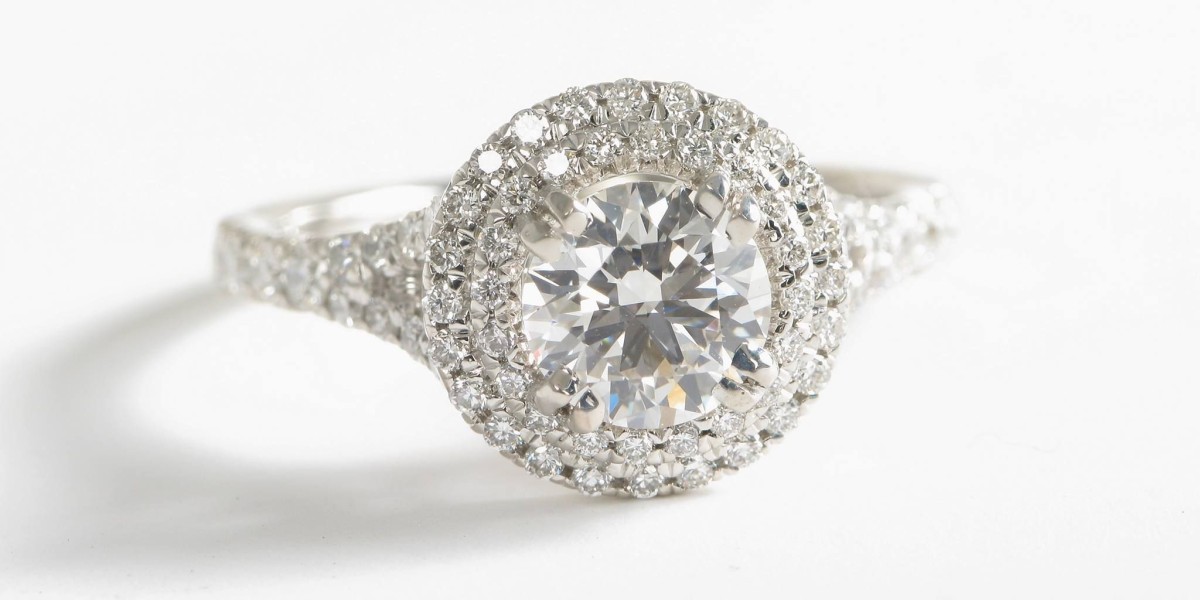

Choosing an engagement ring is an important decision, especially when you want a design that reflects your partner's personality and lasts for years. Round cut engagement rings remain a popular choice because of their brilliant sparkle, balanced shape, and ability to complement different jewellery styles. Whether you prefer a classic solitaire or a diamond surrounded by smaller stones, a round cut offers versatility that makes it suitable for many preferences.
The round brilliant cut is designed to reflect light through carefully arranged facets, creating the sparkle many people associate with a traditional diamond engagement ring. Its symmetrical shape works beautifully with various metals, settings, and band designs, making it easier to find a ring that feels personal rather than ordinary.
However, choosing the right ring involves more than selecting a diamond shape. Diamond quality, carat weight, setting style, metal type, comfort, and budget should all be considered before making a purchase. Understanding these factors can help you make a confident decision and select a ring that suits both your partner's style and your long-term expectations.
Why Are Round Cut Engagement Rings So Popular?
Round diamonds have remained a favourite in engagement jewellery because they combine classic proportions with impressive light performance. Their circular outline creates a balanced appearance, while the brilliant cut is designed to maximise the reflection and return of light.
Unlike some fancy diamond shapes, a round diamond does not have pointed corners. This can make it easier to pair with a variety of settings, although the overall durability still depends on the diamond's quality, the setting, and how the ring is worn.
Several characteristics contribute to the appeal of this design.
Exceptional Sparkle and Light Performance
The round brilliant cut is typically designed with 57 or 58 facets, depending on whether the culet is counted. These facets interact with light to create brightness, fire, and scintillation.
Brightness: The amount of white light reflected back through the diamond.
Fire: The coloured flashes created when white light is dispersed.
Scintillation: The flashes of light and dark that appear as the diamond or observer moves.
A well-cut round diamond can display a lively balance of these visual effects. However, the number of facets alone does not determine sparkle. Proportions, symmetry, polish, and viewing conditions also influence the final appearance.
A Timeless and Versatile Design
Fashion trends change, but the round diamond has remained a familiar choice for engagement rings across generations. Its symmetrical shape works with both traditional and contemporary jewellery designs.
For example, a simple solitaire creates a clean and understated appearance, while a halo setting adds extra visual detail. A pavé band can introduce additional sparkle without changing the centre diamond's shape.
This flexibility allows round diamonds to be incorporated into many different styles without losing their distinctive appearance.
Suitable for Different Personal Styles
Round cut engagement rings can be selected to match a range of preferences, from minimalist jewellery to elaborate statement designs.
Consider these options:
A solitaire for someone who appreciates simple, classic jewellery.
A halo setting for someone who prefers a more decorative look.
A three-stone ring for someone who enjoys meaningful design details.
A pavé band for someone who likes additional sparkle.
A vintage-inspired setting for someone drawn to intricate craftsmanship.
The best design is usually the one that feels natural to the person who will wear it every day.
Which Setting Works Best for Round Cut Engagement Rings?
The setting influences how a diamond looks, how securely it is held, and how comfortable the ring feels during everyday activities. Two rings featuring diamonds of similar quality can look quite different when placed in different settings.
Before choosing a design, consider the wearer's lifestyle, preferred appearance, and willingness to maintain more detailed jewellery.
Solitaire Setting
A solitaire features one centre diamond, usually supported by prongs or a bezel. Because there are no additional diamonds competing for attention, the centre stone becomes the main visual focus.
This setting is often selected for its clean appearance and versatility. It can be paired with a plain gold band, a platinum band, or a slightly detailed design.
A four-prong setting can allow more light to reach the diamond from different directions, while a six-prong setting offers additional points of contact. Neither option guarantees security on its own, so the quality of the setting and regular inspections remain important.
Halo Setting
A halo ring features smaller diamonds or gemstones arranged around the centre stone. This creates a decorative border that can make the centre diamond appear larger from the top.
Halo settings may suit someone who enjoys a glamorous look or wants additional sparkle across the ring.
However, the smaller stones and more detailed construction can require extra cleaning. The setting should be inspected periodically to ensure that the surrounding stones remain secure.
Pavé Setting
A pavé band features small diamonds placed closely together along part of the ring's surface. The stones create a continuous appearance of sparkle while the centre diamond remains the main focal point.
This design can complement round diamonds particularly well because the smaller stones reinforce the ring's brilliant appearance.
When choosing pavé jewellery, consider the wearer's daily activities. Prongs and small stones can be affected by knocks, so professional inspections and appropriate care are recommended.
Three-Stone Setting
A three-stone ring features a centre diamond accompanied by two side stones. Round diamonds can be paired with round side stones or other shapes, depending on the intended design.
Some people associate the three stones with the past, present, and future of a relationship. This symbolism is a matter of personal interpretation, but it can make the ring feel especially meaningful.
The proportions of the side stones should complement the centre diamond. A jeweller can help ensure that the stones are balanced and that the setting is comfortable for regular wear.
How Do You Choose the Right Diamond Quality?
Diamond quality plays an important role in the appearance and price of an engagement ring. The traditional Four Cs, cut, colour, clarity, and carat weight, provide a useful starting point for comparing natural diamonds.
These characteristics should be considered together rather than judged individually.
Cut Quality
For a round brilliant diamond, cut quality has a significant influence on sparkle. A diamond with excellent proportions and craftsmanship can appear lively and bright, while a poorly proportioned stone may look less brilliant even if it has a high carat weight.
When comparing diamonds, review available cut, polish, and symmetry grades. Independent grading reports from recognised gemological laboratories can help verify the stated characteristics.
An excellent cut grade can be a useful starting point, but viewing the diamond in person or through reliable video can also help you evaluate its appearance.
Colour Grade
Diamond colour grades measure how much colour is visible in a diamond, generally on a scale from colourless to increasingly noticeable yellow or brown tones for the standard grading system.
Round brilliant diamonds can hide small amounts of colour effectively because of their light performance. As a result, some buyers may prefer a near-colourless diamond rather than paying a premium for the highest colour grade.
The metal used for the setting can influence the overall look as well. Platinum and white gold provide a neutral appearance, while yellow gold may complement diamonds with slightly warmer tones.
Clarity Grade
Clarity refers to internal characteristics, known as inclusions, and external characteristics, known as blemishes.
Not every inclusion is visible to the naked eye. A diamond graded below flawless may still look clean when viewed without magnification.
When working within a budget, a diamond that appears eye-clean may offer better value than a higher-clarity stone whose differences are difficult to notice during normal wear. The actual result depends on the size, location, and nature of the inclusions.
Carat Weight
Carat measures a diamond's weight, not its diameter or apparent size. Two diamonds with the same carat weight can appear different in size because of their proportions and cutting style.
A larger centre diamond may be appealing, but it should not automatically take priority over cut quality, setting security, or comfort.
When comparing round cut engagement rings, examine the diamond's face-up measurements as well as its carat weight. This provides a better understanding of how large it may look when worn.
Should You Choose a Natural or Lab-Grown Round Diamond?
Both natural and lab-grown diamonds can offer the optical, chemical, and physical characteristics associated with diamond. The main differences relate to their origin, market pricing, and the preferences of the buyer.
Natural diamonds form through geological processes over long periods. Lab-grown diamonds are produced using technological processes that recreate the conditions required for diamond growth.
Natural Diamonds
Natural diamonds may appeal to buyers who value geological origin, traditional diamond sourcing, or the established market for mined stones.
Their prices vary according to quality, market conditions, and other factors. A natural diamond should not be assumed to increase in value or provide a guaranteed investment return.
Buyers should also consider sourcing information and ask the retailer about available documentation.
Lab-Grown Diamonds
Lab-grown diamonds are created in controlled environments and are generally less expensive than comparable natural diamonds.
This can allow buyers to choose a larger stone or allocate more of their budget to the setting, craftsmanship, or other priorities.
Lab-grown diamonds should be clearly identified as such. Their resale values and market dynamics differ from those of natural diamonds, and buyers should not assume that either type will retain its original purchase price.
The right option depends on your budget, preferences, and the significance you place on a diamond's origin.
What Metal Should You Choose for Your Engagement Ring?
The band and setting contribute to the ring's appearance, durability, and maintenance requirements. Gold and platinum are common choices, but each has different characteristics.
Yellow Gold
Yellow gold offers a warm, traditional appearance that complements many diamond styles. It can work particularly well with classic solitaire and vintage-inspired designs.
Gold purity is measured in karats. For example, 14K gold contains a lower proportion of pure gold than 18K gold, with the remaining composition made up of other metals.
The alloy composition affects colour, hardness, and other properties. Buyers should check the stated purity and ask whether the band and setting use the same metal.
White Gold
White gold provides a bright, neutral appearance that pairs well with the colourless look many buyers prefer in diamonds.
It is commonly alloyed with other metals and may be coated with rhodium to create a brighter white finish. This coating can wear over time and may need to be renewed.
Maintenance should be considered when comparing white gold with other metals.
Platinum
Platinum is a naturally white precious metal commonly used in fine jewellery. It is valued for its durability and its suitability for securing diamonds in well-made settings.
It is generally denser than gold, so a platinum ring of similar dimensions may feel heavier. It can also cost more, depending on market prices and the design.
A qualified jeweller can explain which metal best suits the ring's construction and intended use.
How Can You Choose an Engagement Ring That Fits Your Budget?
An engagement ring should be selected according to your financial priorities rather than an arbitrary spending rule. A thoughtful design and well-chosen diamond can be meaningful at different price points.
Start by establishing a comfortable budget that accounts for the centre stone, setting, taxes, and any additional costs.
Prioritise the Features That Matter Most
Some buyers care most about sparkle, while others prefer a larger-looking diamond or a particular metal. Identifying your priorities can make the selection process easier.
For example, you might choose:
A well-cut diamond with a slightly lower colour grade.
An eye-clean diamond instead of paying for a higher clarity grade.
A lab-grown diamond to allocate more money to the setting.
A classic solitaire rather than a design with many additional stones.
A slightly different carat weight to find a better balance of quality and cost.
Each choice involves trade-offs, so compare the complete ring rather than focusing on a single specification.
Compare Documentation and Retailer Policies
Before purchasing, check the grading report, return policy, warranty, resizing options, and maintenance services.
For natural diamonds, ask whether the stone has an independent grading report from a recognised laboratory. Lab-grown diamonds should also be accurately identified and accompanied by appropriate documentation where available.
A trustworthy retailer should explain what is included in the price and provide clear information about the materials used.
How Should You Care for a Round Diamond Engagement Ring?
Regular care helps preserve the ring's appearance and gives you an opportunity to identify potential problems before they become more serious.
Everyday products such as hand creams, soap, and oils can build up on a diamond's surface, reducing its sparkle. Settings may also be affected by knocks or repeated contact with hard surfaces.
Follow these simple care practices:
Clean the ring using a method suitable for its metal and gemstones.
Store it separately to reduce scratches and tangling with other jewellery.
Remove it when undertaking activities that could expose it to impact or harsh chemicals.
Have the prongs, setting, and band inspected periodically by a qualified jeweller.
Arrange professional cleaning when residue cannot be removed safely at home.
Warm water, mild soap, and a soft brush may be suitable for some diamond rings, but certain settings and gemstones require different care. Follow the retailer's instructions and avoid harsh chemicals unless their compatibility has been confirmed.
Final Thought
Round cut engagement rings continue to appeal to couples because they combine brilliant sparkle, classic proportions, and versatile styling options. From minimalist solitaires to elaborate halo designs, there are choices to suit different tastes and budgets. The best ring is not necessarily the one with the largest diamond or the highest specifications. It is the one that balances diamond quality, setting security, metal preference, comfort, and personal meaning. By comparing the Four Cs, reviewing reliable grading documentation, and choosing a reputable jeweller, you can make a more informed decision and select an engagement ring that can be treasured for years to come.