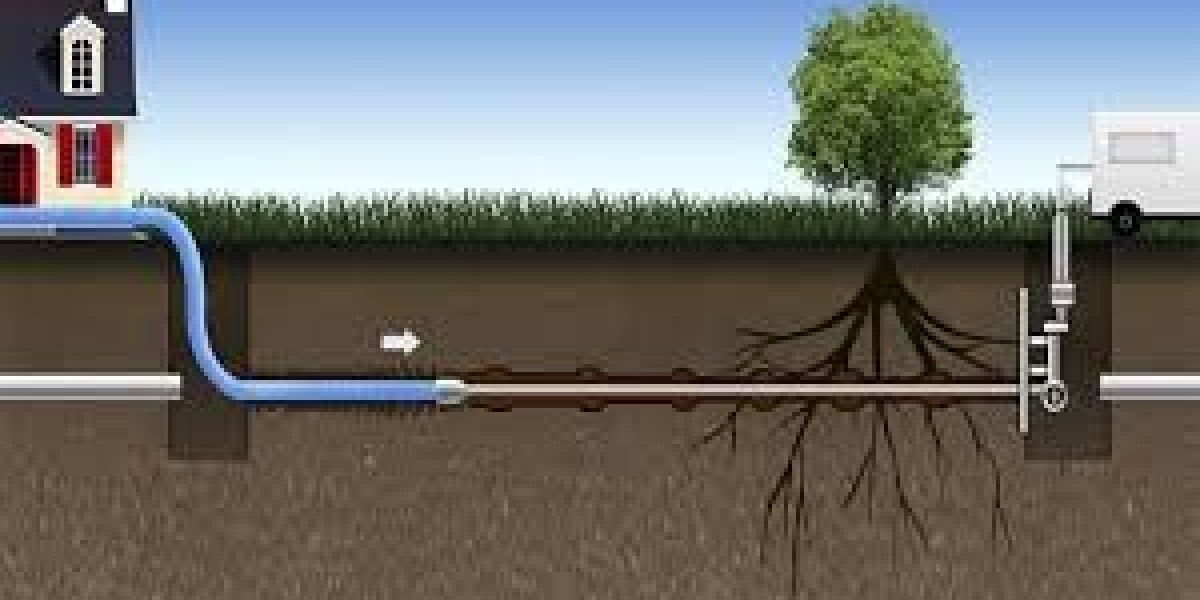

Underground pipes play an important role in moving wastewater, stormwater, and water safely around a property. The problem is that most of these pipes are hidden beneath soil, driveways, landscaping, or concrete, making damage difficult to see until it starts affecting the property.
A damaged underground pipe can develop gradually or fail suddenly. Cracks, broken sections, displaced joints, root intrusion, corrosion, pipe deformation, and blockages can all affect how a pipe performs. Sewer systems can also develop defects that allow groundwater to enter or wastewater to escape into the surrounding soil.
Knowing the warning signs can help property owners investigate a potential problem before it becomes a major repair.
Signs of a Damaged Underground Pipe
Because underground pipe damage is usually hidden, homeowners often notice changes above ground or inside the building first.
1. Repeated Drain Blockages
A drain that keeps becoming blocked, even after cleaning, may indicate a problem farther down the underground line. Roots, grease, sediment, debris, or damaged sections of pipe can restrict wastewater flow. Tree roots are also a common cause of sewer blockages.
2. Slow Drains Throughout the Property
One slow sink may simply have a localized blockage. However, when several fixtures drain slowly at the same time, the problem may be farther along the main drainage or sewer line.
3. Unusual Sewer Odours
Persistent sewage smells around drains, yards, or other areas of the property can indicate a drainage or sewer problem. A professional inspection can help determine whether the source is a damaged pipe, connection, blockage, or another issue.
4. Wet or Unusually Green Areas
Unexpectedly wet soil, standing water, or an unusually lush patch of grass along an underground pipe route can be a warning sign. A leaking underground pipe can introduce water into the surrounding soil.
5. Sinking or Depressed Ground
A depression developing above a buried pipe may indicate changes in the soil surrounding the pipe. Pipe defects can include breaks, collapses, displaced joints, sags, and other structural problems.
6. Unexplained Water or Sewer Problems
Unexpected changes in water pressure, unexplained water loss, recurring sewage backups, or wastewater appearing where it should not can all justify further investigation.
These signs do not automatically mean that an underground pipe is damaged. They are indicators that a professional assessment may be worthwhile.
What Causes Underground Pipes to Become Damaged?
Underground pipes can deteriorate for several different reasons, and the cause is not always obvious from the surface.
Age and Natural Deterioration
Older pipes can experience deterioration over time. However, pipe age alone does not determine its condition. Two pipes of similar age can perform very differently depending on their material, installation, environment, and previous maintenance.
Tree Root Intrusion
Roots naturally seek water and can enter pipes through existing cracks or openings. Once inside, they can restrict flow and contribute to further deterioration.
Ground Movement
Soil movement, settlement, or changes in the surrounding ground can place stress on buried pipes. This may contribute to pipe deformation, cracking, sagging, or displaced joints.
Corrosion and Pipe Deterioration
Certain pipe materials can deteriorate through corrosion or chemical processes. Over time, deterioration can weaken the pipe wall and increase the possibility of leakage or structural failure.
Blockages and Build-Up
Grease, sediment, debris, roots, and other materials can accumulate inside pipes. Persistent restrictions can reduce flow and may contribute to backups and other problems.
Construction or External Damage
Excavation, landscaping, construction activity, or other external forces can damage buried utilities, particularly when underground lines are not properly identified before work begins.
How Can You Confirm an Underground Pipe Problem?
The location and cause of underground pipe damage cannot always be determined from surface symptoms alone.
One of the most useful diagnostic methods for sewer lines is a CCTV pipe inspection. A small camera can be introduced into the pipe to examine its interior and identify conditions such as cracks, roots, debris, displaced joints, sags, leaks, or collapsed sections.
A professional may also use pipe locating equipment and other diagnostic methods to determine where the problem is located before recommending a repair.
The goal should be to identify what is wrong, where the damage is located, and how extensive it is before deciding whether the pipe needs cleaning, localized repair, rehabilitation, or replacement.
Who Should You Contact About a Damaged Underground Pipe?
If you suspect an underground drainage or sewer pipe problem, the appropriate professional depends on the type and location of the issue.
For a residential drain or sewer problem, you can contact a qualified drain repair or sewer repair contractor. They can investigate recurring blockages, backups, damaged sewer lines, and other drainage problems.
For larger underground infrastructure, water mains, utility corridors, or work involving multiple underground services, an experienced utility contractor may be appropriate.
A professional contractor can inspect the affected line and explain the available repair options. Depending on the condition and location of the pipe, solutions may include targeted repairs, pipe lining, trenchless rehabilitation, pipe bursting, or conventional excavation and replacement.
Don't Ignore Repeated Underground Pipe Problems
Underground pipe damage can remain hidden for a long time, but recurring blockages, slow drainage, unusual wet areas, sewer odours, and unexplained ground changes should not simply be treated as isolated problems.
A professional inspection can provide a clearer picture of the pipe's actual condition and help determine the appropriate next step.
If you are experiencing recurring drainage or sewer problems, contact a qualified drain or underground pipe repair contractor to arrange an inspection and discuss the available repair options.




