
Inflatable Tent Manufacturer selection should begin with the buyer needs rather than a catalog image or a single quotation. Retailers, event companies, distributors, resorts, and promotional teams may require different dimensions, materials, layouts, branding, accessories, and operating arrangements. A useful evaluation should therefore cover the complete production process, from design approval and material selection to inspection and packing. Recent B2B purchasing guidance also recommends checking the actual production process, approved specifications, material information, inspection evidence, and final product before shipment.
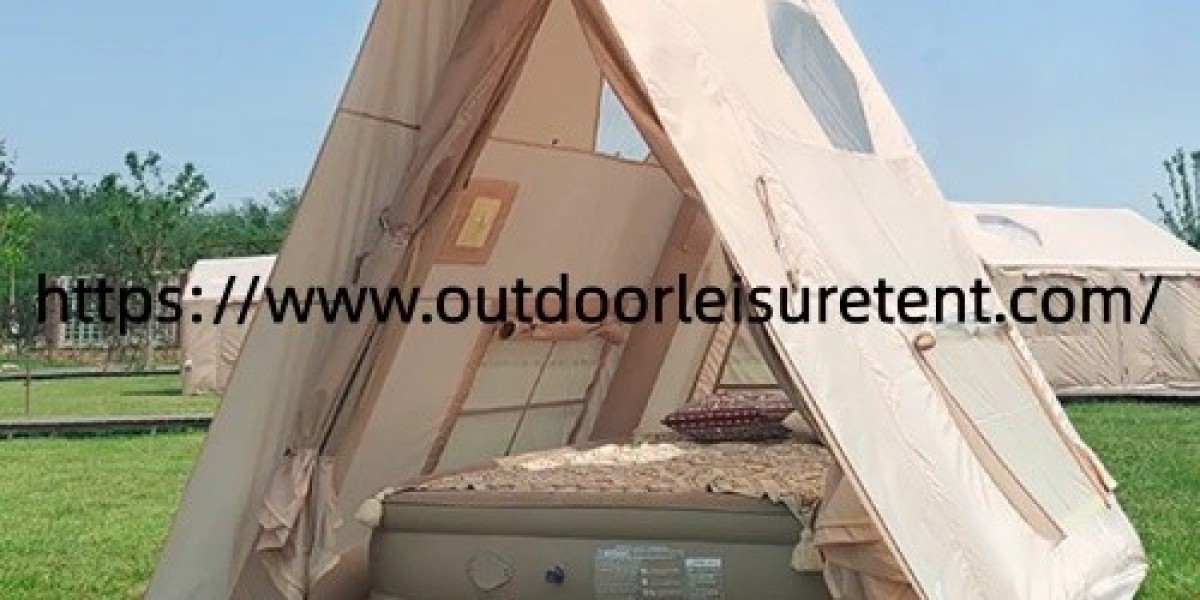
The first point to clarify is the intended application. A shelter used for exhibitions may need large printed surfaces and convenient visitor access. A camping application can place more attention on ventilation, packed size, transport, and repeated setup. A promotional project may require unusual dimensions or a particular visual layout. Providing the manufacturer with the application, target size, quantity, destination, and expected use frequency creates a more useful starting point for product development.
Material specifications should then be discussed in detail. Buyers should ask about fabric composition, thickness, coating, reinforcement, seams, valves, air beams, and other construction elements relevant to the intended design. Two products can appear similar while using different materials or production methods. For this reason, a written specification is useful when comparing quotations from several factories. Recent B2B guidance also recommends requesting material samples and specification sheets before placing larger orders.
Sample approval is another important stage. Before bulk production begins, buyers can review dimensions, fabric, colors, artwork, stitching, entrances, windows, accessories, and packaging. The approved sample or drawing should become the reference for production. If changes are made later, both sides should record the updated specification clearly. This helps prevent an old drawing or outdated material requirement from being used during manufacturing.
Customization capability matters for brands and distributors with specific market requirements. Some projects may need custom colors, printed logos, different entrances, modified dimensions, additional windows, internal partitions, or special packaging. The manufacturer should be able to discuss these details before production rather than leaving important decisions until the product is already being assembled.
Production control is another factor worth checking. Buyers do not need to monitor every individual manufacturing step, but they should understand how the factory controls the approved design. Useful questions include how patterns are prepared, how incoming materials are checked, how printing is reviewed, how seams are inspected, how dimensions are measured, and how the finished structure is tested before packing. A documented process gives buyers a clearer basis for evaluating consistency.
Final inflation inspection can provide useful information that is difficult to see when a product is folded. Once assembled and inflated, the manufacturer can check overall dimensions, appearance, seams, valves, air retention, artwork placement, and obvious construction issues. Buyers can ask whether inspection photographs, videos, measurements, or other records are available for their order. This creates a direct connection between the approved specification and the finished unit.
Anchoring and installation requirements should also be discussed. Different locations can have different surfaces, wind exposure, access conditions, and venue rules. Grass, soil, concrete, asphalt, and sand may require different fixing methods. Buyers should confirm which accessories are included and which additional equipment may be required. Recent purchasing guidance also emphasizes that anchoring should be planned according to the actual installation environment.
Size and packed dimensions are important for logistics. A large structure may require more warehouse space, a larger transport vehicle, or additional handling equipment. Buyers should request both deployed dimensions and packed measurements. This is particularly useful for event companies and distributors that move products between venues or maintain inventory in a warehouse.
Packaging should be included in the specification rather than treated as an afterthought. Buyers may need carrying bags, labels, cartons, protective materials, accessory compartments, or specific folding methods. Clear packaging requirements can make receiving, storage, and inventory management easier for distributors.
Production capacity should also be discussed when planning repeat orders. A factory may need to coordinate raw materials, printing, cutting, sewing, assembly, inspection, packing, and shipment preparation. Buyers can ask about production schedules, peak season planning, expected lead times, and how repeat orders are handled. Clear communication around capacity helps both sides plan inventory more realistically.
Documentation is another practical consideration. Depending on the destination and intended use, buyers may need specific product information, material records, test reports, labels, or compliance documents. Requirements vary by market and product category, so buyers should identify applicable requirements before production. Generic certificates should not automatically be treated as proof that a particular product meets every local requirement.
After sales support should also be part of the supplier evaluation. Buyers can ask how replacement components, repair materials, product instructions, and defect reports are handled. This is particularly relevant for rental companies and distributors because their customers may continue using the same equipment over multiple seasons.
Mansen can support buyers with outdoor structures for exhibitions, promotional activities, leisure applications, camping projects, sports events, and other commercial uses. Product discussions can cover materials, dimensions, artwork, accessories, packaging, customization, and production requirements according to the intended application.
Price comparison should be based on matching specifications. A quotation that appears lower may not include the same material, printing area, accessories, packaging, inspection, or customization. Buyers can create a simple comparison sheet listing each requirement, the included items, additional charges, production schedule, and documentation. This makes it easier to compare actual offers instead of comparing headline prices alone.
Communication quality is also worth observing during the sourcing process. A manufacturer that asks about application, dimensions, operating conditions, artwork, packaging, and delivery requirements is helping define the project. Buyers should pay attention to whether questions receive clear answers and whether revisions are recorded accurately.
Before approving an order, buyers can create a checklist covering material, design, dimensions, customization, air system, anchoring, inspection, packaging, documentation, production schedule, and after sales arrangements. Each point should be confirmed before manufacturing begins. This approach can reduce misunderstandings and give both parties a shared reference throughout the project.
For distributors and brands preparing new outdoor collections, Mansen can discuss product configurations according to market requirements and planned order quantities. Buyers can review the available product range at https://www.outdoorleisuretent.com/product/