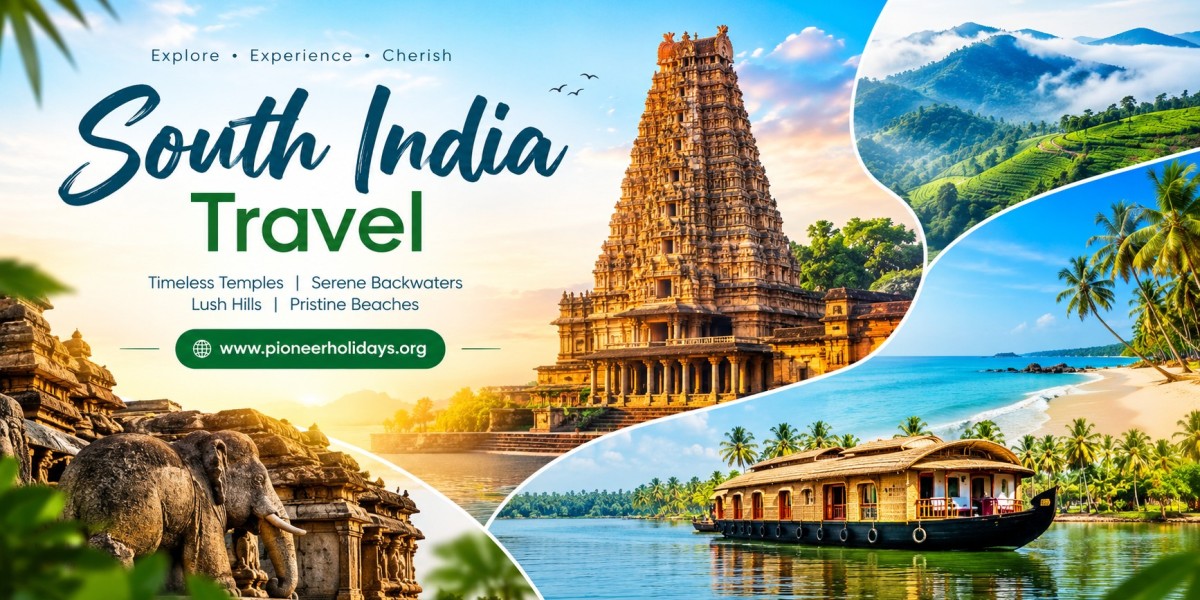

Choosing the right travel season can make a big difference to your holiday in southern India. Comfortable temperatures, manageable crowds, and suitable weather can help you enjoy ancient temples, green tea plantations, wildlife reserves, and beautiful beaches without feeling rushed or exhausted. For international visitors, planning ahead also makes it easier to coordinate flights, hotels, and transport between destinations.
When comparing South India Tour Packages, consider both the time of year and the experiences you want most. Kerala's backwaters, Tamil Nadu's temple towns, and Karnataka's hill stations do not always have identical weather conditions. Understanding these differences will help you choose dates that suit your travel style.
1. October to March: A Popular Season for Sightseeing
For many travelers, October to March is a comfortable period to explore several parts of South India. Temperatures are often more pleasant than during the hottest months, making sightseeing, city walks, and outdoor excursions easier.
This season can work well for visiting destinations such as Kochi, Madurai, Mysuru, and Munnar. It is also suitable for travelers who want to combine cultural attractions with beaches and scenic drives.
However, weather varies by location. Tamil Nadu's northeast monsoon can bring rain during parts of October, November, and December, while coastal areas may remain humid even in the cooler months. Check local forecasts for your exact travel dates rather than assuming every destination will have the same conditions.
Because this is a popular travel period, reserve accommodation and important transport arrangements early, especially around Christmas, New Year, and major festivals.
2. April to June: Plan Around Heat and Hill Stations
April to June can be hot in many lowland cities, particularly in Tamil Nadu and parts of Karnataka. Walking around temple complexes during the afternoon may feel tiring, so travelers visiting during this period should plan activities carefully.
Start outdoor sightseeing early in the morning, take a break during the hottest hours, and resume later in the day when conditions are more comfortable. Carry water, use sun protection, and choose breathable clothing.
This period can also be attractive for visitors who want to spend time in hill stations. Munnar, Ooty, and Coonoor generally offer cooler conditions than nearby lowland cities, although temperatures and rainfall vary.
If you prefer a slower holiday, consider spending additional nights in the hills rather than including several long road journeys. This gives you more time to enjoy viewpoints, plantations, gardens, and local walks without constantly changing hotels.
3. June to September: Understand the Monsoon Season
The southwest monsoon typically affects Kerala and the Western Ghats from around June, with rainfall patterns varying from year to year. Rain can transform the landscape, making forests, waterfalls, and tea-growing regions especially lush. However, heavy showers may disrupt outdoor activities and lengthen road journeys.
Monsoon travel can suit visitors who enjoy green scenery, quieter attractions, and a flexible itinerary. It may be less suitable for anyone whose main priority is spending long days on the beach or following a tightly scheduled sightseeing plan.
Before booking, check seasonal conditions for each destination. Heavy rain can occasionally affect hiking routes, wildlife excursions, and access to particular attractions. Choose accommodation with comfortable indoor facilities and allow spare time in your schedule.
Travelers considering nature-focused itineraries, such as a 6 Days South India Wildlife Tour or a 14 Days Kerala Wildlife Tour, should confirm the operating season and availability of individual activities before finalizing plans.
4. When Should You Book Your Tour?
The best time to make a reservation is not always the same as the best season to travel. If you plan to visit during the popular October-to-March period, booking several months in advance is a sensible approach, particularly when your dates include holidays or festivals.
Early planning gives you more choice of hotels, room categories, and transport arrangements. It also makes it easier to coordinate a multi-city journey without unnecessary backtracking.
Your ideal trip length depends on the destinations you want to include:
Seven days: A focused Kerala itinerary can combine a few highlights without trying to cover the entire region. Consider a 7 Days Kerala Tour as a reference when planning your route.
Nine to ten days: More time allows a relaxed pace, additional sightseeing, or extra nights in selected destinations. Compare a 9 Days Kerala Tour with a 10 Days Kerala Tour.
Thirteen days or more: Travelers interested in temple architecture and regional heritage can allow additional time for cultural stops. A 13 Days South India Temple Tour is one itinerary option to explore.
For a broader journey across three states, a Tamil Nadu Kerala Karnataka Tour can help you compare the distances and experiences involved.
5. Match the Season to Your Travel Interests
Rather than choosing dates based on temperature alone, consider what you want to do.
For temple sightseeing: Plan visits for early morning or late afternoon when possible. Check temple opening hours, dress requirements, and festival schedules before setting your itinerary.
For beaches: The cooler months are often popular, but local sea conditions can vary. During the monsoon, rough seas may limit swimming or water activities, even when the beach looks appealing.
For hill stations: Cooler periods can be pleasant for scenic drives and walks. During rainy weather, keep plans flexible and check road conditions.
For a more distinctive stay: Accommodation can be part of the experience, particularly in historic properties or heritage settings. Travelers interested in a more refined atmosphere can explore Kerala with Luxury Heritage Hotels.
In every season, prioritize realistic driving times, comfortable accommodation, and enough free time to enjoy each destination. Travelers planning a customized itinerary can also review options from Pioneer Holidays when comparing routes and trip styles.
6. Frequently Asked Questions
Is winter the best time to visit South India?
October to March is a popular period for sightseeing in many destinations because conditions are often more comfortable. However, regional weather patterns differ, so check the forecast for your planned route.
Is South India worth visiting during the monsoon?
Yes, if you enjoy lush scenery and can adapt your plans to rain. Some outdoor activities may be limited, so check local conditions and keep your itinerary flexible.
How early should international travelers book?
For peak-season travel, booking flights and preferred accommodation several months ahead is advisable. Popular festivals and holiday periods may require even earlier planning.
Conclusion
The best time to book South India Tour Packages depends on your preferred destinations, weather comfort, and holiday priorities. October to March suits many sightseeing-focused trips, while summer can work well for hill-station stays and the monsoon may appeal to travelers seeking greener landscapes and flexible travel plans.
Plan around regional weather rather than treating South India as one uniform climate. Book popular accommodation early, allow realistic travel times, and choose an itinerary that gives you time to enjoy the journey. With these preparations, you can experience southern India's temples, beaches, hill stations, and cultural heritage more comfortably.