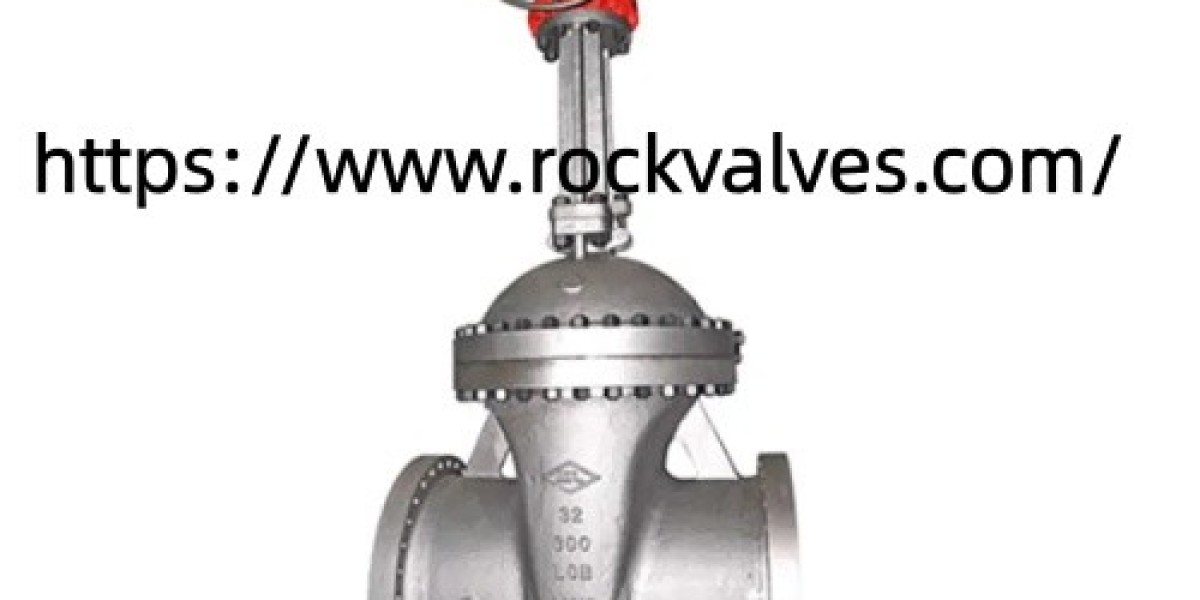

GB Standard Cast Steel Gate Valve selection begins with a clear understanding of the pipeline conditions, project specifications, and installation requirements. For industrial buyers, choosing the right equipment involves more than checking a catalogue description. Pressure ratings, material grades, connection dimensions, and inspection procedures all influence whether a product suits the intended application. Preparing a detailed inquiry helps manufacturers assess technical requirements and gives purchasing teams a reliable basis for comparing quotations.
The first point to review is the operating environment. Buyers should identify the working medium, normal operating pressure, design pressure, temperature range, and expected changes during startup or shutdown. Water supply networks, power generation facilities, and petrochemical plants can have very different service conditions. A configuration suitable for one application may not meet the requirements of another. Providing accurate process information allows the manufacturer to evaluate the requested design and identify questions that need clarification before production begins.
Material selection deserves careful consideration. Different grades of carbon and alloy materials offer varying mechanical properties and temperature capabilities. Corrosion resistance also depends on the fluid composition and surrounding environment. Buyers should specify the required body, bonnet, stem, and internal component materials where applicable. If a project requires particular material certificates or traceability records, these documents should be included in the purchasing specification. This makes it easier to check whether the delivered equipment matches the approved technical requirements.
Dimensional compatibility is another important factor. The nominal diameter, face to face length, flange dimensions, pressure class, and connection type should correspond with the piping drawings. Buyers replacing existing equipment should measure the available installation space and verify the original connection details. A dimensional mismatch can lead to additional fabrication work, installation delays, or unexpected costs. Requesting a detailed drawing from the supplier before confirming the order gives engineers an opportunity to review the proposed arrangement and resolve discrepancies early.
Applicable Chinese industrial specifications should also be identified clearly. GB/T 12234-2019 covers bolted bonnet steel gate valves for petroleum and natural gas industries, while other applications may require different product specifications. Buyers should confirm the relevant document, edition, scope, and contractual requirements instead of assuming that one specification applies to every industrial installation. It is equally important to distinguish between design requirements, dimensional requirements, material requirements, and testing procedures when preparing a technical inquiry.
Inspection arrangements should be discussed before manufacturing starts. Depending on the project, buyers may request visual examination, dimensional verification, pressure testing, material certificates, and inspection reports. Some contracts also require third party inspection or witness points at designated production stages. These arrangements should be agreed upon in writing, including the acceptance criteria and documents required before shipment. Clear inspection instructions help both parties understand their responsibilities and reduce uncertainty during final product approval.
The operating mechanism and maintenance arrangements should not be overlooked. Handwheel operation may be suitable for certain installations, while a gearbox or electric actuator may be required when operating force, accessibility, or remote control is a concern. Engineers should consider the available clearance around the equipment and the space needed for routine servicing. They should also ask about replacement parts, packing materials, and maintenance instructions. Addressing these issues during procurement can help facility teams prepare for future service work.
Supplier communication plays an important role in the ordering process. A complete inquiry should include the required quantity, process data, drawings, material grades, connection details, applicable specifications, inspection requirements, and delivery schedule. If the project includes special coating, marking, packaging, or preservation instructions, these should also be documented. Buyers can then compare quotations according to consistent technical and commercial criteria rather than relying on price alone.
Rockv provides industrial flow control product options for buyers to evaluate against their project requirements. Before placing an order, procurement teams can organize their technical documents, confirm the intended operating conditions, and review the proposed configuration with the supplier. This approach helps clarify product suitability and identify the documentation needed for delivery. To review available products and discuss your application, visit https://www.rockvalves.com/product/ and use the product catalogue as a starting point for your inquiry. Careful preparation can support smoother purchasing, installation coordination, and ongoing maintenance planning.




