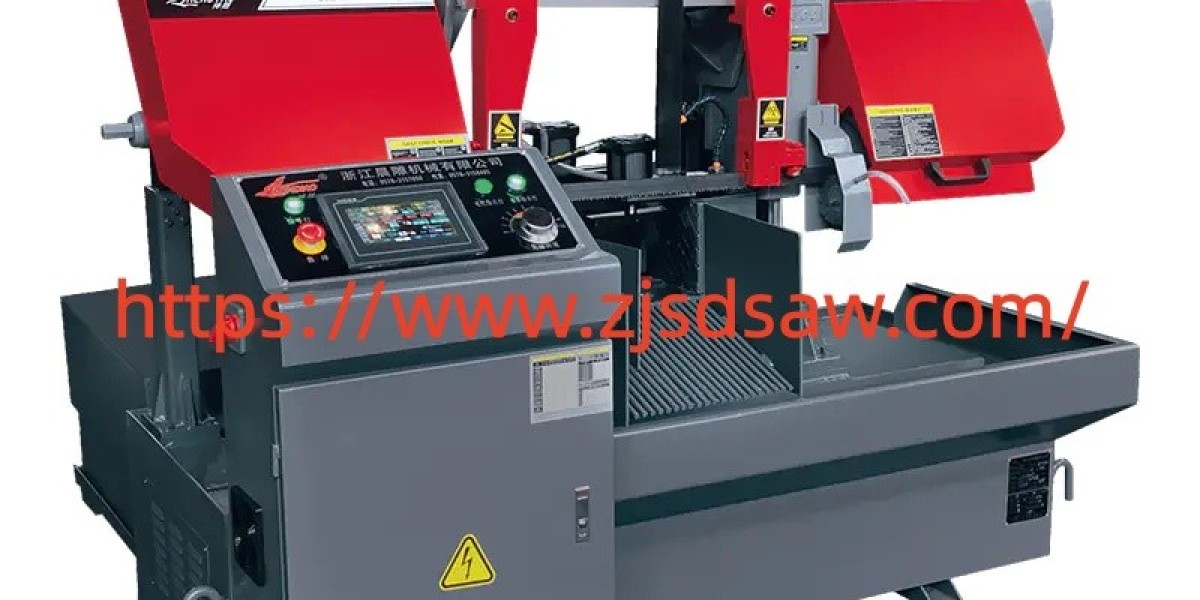

Horizontal Metal Cutting Band Saw Machine operating costs depend on several factors that buyers should evaluate before making a purchasing decision. The initial quotation is only one part of the total expense. Blade consumption, electricity, cooling fluid, labor, maintenance, and production interruptions can all affect the cost of processing each workpiece. For manufacturers, understanding these expenses helps create a realistic budget and select equipment that fits daily production requirements.
Blade consumption is often an important consideration for workshops that process metal regularly. Different materials place different demands on cutting tools. Stainless steel, carbon steel, aluminum, and solid metal bars may require different blade specifications and operating settings. Using an unsuitable blade can contribute to premature wear, uneven cuts, or unnecessary replacement expenses. Buyers should ask suppliers about recommended blade types, available sizes, and replacement procedures. Reviewing these details before ordering makes it easier to estimate recurring tooling costs.
Operating settings also influence expenditure. Cutting speed and feed pressure should match the material, workpiece dimensions, and blade specifications. If the settings are unsuitable, processing may take longer or place additional stress on the cutting tool. Operators should follow the equipment instructions and adjust parameters according to the actual application. A practical trial using representative materials can help manufacturers evaluate processing time, finished dimensions, and blade condition before introducing the equipment into regular production.
Electricity is another cost worth considering, particularly in factories that operate several shifts each day. Motor power, auxiliary systems, operating hours, and idle time all contribute to energy consumption. A machine that remains powered during lengthy setup periods may consume energy without producing finished components. Buyers can ask for the rated power and consider how the equipment will be used throughout a typical shift. Organizing work orders and preparing materials in advance may also help reduce unnecessary idle periods.
Cooling fluid and lubrication require regular attention. Depending on the equipment design and material being processed, these systems help manage heat, support lubrication, and remove chips from the cutting area. Fluid that becomes contaminated or falls below the recommended level may affect operating conditions and increase maintenance needs. Workshops should understand the appropriate fluid specifications, inspection intervals, and replacement procedures. The purchasing budget should include both the cost of supplies and the time required to maintain the system.
Labor costs are closely connected to the production process. Manual loading, workpiece measurement, positioning, and repeated adjustments can require substantial operator attention when processing large batches. Depending on the selected configuration, automatic feeding or programmable positioning may reduce some repetitive tasks. However, these functions also affect the purchase price and may require additional training. Buyers should compare the expected workload with the available features to determine whether automation addresses a genuine operational need.
Maintenance expenses should be considered before the machine arrives. Routine inspections may involve blade tension, guide components, lubrication points, clamping mechanisms, and electrical systems. Following the recommended service schedule can help identify developing problems before they interrupt production. Buyers should also check whether replacement parts are available, what warranty coverage applies, and how technical assistance can be requested. Clear service arrangements are particularly useful for manufacturers working with fixed delivery schedules.
Production interruptions can create costs beyond the repair itself. A machine that stops unexpectedly may delay work orders, disrupt material handling, and leave employees waiting for the next operation. Keeping suitable consumables available and training operators to recognize common maintenance issues can help workshops prepare for routine servicing. When comparing suppliers, ask about installation support, operating documentation, and the recommended maintenance plan. These practical details deserve attention alongside the initial quotation.
Manufacturers should compare the total expected expense with the number of parts produced over a defined period. Consider tooling, electricity, cooling supplies, labor, servicing, and anticipated downtime together rather than evaluating each expense in isolation. Chendiao provides industrial sawing equipment options for businesses with different production requirements. Buyers can review available models and product details at https://www.zjsdsaw.com/product/ to identify configurations worth discussing with the supplier. By sharing information about materials, cutting dimensions, production volume, and operating schedules, manufacturers can evaluate equipment options more carefully and develop a purchasing plan suited to their budget and workshop needs.