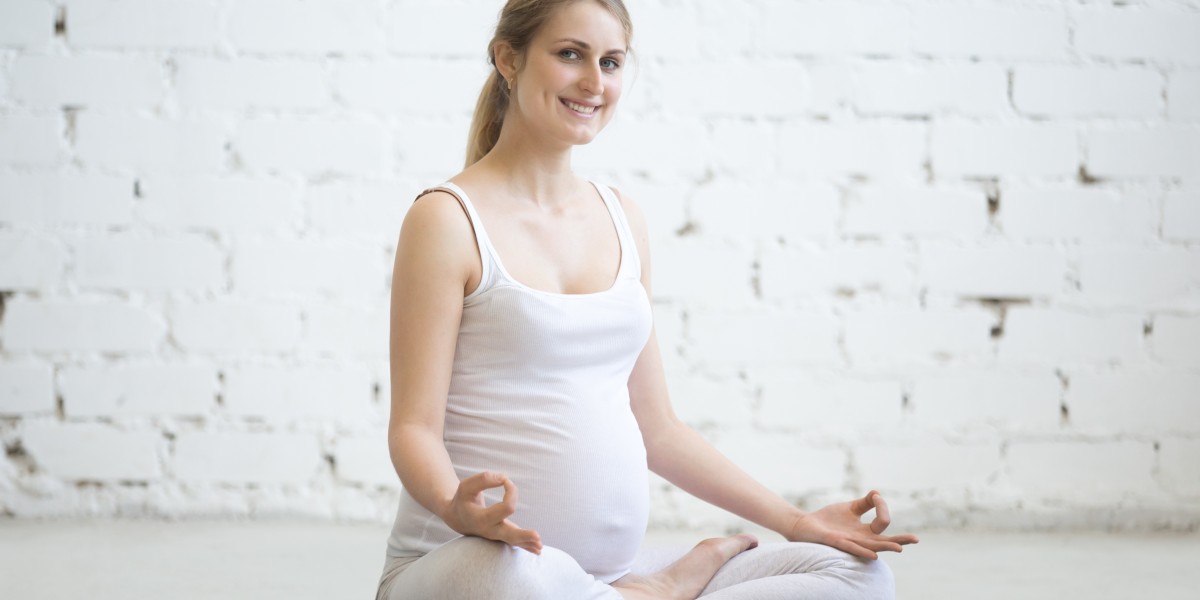

Returning to work after childbirth can be a major transition for new mothers. Along with professional responsibilities, they may be adjusting to changes in their bodies, interrupted sleep, breastfeeding routines, and the demands of caring for a newborn. Finding time for personal well-being can feel difficult when the day is already full of responsibilities.
Postnatal yoga for working mothers can be one way to make time for gentle movement, relaxation, and body awareness after delivery. When practised at the right time and with appropriate guidance, it can become a manageable part of a new mother's daily routine.
However, every mother's recovery is different. Understanding when to begin, which practices may be suitable, and how to balance yoga with work and childcare is essential.
What Is Postnatal Yoga?
Postnatal yoga is a form of yoga adapted for mothers recovering after childbirth. It may include gentle stretches, breathing exercises, relaxation techniques, and gradual movement designed to suit a mother's recovery stage.
Unlike a regular fitness routine, postnatal yoga should take into account changes that occur during pregnancy and childbirth, including abdominal muscle changes, pelvic floor recovery, and fatigue.
For working mothers, the goal is not to return to their pre-pregnancy fitness level quickly. Instead, it is to develop a comfortable and sustainable routine that supports overall well-being.
1. Understanding the Benefits of Postnatal Yoga
The weeks and months after childbirth can bring physical and emotional changes. Gentle yoga may help some mothers make time for movement and relaxation.
Supports Gentle Physical Recovery
Pregnancy and childbirth can affect posture, abdominal muscles, and the pelvic floor. Appropriately adapted postnatal yoga may help mothers gradually rebuild movement confidence and body awareness.
However, recovery exercises should match the mother's individual needs. Mothers experiencing pelvic pain, abdominal separation, urinary leakage, or a feeling of heaviness in the pelvic area may benefit from assessment by a qualified pelvic health physiotherapist.
Encourages Relaxation
Balancing work, childcare, and household responsibilities can feel overwhelming. Gentle breathing and relaxation exercises may offer a short break from everyday demands.
Even a few minutes of quiet breathing can help a mother create space for herself during a busy day.
Helps Improve Body Awareness
Carrying a baby, breastfeeding, working at a desk, and using a phone can contribute to uncomfortable postures. Gentle, suitable movements may help mothers become more aware of their posture and movement habits.
Creates Personal Time
New mothers often prioritise everyone else's needs before their own. A short yoga routine can become a regular opportunity to focus on personal well-being without requiring a long workout.
2. When Should Working Mothers Start Postnatal Yoga?
There is no single timeline that suits every mother. The appropriate time to begin depends on the type of delivery, healing, complications, and individual health.
After an uncomplicated vaginal birth, gentle breathing and comfortable movement may be appropriate relatively early. More structured exercise should be introduced gradually as recovery progresses.
After a C-section or a complicated delivery, mothers may need additional healing time and personalised medical advice before starting yoga.
Before beginning a routine, discuss exercise with your healthcare professional, especially if you experienced significant bleeding, infection, high blood pressure complications, severe pain, or other delivery-related concerns.
Stop exercising and seek medical advice if you experience increased bleeding, dizziness, chest pain, unusual shortness of breath, or worsening pain.
3. Simple Post pregnancy Yoga Practices for Busy Mothers
Working mothers do not necessarily need a long session to start building a wellness routine. Once cleared for the relevant movements, they can begin with gentle practices suited to their recovery.
Deep breathing: Sit comfortably with your back supported. Breathe slowly without forcing the breath or holding it for long periods.
Gentle shoulder rolls: Move your shoulders slowly in a comfortable range to ease stiffness associated with feeding or desk work.
Gentle seated stretches: Stretch within a pain-free range, keeping your movements controlled and avoiding excessive twisting.
Comfortable walking: Short walks can provide a simple way to reintroduce physical activity, depending on your recovery and healthcare advice.
Relaxation: Spend a few minutes resting in a comfortable position, allowing your breathing to settle.
Avoid intense abdominal exercises, forceful twisting, or movements that create pressure, pain, or discomfort. A qualified postnatal yoga instructor can help adapt the routine to your needs.
4. How to Fit Postnatal Yoga into a Busy Work Schedule
Finding time is often one of the biggest challenges for working mothers. Instead of aiming for a long daily session, start with a routine that fits your existing schedule.
Before work: Try five minutes of gentle breathing or comfortable stretching.
During a break: Take a short walk or practise a few shoulder movements.
After work: Set aside a brief relaxation period before moving on to household responsibilities.
On weekends: Consider a longer guided session if your energy levels and recovery allow it.
Choose a realistic schedule rather than following a strict routine that creates additional pressure. Some days may be busier than others, and rest is also an important part of recovery.
5. Managing Work, Breastfeeding, and Personal Well-Being
Returning to work while breastfeeding can require additional planning. Mothers may need to coordinate feeding schedules, milk expression, childcare, and professional commitments.
A few practical steps may help:
Plan feeding or milk-expression breaks according to your needs.
Keep water and nutritious snacks accessible.
Choose comfortable clothing for work and movement.
Ask your employer about suitable flexibility and private facilities where available.
Avoid exercising to the point of exhaustion, particularly when sleep is limited.
Yoga should fit around your recovery and responsibilities, not become another task that makes you feel pressured.
6. Common Postnatal Yoga Mistakes to Avoid
New mothers may feel pressure to regain their previous fitness level quickly. However, rushing recovery can make exercise uncomfortable or unsuitable.
Avoid these common mistakes:
Starting intense exercise before receiving appropriate guidance.
Comparing your recovery with other mothers.
Ignoring pain, unusual bleeding, or pelvic floor symptoms.
Holding your breath or forcing difficult poses.
Practising when you are exhausted or unwell.
Following online routines that are not designed for postnatal recovery.
Progress should be gradual and based on how your body responds. If a movement causes discomfort, stop and seek professional advice when needed.
7. Can Online Postnatal Yoga Classes Help Working Mothers?
Online postnatal yoga classes can offer flexibility for mothers managing work and childcare. They may allow participants to practise at home without travelling to a studio.
When choosing a class, look for an instructor with relevant postnatal yoga training who explains modifications, respects individual recovery timelines, and encourages participants to stop when something feels uncomfortable.
A suitable class should not promise rapid weight loss or guaranteed recovery. Mothers with medical complications or persistent symptoms should seek individual healthcare guidance rather than relying on online classes alone.
Conclusion
Postnatal yoga recovery is a gradual process, and working mothers deserve time and support to adjust to life after childbirth. Postnatal yoga can offer an opportunity for gentle movement, relaxation, and body awareness when it is appropriate for the mother's recovery.
Start with realistic goals, listen to your body, and seek professional guidance before progressing to more demanding exercises. Combining suitable movement with rest, balanced nutrition, and practical workplace support can help mothers build a routine that fits their changing needs.
Remember, the aim of postnatal yoga is not to rush your recovery. It is to make space for your well-being while you navigate work, motherhood, and everyday life.