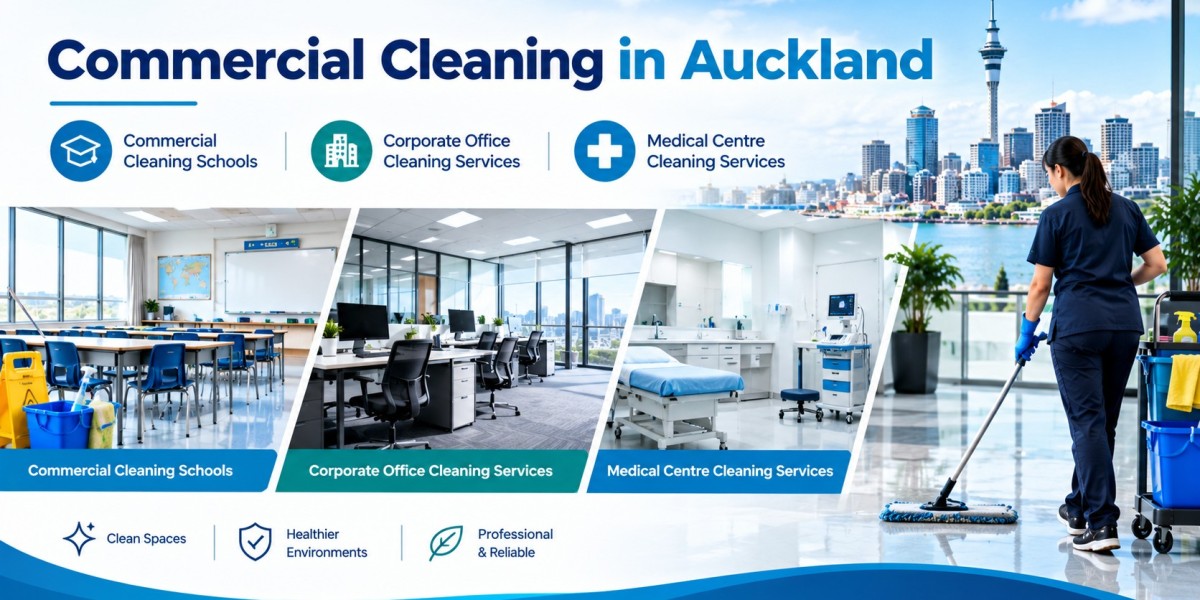

Commercial Cleaning in Auckland for Healthier Workplaces
Introduction to Commercial Cleaning in Auckland
A clean building speaks before anyone opens their mouth. The reception desk is clear, the washrooms smell fresh and the floors have no scuffs. When standards slip, people notice that too. Commercial cleaning in Auckland covers the daily work that keeps schools, offices and medical centres in good order, so the people inside can focus on their jobs.
A primary school and a dental practice need very different things. One deals with muddy shoes and lunch crumbs, the other with strict hygiene routines. Good cleaners adjust their methods, products and timing to suit the premises.
Why Professional Commercial Cleaning Matters
Many businesses begin by asking staff to tidy up at the end of the day. It works for a while, until deadlines get tight and the washrooms or carpets get skipped. Professional cleaners follow a checklist and bring equipment that most workplaces don't own. Businesses that use commercial cleaning in Auckland get a reliable routine without having to manage it themselves.
Here is what a regular service usually delivers:
- Organised, tidy workspaces
- Less dust and everyday dirt
- Hygienic shared facilities
- A good first impression for visitors
- Comfortable surroundings for staff
- Longer life for floors, carpets and furniture
Creating a Clean and Welcoming Environment
Staff, clients and visitors all form opinions from small details. A spotless entrance and a fresh meeting room tell people you care about the place. Employees feel it too. Most people take more pride in a workplace that someone looks after.
Maintaining Consistent Cleaning Standards
One great clean means little if the next visit falls short. Look for trained staff, a written schedule, regular quality checks and a contact person who answers your calls. Those four things keep standards steady from week to week.
Commercial Cleaning Schools and Educational Facilities
Principals and business managers who look into commercial cleaning schools can depend on tend to want the same things: reliable routines, minimal disruption and a tidy building for students and teachers. Schools and early childhood centres see heavy use every day, so cleaning gaps show up quickly.
A typical education cleaning plan covers:
- Classroom floors and desks
- Corridors and common areas
- Washrooms
- Reception and staffrooms
- Rubbish and recycling removal
- Door handles, handrails and other touched surfaces
Cleaners usually work outside teaching hours. Rooms are ready before the first bell, and nobody has to step around a mop bucket during class.
Keeping Classrooms Clean and Organised
Classrooms take a beating. Chairs get dragged across the floor, pencil shavings end up under desks and glue sticks leave their mark on tables. A nightly clean resets the room so teachers can start the day teaching instead of tidying.
Cleaning Shared Educational Facilities
Libraries, staffrooms, entrances and halls get used by everyone, which often means they get cleaned by no one in particular. Give each shared area its own line on the cleaning plan. A staffroom kitchen needs attention far more often than a storage room.
Flexible Cleaning Schedules for Schools
A school year has a rhythm. Term time calls for daily cleaning, while the holidays leave room for deeper work like carpet cleaning and floor polishing. Share your calendar with your provider, including sports days, parent evenings and community events, so they can plan around it.
Corporate Office Cleaning Services for Modern Businesses
Corporate office cleaning services go well beyond emptying the bins. A small accounting firm, a coworking space and a multi-storey commercial building all rely on the same basics: a tidy environment where people want to spend their day.
Cleaners usually look after:
- Desks and workstations
- Reception and waiting areas
- Meeting and conference rooms
- Kitchenettes and break rooms
- Washrooms
- Vacuuming and floor care
- Rubbish removal
- Light switches, door handles and other high-touch surfaces
Daily Office Cleaning Tasks
Daily visits keep an office ready for whoever walks in. Staff arrive to clear desks, empty bins and clean bathrooms. A client turning up for a nine o'clock meeting sees a clean boardroom instead of yesterday's coffee cups.
Maintaining Office Floors and Carpets
Floors carry the most wear in any building. Carpet needs regular vacuuming, stain treatment and the occasional deep clean. Hard floors need mopping with a product that suits the surface. The wrong cleaner can leave timber or vinyl dull and damaged, so ask your provider what they use.
Cleaning Shared Office Facilities
Kitchens, meeting rooms, lifts and washrooms get shared by everyone. That makes them the first places people complain about when cleaning slips. Check that your plan names each one and says how often it gets attention.
Supporting a Productive Workplace
A tidy desk area and a fresh kitchen won't make anyone work faster by themselves. They do remove small annoyances, and fewer annoyances mean fewer distractions. Staff spend their time on tasks instead of wiping benches.
Medical Centre Cleaning Services and Healthcare Hygiene
Medical centre cleaning services call for more care than a standard office clean. Patients arrive unwell or anxious, and they pay close attention to the state of the waiting room and washrooms. Medical centres, dental practices and clinics need consistent procedures that cleaners follow every visit.
Key areas include:
- Reception and waiting rooms
- Consultation rooms
- Treatment areas
- Washrooms
- Frequently touched surfaces
- Cleaning and disinfection using suitable products
- Safe handling and storage of cleaning products
- Waste handling that follows the facility's own procedures
Cleaning High-Touch Surfaces
Door handles, reception counters, chair arms and light switches get touched all day by many people. Cleaners wipe and disinfect these on a set schedule, using products that suit each surface. Ask your provider how often they cover these spots and which products they use.
Preventing Cross-Contamination
Cleaners who move from a washroom to a consultation room with the same cloth spread dirt around instead of removing it. Separate equipment for different areas, such as colour-coded cloths and mops, helps avoid that. Ask any provider you're considering how they handle this.
Following Healthcare Cleaning Procedures
Every clinic has its own hygiene requirements. Your cleaners should follow your facility's procedures, relevant New Zealand guidance and the manufacturer's instructions for each product. Share your protocols at the start and check that everyone on the team has read them.
Cleaning Around Patient Appointments
Early mornings, evenings and lunch breaks usually work best. Cleaners can finish treatment rooms before the first patient arrives or after the last one leaves. If your practice runs late clinics or Saturday sessions, say so when you set up the schedule.
How to Choose a Commercial Cleaning Provider in Auckland
Cleaning companies work in different ways, so a little comparison pays off. Look at what each one offers and whether it fits your premises. Ask about:
- Staff training and screening
- Experience with similar commercial properties
- Health and safety procedures
- Flexible cleaning schedules
- Clear service agreements
- Regular quality inspections
- Communication and customer support
- A cleaning plan built around your needs
Why Customised Cleaning Plans Matter
A school, a corporate office and a medical centre have different priorities. A school needs robust cleaning that copes with large groups of children. An office needs quiet, discreet visits. A medical centre needs documented procedures. One standard package can't cover all three, so ask for a plan written for your site.
Questions to Ask a Provider
Treat the first conversation like an interview. You want a team that listens, explains and gives straight answers.
Staff and Safety
Ask who will clean your building and how the company prepares them. Find out what happens if a cleaner is sick or a problem comes up.
Training Records and Screening
Request details on how the company trains and screens its staff. A reputable provider will share this without hesitation.
Factors That Affect Commercial Cleaning Costs
Cleaning prices vary because every building is different. A quote for commercial cleaning in Auckland usually reflects:
- Size of the premises
- Cleaning frequency
- Number of rooms and facilities
- Type of commercial property
- Level of cleaning required
- After-hours arrangements
- Extras such as carpet cleaning or floor polishing
Ask for a quote based on your actual site. A provider who has walked through the building will give you a more accurate figure than one who guesses over the phone. Treat any price offered without questions about your premises with caution.
Conclusion
Clean schools, offices and medical centres make a good impression and give people a better place to learn, work and visit. Each type of property has its own needs, from classroom desks to boardroom tables to clinic waiting rooms. Commercial Cleaning in Auckland can be matched to those needs through a plan built around your premises and your hours.
Start by listing what your building needs and when cleaners can get in. Compare a few providers, ask plenty of questions and request a customised quote. A cleaning plan that suits your space will keep it looking good and working well long after the first visit.