
Lighting is one of the most important elements of interior design, yet it is often considered only after the furniture, colours, and finishes have been selected. In reality, lighting plays a significant role in how a home looks, feels, and functions. It can make a compact room appear more spacious, highlight architectural details, create a relaxing atmosphere, and make everyday activities more comfortable.
A well-lit home is not simply a bright home. It is a space where different types of lighting work together to support the needs of the people living in it. From preparing meals in the kitchen to relaxing in the living room or getting ready in the bedroom, each space requires a thoughtful lighting plan.
So, how do you design lighting that balances ambiance and functionality? The key is to understand the purpose of each room, combine different lighting techniques, choose suitable fixtures, and plan the placement of lights carefully. Here are some practical tips compiled by our interior designers in Kottayam to help you set up the perfect lighting for your home interiors.
1. Understand the Three Main Types of Lighting
A successful lighting design usually combines three essential types of lighting: ambient, task, and accent lighting. Each serves a different purpose, and using them together creates a balanced and comfortable environment.
Ambient Lighting: The Foundation of Every Room
Ambient lighting provides the general illumination required to move around a room comfortably. It creates the overall brightness of a space and helps establish its atmosphere.
Common ambient lighting options include ceiling-mounted lights, recessed downlights, chandeliers, and indirect cove lighting.
For example, recessed ceiling lights can provide even illumination in a living room, while a pendant light or ceiling fixture may work well in a dining area. Cove lighting can create a softer, more relaxing effect by reflecting light off the ceiling.
When planning ambient lighting, consider the room's size, ceiling height, natural light, and intended use. The goal is to achieve comfortable, balanced illumination without creating harsh glare or overly bright areas.
Task Lighting: Supporting Everyday Activities
Task lighting provides focused illumination for activities that require greater visibility. It is particularly useful in areas where people cook, read, work, study, or perform detailed tasks.
Examples include under-cabinet lights in kitchens, reading lamps beside beds, desk lamps in home offices, and mirror lighting in bathrooms.
Task lighting should be positioned to illuminate the work area effectively while minimising shadows and glare. For instance, under-cabinet lighting can brighten kitchen countertops, making food preparation easier without relying entirely on overhead lights.
Accent Lighting: Adding Depth and Character
Accent lighting draws attention to specific features within a room. It can highlight artwork, textured walls, decorative objects, display shelves, or architectural details.
Wall washers, track lights, picture lights, and LED strip lights are commonly used for this purpose.
In a living room, accent lighting can emphasise a feature wall or a carefully selected piece of artwork. In a display cabinet, integrated lighting can make decorative objects stand out.
The key is to use accent lighting selectively. Highlighting a few important features often creates a more sophisticated result than illuminating every decorative element.
2. Plan Your Lighting According to Each Room
Every room has different lighting requirements. A single lighting arrangement may not be suitable for the entire home, so it is important to plan each space according to its function.
Living Room Lighting: Comfort Meets Style
The living room is often used for entertaining guests, watching television, reading, and spending time with family. Its lighting should therefore be flexible enough to accommodate different activities.
Start with ambient lighting to provide comfortable general illumination. Add floor lamps or table lamps for reading and relaxation, and use accent lighting to highlight artwork, shelving, or decorative features.
Dimmable lights can be particularly useful in living rooms. Bright lighting may be appropriate when cleaning or hosting guests, while softer lighting can create a relaxed atmosphere during the evening.
Avoid positioning bright lights where they reflect directly on television screens. A well-planned arrangement should provide sufficient illumination without causing distracting glare.
Kitchen Lighting: Prioritise Visibility and Safety
The kitchen requires careful lighting because it is a practical workspace where clear visibility is essential.
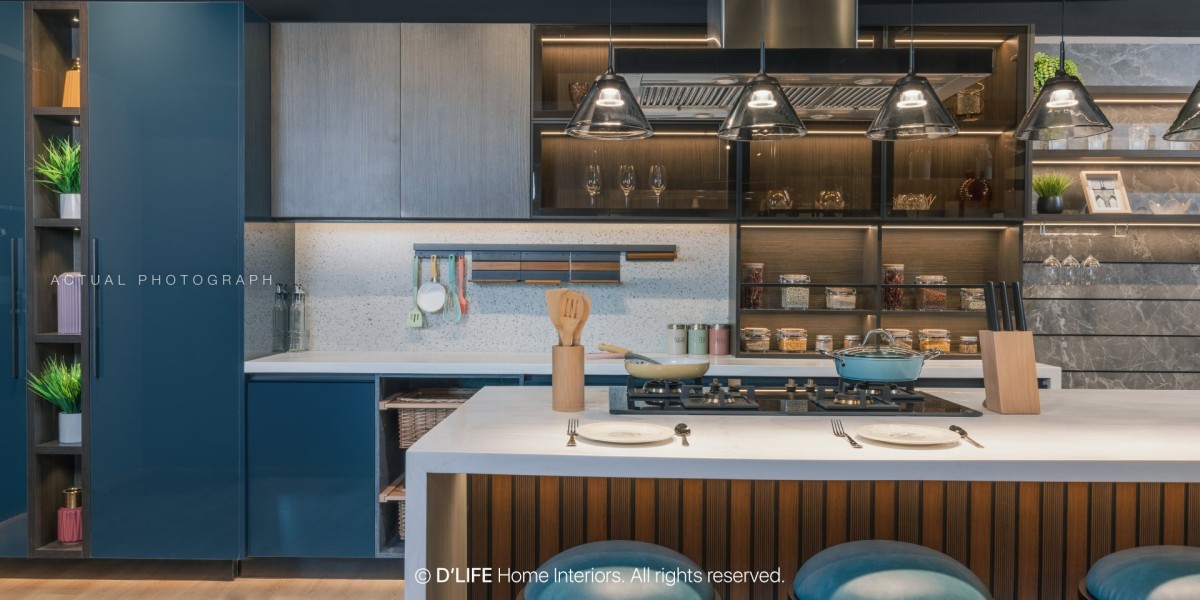
Combine general ceiling lighting with focused illumination over countertops, the sink, and the cooking area. Under-cabinet lights are especially useful because they illuminate work surfaces that may otherwise be shaded by overhead cabinets.
Pendant lights can provide both decorative appeal and useful illumination above an island or breakfast counter, provided they are positioned at an appropriate height.
Choose lighting that makes food preparation areas easy to see and clean. Also consider the placement of the chimney, cabinets, and appliances when deciding where lights should go.
Bedroom Lighting: Create a Relaxing Atmosphere
Bedroom lighting should support relaxation while providing enough illumination for everyday activities.
A combination of soft ambient lighting, bedside lamps, and wardrobe lighting can make the space both comfortable and practical. Wall-mounted reading lights can free up bedside table space, while integrated wardrobe lights make it easier to locate clothes.
Warm-white lighting is often preferred in bedrooms because it creates a cosy atmosphere. Dimmable fixtures also allow you to adjust the brightness according to your needs.
Avoid relying entirely on a single bright ceiling light. Multiple light sources provide greater flexibility and help make the bedroom feel more inviting.
Bathroom Lighting: Balance Clarity and Comfort
Bathrooms require lighting that supports grooming, skincare, shaving, and other daily routines.
General ceiling lighting should provide adequate illumination throughout the room. Additional lighting around the mirror can help reduce facial shadows and improve visibility.
Where possible, choose mirror lights or fixtures positioned to illuminate the face evenly rather than relying on a single light directly above the mirror.
Safety is especially important in bathrooms. Select fixtures with appropriate protection ratings for their location and follow local electrical requirements for wet and damp areas.
Home Office Lighting: Improve Visual Comfort
A home office needs lighting that supports concentration and reduces visual discomfort.
Combine ambient lighting with a desk lamp or other focused light source. Position the desk and lights to minimise glare on computer screens, and consider how daylight enters the room throughout the day.
If the desk is near a window, adjust the arrangement to avoid strong reflections or direct sunlight on the screen. Adjustable task lights can be useful because they allow you to direct illumination precisely where it is needed.
3. Make the Most of Natural Light
Artificial lighting is only one part of a good lighting plan. Natural light can make interiors feel more open, comfortable, and connected to the outdoors.
Consider window placement, curtain fabrics, room orientation, and the arrangement of furniture when planning your interiors.
Sheer curtains can allow daylight to enter while providing some privacy. Mirrors may help distribute existing light around a room when positioned thoughtfully, although their effect depends on the location of the windows and surrounding surfaces.
Avoid blocking windows with tall furniture wherever possible. In rooms with limited daylight, lighter wall colours and well-positioned artificial lighting can help create a brighter appearance.
Natural light changes throughout the day, so a lighting plan should account for both daytime and evening use.
4. Choose the Right Colour Temperature
Colour temperature influences how lighting affects the appearance and atmosphere of a room. It is measured in kelvins (K).
Warm-white lighting, generally around 2700K–3000K, creates a softer, more inviting appearance. It is often suitable for bedrooms, living rooms, and dining areas.
Neutral-white lighting, approximately 3500K–4000K, offers a more balanced appearance and can work well in kitchens, bathrooms, and work areas.
Cooler lighting, often around 5000K and above, appears more bluish and may be useful in certain specialised work environments. However, it can feel harsh in some residential interiors if used excessively.
These are general guidelines rather than strict rules. The best choice depends on the room, personal preference, finishes, and the type of activity being performed.
Consistency is also important. Using compatible colour temperatures in connected spaces helps maintain visual harmony, particularly in open-plan homes.
5. Use Lighting to Enhance Interior Design
Lighting can influence how colours, textures, furniture, and materials appear. The right arrangement can make a simple interior feel more refined without requiring major decorative changes.
For example, indirect lighting can emphasise the lines of a false ceiling, while wall-washing lights can reveal the texture of stone, wood, or decorative wall finishes.
Pendant lights can act as statement pieces above dining tables or kitchen islands. Slim LED profiles can add a contemporary touch to selected shelves, niches, or cabinets.
However, decorative lighting should complement the overall interior design rather than compete with it. Consider the proportions of the room, the style of the furniture, and the finishes already present.
Before finalising fixtures, review how their light will fall on surrounding surfaces. A beautiful fixture may not produce the desired effect if it is too large, poorly positioned, or unsuitable for the room.
6. Pay Attention to Light Placement and Brightness
Choosing attractive fixtures is only part of the process. Their placement and brightness are equally important.
A light positioned directly above a work surface may cast shadows depending on where the user stands. A pendant placed too low may obstruct views, while a recessed light positioned incorrectly can create unwanted glare.
Brightness should also match the task. Reading, cooking, and detailed work typically require more focused illumination than watching television or relaxing.
Lighting levels are often measured in lux, which describes the amount of light falling on a surface. Appropriate levels vary according to the activity, room, user, and applicable design guidance.
Rather than selecting bulbs based only on wattage, compare their lumen output, distribution, colour temperature, and glare characteristics.
For larger or more complex projects, a lighting plan can help coordinate fixture locations, switching, circuits, and illumination levels before installation begins.
7. Introduce Dimmers and Smart Lighting Controls
Lighting controls make it easier to adapt a room to different activities and times of day.
Dimmers allow you to adjust brightness without changing the fixtures. They can be particularly useful in living rooms, bedrooms, dining areas, and other spaces that serve multiple purposes.
Smart lighting systems offer additional options, such as scheduled lighting, app-based controls, voice commands, and preset scenes. For example, one setting might provide bright illumination for cleaning, while another creates a softer atmosphere for an evening gathering.
Before purchasing dimmable bulbs or smart fixtures, check compatibility with the switches, drivers, and control systems being used.
A well-designed control system should be convenient and intuitive. Complicated controls can reduce the practical benefits of an otherwise excellent lighting plan.
8. Select Energy-Efficient Lighting
Energy efficiency is another important consideration when designing home lighting. LED lights generally consume less electricity and last longer than traditional incandescent bulbs, making them a practical choice for many residential applications.
However, not all LED products offer the same performance. Consider light output, colour consistency, colour rendering, expected lifespan, warranty, and driver quality.
A good colour rendering index (CRI) helps colours appear more natural under artificial light. A CRI of 80 or above is a common baseline for many residential applications, while higher values may be preferable where accurate colour appearance is especially important.
Use lighting where it is needed rather than illuminating every part of a room at full brightness throughout the day. Combining efficient fixtures with suitable controls can help reduce unnecessary energy consumption.
9. Avoid Common Home Lighting Mistakes
Even a well-designed interior can feel uncomfortable if its lighting is poorly planned. Some common mistakes include:
Depending on a single ceiling light for the entire room.
Ignoring task lighting in kitchens, work areas, and bathrooms.
Choosing fixtures based only on appearance.
Using excessive brightness that causes glare.
Mixing colour temperatures without considering visual consistency.
Placing lights where furniture or cabinets block their illumination.
Installing decorative lights without considering their practical purpose.
Overlooking access for maintenance and replacement.
Failing to plan electrical points and controls before installation.
The best way to avoid these issues is to consider lighting early in the interior design process rather than treating it as a finishing touch.
10. Create a Lighting Plan Before Installation
Before purchasing fixtures, prepare a room-by-room lighting plan. Mark the locations of ambient, task, and accent lights, along with switches, dimmers, and other controls.
Review the plan alongside the furniture layout, false ceiling design, cabinetry, and electrical drawings. This is particularly important for kitchens, wardrobes, study areas, and other spaces where lighting must be integrated with built-in furniture.
A lighting plan also helps coordinate different contractors and reduces the likelihood of having to make expensive changes after installation.
Where possible, test samples of the selected lights against your wall colours, flooring, countertops, and cabinetry. Different materials reflect light differently, so testing can help you make more informed decisions.
For complex projects, consulting an interior designer or lighting professional can help ensure that the design meets both aesthetic and practical requirements.
Lighting design is about much more than illuminating a room. It shapes the atmosphere of a home, supports daily activities, highlights design details, and influences how comfortable a space feels.
By combining ambient, task, and accent lighting, choosing suitable colour temperatures, making the most of natural light, and planning fixture placement carefully, you can create interiors that are both beautiful and functional.
The most effective lighting plans are tailored to the way people live. A kitchen needs clear, focused illumination, a bedroom benefits from softer and more flexible lighting, and a living room often requires a combination of general and decorative light sources.
When lighting is considered from the beginning of the interior design process, every fixture can serve a purpose. The result is a home that not only looks inviting but also works beautifully throughout the day and into the evening.