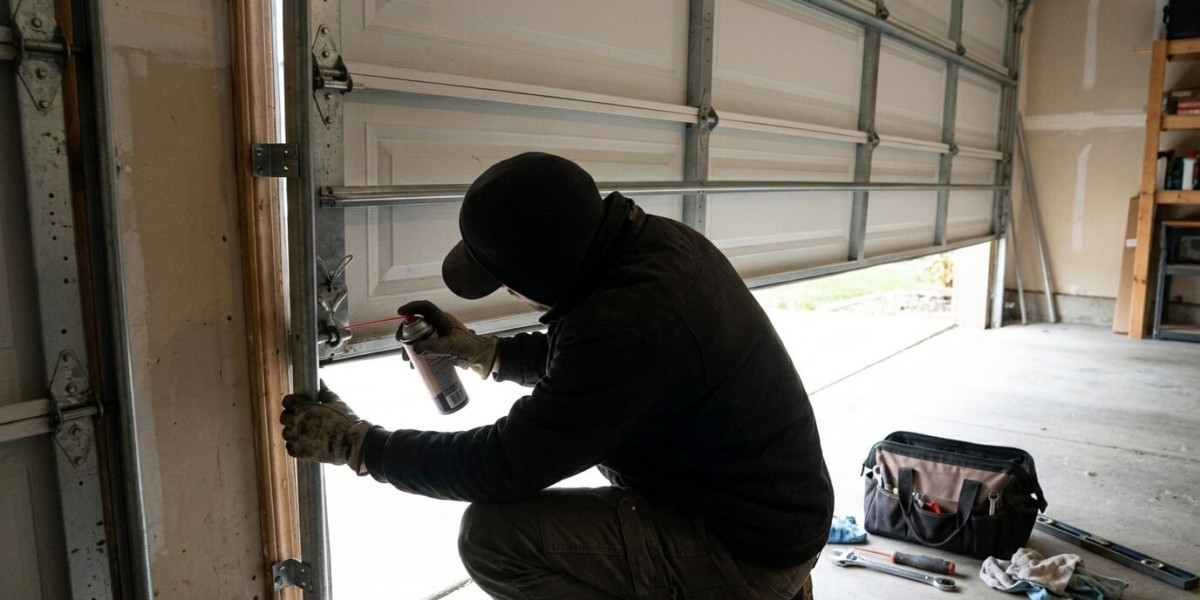

Most people service their cars on a schedule and replace HVAC filters without a second thought, yet the garage door, often the largest moving object in the house, tends to get attention only when it fails. A garage door tune up is a simple way to change that. It's a preventive inspection and adjustment visit designed to catch wear early, restore smooth operation, and keep the system safe.
This guide explains what a tune-up is, what it typically includes, why it matters, and how to decide how often you need one. It's written for homeowners and property owners in Pearland and the Greater Houston area, where humidity, heat, and everyday use put steady wear on garage door hardware.
What Is a Garage Door Tune-Up?
A tune-up is a routine, preventive service. Rather than responding to a specific breakdown, a technician inspects the whole system, tests how it's performing, and makes adjustments before small issues grow.
It differs from a repair in a simple way:
Tune-Up | Repair | |
Purpose | Prevent problems and optimize performance | Fix a specific failure |
Timing | Scheduled, on your terms | Often urgent and unplanned |
Scope | Whole system inspection and adjustment | Targeted to the failed part |
Outcome | Smoother, quieter, safer operation | Restored function |
A tune-up may uncover something that needs repair, but the goal is to find it early and plan accordingly.
Why Tune-Ups Matter
Safety
A garage door is heavy, and its springs, cables, and opener work under significant tension and force. Safety features such as auto-reverse and sensors protect people, pets, and property, but only if they're calibrated and working. A tune-up verifies those protections instead of assuming they're fine.
Catching Small Problems Early
Wear rarely announces itself loudly at first. Dry rollers, slightly loose hardware, early rust, or a door that's a little out of balance can go unnoticed for months. Over time, these increase strain on other components. A professional eye can spot the early signs that owners tend to miss.
Quieter, Smoother Operation
Many noise complaints trace back to friction, loose parts, or misalignment. Lubrication, tightening, and adjustment often make a noticeable difference in how the door sounds and moves.
Longer System Life
When parts work together smoothly, they wear more slowly. A balanced door puts less stress on the opener, and clean, lubricated hardware moves with less friction. Tune-ups don't make components last forever, but they help the system reach its natural lifespan instead of failing early.
Avoiding Expensive Surprises
Replacing a worn roller or tightening hardware costs little compared with repairing damage that results from neglect. Catching an issue during a scheduled visit also means you can plan the repair rather than react to a failure.
Peace of Mind
Knowing the door has been inspected, balanced, and tested takes some worry out of daily use, particularly for families who use the garage as their main entrance.
What a Tune-Up Typically Includes
Specifics vary by provider, but a thorough visit usually covers:
Inspection
Springs: wear, rust, gaps, and overall condition
Cables and pulleys or drums: fraying, rust, slack, and alignment
Rollers and hinges: wear, cracks, and looseness
Tracks: alignment, dents, and debris
Panels and weatherstripping: damage, gaps, and seal condition
Mounting hardware: loose bolts and brackets
Testing
Door balance: whether it stays in place when lifted partway
Auto-reverse: whether the door reverses on contact with an obstruction
Safety sensors: alignment and function
Opener operation: travel and force settings, remote response, and wall control function
Adjustment and Lubrication
Lubricating rollers, hinges, springs, and other moving parts as appropriate
Tightening loose hardware
Adjusting settings and alignment where needed
Reporting
A summary of findings, including anything worn or likely to need attention soon, so you can plan rather than guess
Signs You're Due for a Tune-Up
You don't need to wait for a calendar reminder. Consider scheduling a tune-up if you notice:
New or louder noises during operation
The door moving slower or more jerkily than before
The door looking uneven or sitting slightly crooked
The door feeling heavier than usual
Sensors that act up occasionally
Remotes that respond inconsistently
Visible rust or wear on springs, cables, or hardware
It's been a year or more since the last professional inspection
The door is older and has never been professionally serviced
Some of these, such as a crooked door or a very heavy door, can signal more than a tune-up can address, so a technician may recommend repairs after inspection.
How Often Should You Schedule One?
A common baseline is once a year, which fits most homes. Consider more frequent attention when:
The door is used many times a day
The system is older
You're in a humid or storm-prone area, as Houston-area homeowners are
The garage is a primary entrance
You manage rental or commercial properties with heavy use
Seasonal timing can help too. Many homeowners schedule a tune-up before storm season or after a particularly wet period.
Why the Houston Area Is Worth Special Attention
Local conditions make preventive care more valuable:
Humidity encourages rust on springs, cables, hinges, and fasteners
Heat can dry out lubricants and affect electronic components
Storms bring power surges, moisture, and outages that can affect openers and battery backup
Heavy use in busy households speeds up wear
None of this means failure is inevitable. It means that regular inspection tends to pay off more here than it might in a drier, milder climate.
DIY Maintenance vs. a Professional Tune-Up
Homeowners can and should do some upkeep between professional visits:
Reasonable to do yourself:
Test the auto-reverse feature monthly
Check sensor lights and clean the lenses
Listen for new noises
Lubricate rollers and hinges with a silicone-based lubricant every few months
Tighten visible loose hardware
Inspect weatherstripping
Replace remote and keypad batteries
Best left to a professional:
Anything involving springs or lift cables, which are under high tension
Balance adjustments
Opener setting calibration and electronics
Repairing off-track or crooked doors
Diagnosing noises or behavior you can't explain
A good rule of thumb: if it involves tension, electricity, or safety systems, a professional should handle it. Regular garage door maintenance at home complements a professional tune-up, but it doesn't replace one.
What to Expect When You Book
A typical visit looks like this:
A quick conversation about how the door has been behaving and any concerns
A full-system inspection of the door, hardware, and opener
Testing of balance, safety reversal, sensors, and controls
Lubrication and adjustments as needed
A plain-language summary of what was found, including any recommended repairs and their urgency
A written estimate for any additional work, before it begins
A tune-up shouldn't turn into a high-pressure sales pitch. A good provider explains what's urgent, what can wait, and what's simply worth monitoring.
Choosing a Provider for Tune-Ups
When you're comparing options, look for:
Licensing and insurance, confirmed directly
A clearly defined checklist of what the tune-up includes
Experience with your door and opener type
Transparent pricing and written estimates for any additional work
Clear warranty terms on parts and labor
Honest recommendations that distinguish urgent issues from watch-items
Local presence helps with scheduling, follow-up, and keeping a service history over the years. For homeowners in Pearland and surrounding areas, PowerLift Garage Doors, which provides garage door repair and maintenance across the Greater Houston area, is an example of the kind of local provider worth comparing. If you'd like to see how a focused provider describes what's included, reviewing a garage door tune up page can help you gauge whether the checklist matches the thorough inspection described above.
Tips for Property Managers and Landlords
If you oversee multiple doors, consider these habits:
Keep a simple log of tune-ups, repairs, and battery changes
Schedule seasonally, such as before storm season
Ask tenants to report noises, sticking, or slow operation early
Standardize where possible to simplify parts and service
Use inspection findings to plan replacements instead of reacting to failures
Frequently Asked Questions
Is a tune-up worth it if my door seems fine? Yes. Wear often develops gradually, and a door that seems fine can still be out of balance or have early rust or loose hardware that an inspection would catch.
How long does a typical tune-up take? It depends on the system and what's found, but many visits are relatively short. Ask your provider for an estimate when scheduling.
Does a tune-up fix a broken spring or cable? No. A tune-up identifies wear and adjusts the system. Broken springs or cables require repair, and a technician can explain your options if one is found.
Can I do a tune-up myself? You can handle basic upkeep, such as lubrication, sensor cleaning, and safety tests. Springs, cables, balance, and opener calibration are best left to a professional.
What's the best time of year for a tune-up? Anytime works, but many Houston-area homeowners schedule one before storm season or after a particularly wet period.
Will a tune-up reduce noise? Often, yes. Lubrication, tightening, and alignment commonly reduce noise caused by friction or loose parts.
How is a tune-up different from an inspection? An inspection looks for problems. A tune-up typically includes inspection plus lubrication, adjustment, and testing.
Final Thoughts
A garage door tune-up is one of the simplest and most cost-effective ways to protect a system that most households use every day. It improves safety, reduces noise, catches small problems early, and helps the door and opener last longer. Pair a yearly professional visit with a few minutes of monthly upkeep, and you'll turn most garage door surprises into scheduled, manageable tasks.