
Voltage fluctuations, sudden changes in the power supply, and inconsistent electricity can affect machine performance, interrupt production, and potentially damage sensitive equipment. To address these challenges, businesses need reliable voltage regulation solutions that maintain a consistent electrical supply.
A trusted Servo Voltage Stabilizer Manufacturer provides equipment designed to regulate voltage and support the safe, efficient operation of industrial machinery. These stabilizers are widely used in manufacturing plants, hospitals, commercial buildings, printing facilities, and other applications where stable voltage is important.
In India, industries operate under different electrical conditions, making voltage stabilization an important consideration for equipment protection. Choosing a suitable Industrial Voltage Stabilizer can help businesses improve power quality, reduce voltage-related disruptions, and support long-term operational efficiency.
What Is a Servo Voltage Stabilizer?
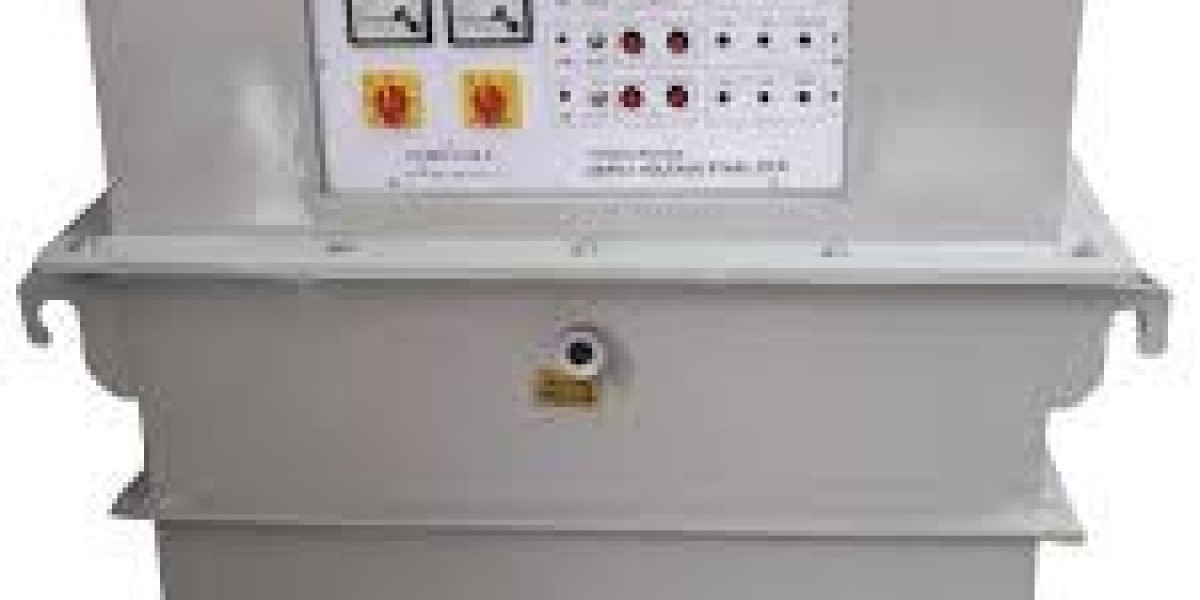
A servo voltage stabilizer is an electrical device that automatically regulates output voltage when the incoming supply voltage changes. It typically uses a servo motor, a control circuit, and a variable transformer arrangement to adjust the voltage and maintain the desired output within its specified operating range.
When the incoming voltage rises or falls, the control system detects the variation and adjusts the regulating mechanism accordingly. This helps provide a more consistent voltage supply to connected equipment.
Servo voltage stabilizers are available in different capacities and configurations to suit residential, commercial, and industrial requirements. Three-phase models are particularly useful for industrial machinery and large electrical installations.
A professional Servo Voltage Stabilizer Manufacturer can help businesses select equipment based on their voltage conditions, load requirements, and operating environment.
Importance of Servo Voltage Stabilizers in India
Voltage variations can create challenges for Indian industries that depend on reliable electricity for production and business operations. Equipment such as CNC machines, packaging systems, compressors, motors, and automated production lines may require voltage to remain within specified limits.
A properly selected servo stabilizer helps regulate incoming voltage and provides a more stable supply to connected loads.
Some important benefits include:
1. Protection Against Voltage Fluctuations
Voltage fluctuations can affect electrical equipment and interrupt industrial processes. A servo stabilizer helps maintain output voltage within its designed regulation range, reducing exposure to unsuitable input voltage conditions.
2. Improved Equipment Performance
Many industrial machines are designed to operate within specific voltage limits. Stable voltage can help these machines function as intended and reduce problems associated with excessive voltage variation.
3. Reduced Production Interruptions
Unexpected equipment faults can delay production schedules and affect business productivity. Appropriate voltage regulation can help reduce disruptions caused by voltage fluctuations.
4. Support for Sensitive Equipment
Laboratory instruments, medical equipment, printing machines, and automation systems may require consistent electrical conditions. A suitable stabilizer can support their operation when the incoming supply varies.
Role of an Industrial Voltage Stabilizer
An Industrial Voltage Stabilizer is designed to regulate voltage for industrial equipment and electrical systems. Depending on the application, it may be used to support individual machines, production lines, or larger industrial loads.
Industrial stabilizers are available in different capacities, including single-phase and three-phase configurations. Their selection depends on the connected load, input voltage range, required output voltage, and characteristics of the equipment being supplied.
Industries commonly use voltage stabilizers for CNC machinery, plastic processing equipment, textile machinery, printing systems, pharmaceutical production, and packaging operations.
Choosing the right stabilizer requires an understanding of the facility's electrical conditions. An undersized unit may struggle to handle the load, while an unsuitable configuration may not provide the required voltage regulation.
Working with an experienced Servo Voltage Stabilizer Manufacturer helps businesses identify equipment that matches their operating requirements.
Key Features to Consider When Choosing a Servo Voltage Stabilizer
Before purchasing a voltage stabilizer, businesses should evaluate several technical factors.
1. Capacity and Load Requirements
The stabilizer must support the total connected load. Businesses should consider equipment ratings, motor starting currents, power factor, and possible future expansion. A qualified electrical professional can help calculate the appropriate capacity.
2. Input Voltage Range
Different locations experience different levels of voltage variation. Selecting a stabilizer with a suitable input voltage range helps ensure that it can regulate voltage under the expected operating conditions.
3. Output Voltage Accuracy
Output voltage accuracy determines how closely the stabilizer maintains the desired voltage. Applications involving sensitive machinery may require tighter regulation than less demanding electrical loads.
4. Phase Configuration
Single-phase stabilizers may be suitable for smaller loads, while three-phase stabilizers are commonly used for industrial machinery. The correct configuration depends on the electrical supply and equipment specifications.
5. Safety and Protection Features
Depending on the model, stabilizers may include overload protection, high- and low-voltage cut-off, temperature protection, and other safety functions. These features should be reviewed against the application's requirements.
6. Maintenance and Service Support
Regular inspection and appropriate maintenance can support long-term performance. Before selecting a manufacturer, businesses should review warranty coverage, technical assistance, spare-part availability, and service arrangements.
Applications of Industrial Voltage Stabilizers
Servo voltage stabilizers are used across many industrial and commercial sectors.
Manufacturing Plants: Help regulate voltage supplied to production machinery and control systems.
CNC and Machine Shops: Support voltage stability for precision machining equipment.
Textile Industries: Help provide suitable voltage conditions for textile processing machinery.
Printing and Packaging: Support consistent operation of printing presses and packaging equipment.
Healthcare Facilities: May be used with compatible diagnostic and support equipment where voltage regulation is required.
Pharmaceutical Industries: Help maintain appropriate voltage conditions for selected production and monitoring systems.
Commercial Buildings: Support electrical equipment that requires regulated voltage.
The stabilizer should always be selected according to the equipment manufacturer's recommendations and the site's electrical requirements.
Servo Voltage Stabilizer and Industrial Power Quality
A servo voltage stabilizer addresses voltage variations, but it does not replace every type of power protection equipment. For example, a stabilizer does not normally provide backup electricity during a complete power outage.
Businesses that experience both voltage fluctuations and power interruptions may need additional solutions, such as an Uninterruptible Power Supply (UPS), depending on the equipment involved.
A suitable power protection strategy may combine voltage regulation, backup power, grounding, surge protection, and routine electrical maintenance. The exact arrangement should be designed according to the site's risks and technical requirements.
Understanding these differences helps businesses choose equipment that addresses their actual power quality challenges rather than relying on a single solution for every electrical problem.
Why Choose Cosmic Energy?
Cosmic Energy provides power-related product solutions for industrial and commercial applications. Businesses looking for a Servo Voltage Stabilizer Manufacturer should compare product capacity, technical specifications, voltage regulation performance, safety features, and after-sales support before making a purchase.
When evaluating an Industrial Voltage Stabilizer, customers should identify their connected load, input voltage variations, required output voltage, and installation conditions. Sharing these details with the supplier can help determine a suitable configuration for the intended application.
Businesses can explore Cosmic Energy's voltage stabilization products and technical information through its official website:
https://cosmicenergy.in/digital-servo-voltage-stabilizer
Reviewing the available product specifications and discussing application requirements with the supplier can help buyers make a more informed decision.
Conclusion
Choosing a reliable Servo Voltage Stabilizer Manufacturer in India is an important step for businesses that need stable voltage for industrial and commercial equipment. A properly selected servo stabilizer helps regulate voltage fluctuations, supports equipment performance, and reduces disruptions associated with unsuitable supply voltage.
An Industrial Voltage Stabilizer can be particularly valuable for manufacturing facilities, precision machinery, automated production systems, and other applications that require regulated voltage.
By evaluating capacity, input voltage range, output accuracy, safety features, and service support, businesses can select a suitable solution for their needs. Investing in appropriate voltage regulation and regular maintenance helps build a more dependable electrical infrastructure and supports long-term industrial productivity.