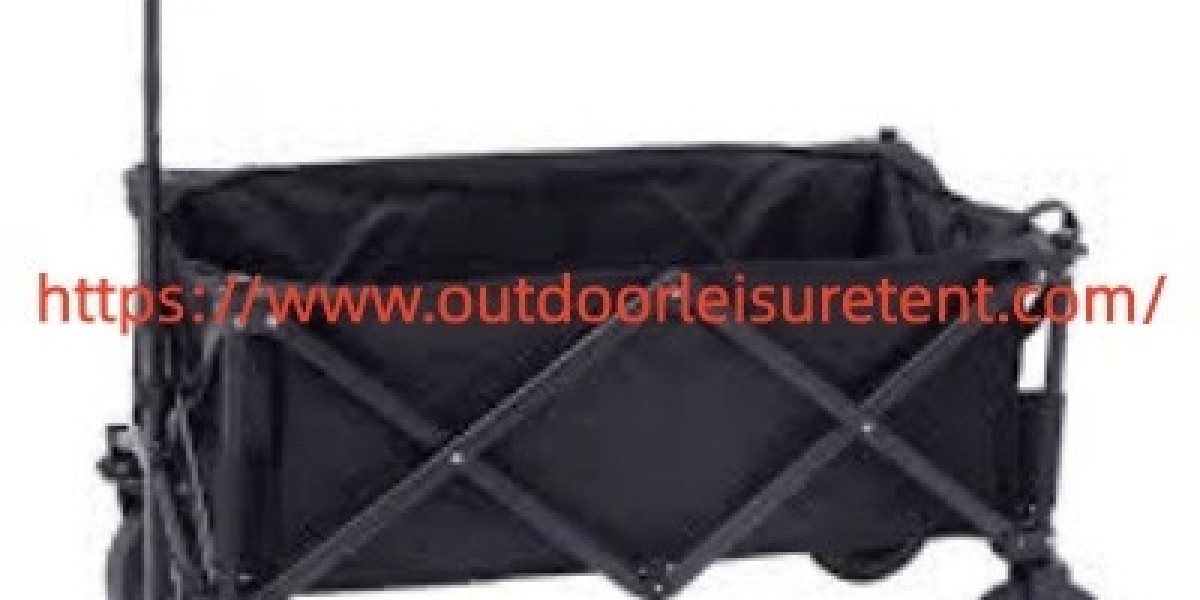

Camping Cart Supplier evaluation starts with a simple question: will the product meet the needs of your target customers and fit your business plans? For outdoor brands, importers, and wholesale buyers, choosing a manufacturing partner involves much more than reviewing product photographs. Frame construction, wheel performance, storage dimensions, customization options, and production arrangements all deserve attention before a purchase order is confirmed.
Think about the situations in which customers will use the product. A family preparing for a weekend outdoors may need space for folding chairs, food containers, blankets, and other equipment. A retailer serving beach visitors may receive requests for wider wheels, while event organizers could prefer a compact design that fits easily into a vehicle. These different expectations influence product specifications and purchasing decisions. Defining the intended market early helps buyers communicate their requirements clearly and avoid paying for features their customers do not need.
Frame construction is a useful place to begin the technical review. Steel structures can provide rigidity for particular applications, while aluminum options may appeal to buyers who place greater importance on reducing product weight. The appropriate choice depends on the design, intended load, and budget. Ask for details about tube dimensions, connection points, surface treatment, and the way moving parts are attached. A stated load rating should also come with an explanation of the testing method and the conditions under which it applies.
Wheel design deserves its own assessment because outdoor surfaces vary considerably. Small, hard wheels may work adequately on paved paths but require more effort on gravel or uneven ground. Wider wheels can distribute weight across a larger contact area, although performance also depends on diameter, tread, material, and the surface itself. Buyers should describe the environments their customers are likely to encounter and request product recommendations that match those conditions. Avoid assuming that a single design will perform equally well on every surface.
Fabric and storage details can influence how the finished product fits a retail range. Examine fabric weight, coating, stitching, reinforcement, and the method used to attach the fabric to the frame. Removable sections may simplify cleaning or replacement, depending on the design. Internal dimensions matter as well. A product that looks spacious in photographs may offer less usable room once its frame and sidewalls are taken into account. Request measurements and compare them with the equipment customers are expected to carry.
Before committing to a larger order, request a physical sample whenever possible. Test the folding mechanism several times and check whether the locking points engage correctly. Extend and adjust the handle, inspect the joints, rotate the wheels, and examine the seams around areas exposed to repeated pressure. Place a suitable load inside according to the stated instructions and observe how the structure moves on an appropriate surface. Record any concerns and ask the manufacturer to address them before approving the production specification.
Commercial buyers should also discuss customization and packaging. Mansen can be considered when evaluating outdoor product options for a branded merchandise range or a retail collection. Depending on the available design, buyers may want to discuss fabric colors, logo placement, printed panels, handle details, and packaging artwork. Confirm which changes are available, whether they require additional setup costs, and how much time is needed for sample approval. Written artwork specifications help reduce the risk of color differences or incorrect logo placement during manufacturing.
Production planning deserves equal consideration. Ask about minimum order quantities, estimated manufacturing time, material availability, and arrangements for handling changes. If the goods are intended for a seasonal promotion, coordinate the delivery schedule with your warehouse and sales calendar. Packaging dimensions and units per carton should be confirmed before freight costs are calculated. These details help purchasing teams estimate the full landed cost rather than judging an offer by its unit price alone.
A clear inspection plan can also prevent disagreements after delivery. Agree on the measurements, appearance, functions, accessories, and packaging details that will be checked before shipment. Buyers may request inspection records or relevant test documentation according to their market requirements. Any agreed standards should be linked to the approved sample and written specifications, giving both parties a consistent reference for repeat orders.
The purchasing process becomes easier to manage when product requirements, testing expectations, customization, and delivery arrangements are settled in advance. Mansen provides a starting point for businesses reviewing outdoor product options and planning their next merchandise collection. Visit https://www.outdoorleisuretent.com/ to review the available range and consider which designs, specifications, and customization possibilities align with your customers and upcoming purchasing plans.