
When considering a medical treatment, patients often want to understand two important things: how long the treatment will take and what results they can realistically expect. These questions are particularly relevant when a therapy involves multiple appointments, specialized equipment, or ongoing medical supervision.
Hyperbaric oxygen therapy (HBOT) is one treatment that may be recommended for certain medical conditions, including selected difficult-to-heal wounds and specific tissue injuries. Before starting a treatment plan, patients should understand the recommended schedule, the factors that influence results, and how healthcare professionals will measure progress.
Asking clear questions before treatment begins can help patients plan ahead, establish realistic expectations, and make informed decisions about their care.
Understanding Hyperbaric Oxygen Therapy
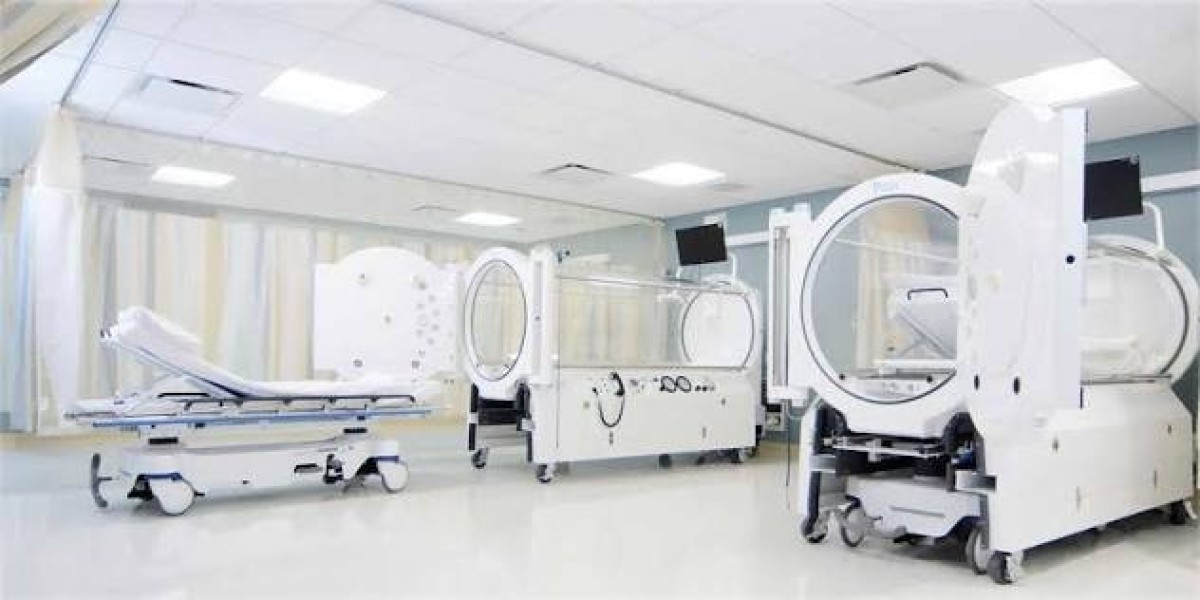
Hyperbaric oxygen therapy involves breathing oxygen in a specially designed chamber at a pressure higher than normal atmospheric pressure. This allows more oxygen to dissolve into the bloodstream, increasing the amount available to tissues.
Healthcare professionals use HBOT for specific medical indications, including decompression sickness, certain difficult-to-heal wounds, selected radiation-related tissue injuries, and particular serious infections. Its suitability depends on the patient's diagnosis, overall health, and clinical circumstances.
Although HBOT has established medical uses, it is not appropriate for every condition. The strength of evidence varies between applications, so patients should ask their healthcare provider why the treatment is being recommended and what benefit is expected in their particular case.
1. How Long Will Each Treatment Session Last?
One of the first questions patients should ask is how much time they will need to set aside for each appointment.
A hyperbaric oxygen therapy session often lasts approximately 90 to 120 minutes, although the exact duration varies according to the medical condition, prescribed pressure, and treatment protocol. Some sessions may be shorter or longer.
The appointment may also involve preparation, safety checks, entering the chamber, gradual pressurization, and a controlled return to normal pressure. These steps are important parts of the procedure and should be included when planning the day.
Patients can ask their provider:
How long will the oxygen treatment itself last?
How much additional time should I allow for preparation and monitoring?
Will I need assistance before or after the session?
Can I resume my usual activities immediately afterward?
Understanding the full appointment schedule helps patients make practical arrangements for transportation, work, family responsibilities, and other commitments.
2. How Many Sessions Might I Need?
The total number of sessions depends on the condition being treated and the clinical protocol recommended by the healthcare team.
Some medical indications require only a limited number of treatments, while others may involve repeated sessions over several days or weeks. For certain chronic wounds, treatment may be scheduled on multiple days each week, depending on the patient's needs and the provider's protocol.
There is no universal number of sessions that guarantees a particular result. The treatment plan should be individualized, with progress reviewed regularly.
Patients should ask how many sessions are initially anticipated, whether the schedule could change, and what clinical findings would influence the decision to continue or stop treatment.
It is also useful to understand what happens if a session is missed because of illness, transportation difficulties, or another unexpected circumstance.
3. When Might I Notice an Improvement?
Patients naturally want to know when they may begin seeing results. However, improvement timelines vary considerably depending on the medical condition, its severity, and the treatment's purpose.
For example, wound healing occurs gradually and may require several interventions working together. A healthcare professional may assess changes in wound size, tissue appearance, drainage, pain, and other clinical indicators rather than relying on how the wound looks after one session.
Some patients may notice changes during a course of treatment, while others may require more time or may not respond as expected. The absence of immediate improvement does not automatically mean treatment has failed, but it should be discussed during follow-up appointments.
Ask your healthcare provider what changes they will look for, when progress will be reviewed, and how long it may take to determine whether the treatment is helping.
4. What Results Are Realistic for My Condition?
Before beginning treatment, patients should understand the difference between a possible benefit and a guaranteed outcome.
Hyperbaric oxygen therapy can support treatment for certain medical conditions, but its effectiveness depends on the diagnosis and the quality of evidence supporting its use. It should not be presented as a universal solution for wound healing, recovery, or general wellness.
For selected difficult-to-heal wounds, HBOT may be considered as an addition to comprehensive care. However, wound healing may also depend on circulation, infection control, pressure relief, blood glucose management, nutrition, and other factors.
Patients should ask their provider what the main treatment goal is, how likely the desired outcome is in their situation, and whether other medical interventions will be required.
A responsible healthcare professional should explain the potential benefits and limitations without promising results that cannot be guaranteed.
5. How Will My Progress Be Measured?
A treatment plan should include clear methods for monitoring progress. The appropriate measurements depend on the condition being treated.
For a chronic wound, healthcare professionals may record its dimensions, assess the surrounding skin, monitor drainage, and look for changes in tissue quality. They may also evaluate whether contributing factors, such as infection or pressure, are being adequately managed.
For other medical indications, progress may be assessed through symptom reviews, physical examinations, or condition-specific tests.
Patients should ask how frequently their progress will be reviewed and which findings would indicate that the treatment is working. They should also understand what steps may be taken if improvement is limited.
Regular monitoring helps healthcare professionals make informed decisions instead of continuing a treatment plan without assessing its effectiveness.
6. What Factors Could Affect My Results?
Treatment outcomes are influenced by more than the number of sessions completed. The underlying medical condition, the patient's overall health, and the quality of accompanying care can all affect progress.
Factors that may influence recovery include:
Circulation: Reduced blood flow can limit the delivery of oxygen and nutrients to damaged tissues.
Underlying health conditions: Diabetes and vascular disease may interfere with wound healing.
Infection: Uncontrolled infection can delay recovery and require additional treatment.
Nutrition: Adequate energy, protein, and essential nutrients support tissue repair.
Pressure and repeated injury: Continued stress on a wound can prevent healing.
Consistency of care: Following the recommended treatment plan and attending follow-up appointments help clinicians assess the response accurately.
Patients should discuss any personal factors that could affect treatment and ask whether additional measures may improve the overall care plan.
7. Are There Risks or Side Effects That Could Affect My Schedule?
Understanding possible side effects is another important part of planning treatment.
Hyperbaric oxygen therapy can cause ear or sinus pressure injuries, temporary vision changes, and, less commonly, oxygen toxicity or other serious complications. Some patients may also experience anxiety in an enclosed chamber.
Before treatment, healthcare professionals review medical history and assess whether HBOT is appropriate. An untreated pneumothorax, or collapsed lung, is a major contraindication, and other health conditions may require additional precautions.
Patients should ask which side effects are most relevant to them, what symptoms should be reported immediately, and whether any complications could require treatment to be postponed or modified.
Significant ear pain, chest discomfort, breathing difficulties, or other concerning symptoms should be reported promptly to the treatment team.
8. What Happens if I Do Not Respond as Expected?
Not every patient experiences the anticipated benefit from a medical treatment. It is therefore important to discuss the next steps before beginning a course of therapy.
If progress is limited, the healthcare team may reassess the diagnosis, review the original treatment goals, investigate other factors affecting recovery, or consider alternative approaches.
For patients with chronic wounds, this could include further evaluation of circulation, infection, pressure, or underlying medical conditions. In some cases, the treatment plan may need to be adjusted or discontinued.
Patients should ask when a formal review will take place and what criteria will guide decisions about continuing treatment. Understanding these arrangements can reduce uncertainty and help ensure that care remains focused on measurable clinical needs.
9. How Should I Compare Treatment Providers?
Choosing a qualified provider is important when considering specialized medical care. Patients should look for appropriate clinical oversight, clear safety procedures, transparent communication, and an individualized assessment process.
When researching Barrie Hyperbaric Oxygen Therapy, patients should ask prospective providers about their assessment procedures, the qualifications of the supervising healthcare team, and the medical indications for which treatment is offered.
It is also reasonable to ask how treatment outcomes are monitored, what safety protocols are followed, and whether the proposed therapy is supported by evidence for the patient's specific condition.
Patients should be cautious about guaranteed-result claims or recommendations that are made without reviewing their medical history. A trustworthy provider should explain both the potential benefits and the limitations of the proposed treatment.
10. What Costs and Practical Commitments Should I Expect?
A course of treatment may involve repeated appointments, transportation, time away from work, and other expenses. Patients should understand these practical commitments before starting.
Ask for a clear breakdown of the costs, including assessments, treatment sessions, monitoring, and follow-up appointments. If insurance coverage may apply, confirm eligibility and requirements directly with the insurer.
Patients should also clarify the expected appointment frequency, the likely overall treatment period, and whether changes to the schedule could affect costs.
Understanding these details makes it easier to plan ahead and compare options without overlooking important expenses.
Conclusion
Before starting hyperbaric oxygen therapy, patients should ask how long each session will take, how many treatments may be recommended, when progress will be assessed, and what results are realistic for their condition.
They should also understand possible side effects, the factors that influence recovery, the qualifications of the treatment provider, and the costs associated with care.
The most appropriate treatment schedule is one based on an individualized medical assessment and reviewed according to clinical progress. By asking informed questions and maintaining open communication with healthcare professionals, patients can make more confident decisions and develop realistic expectations about their treatment journey.