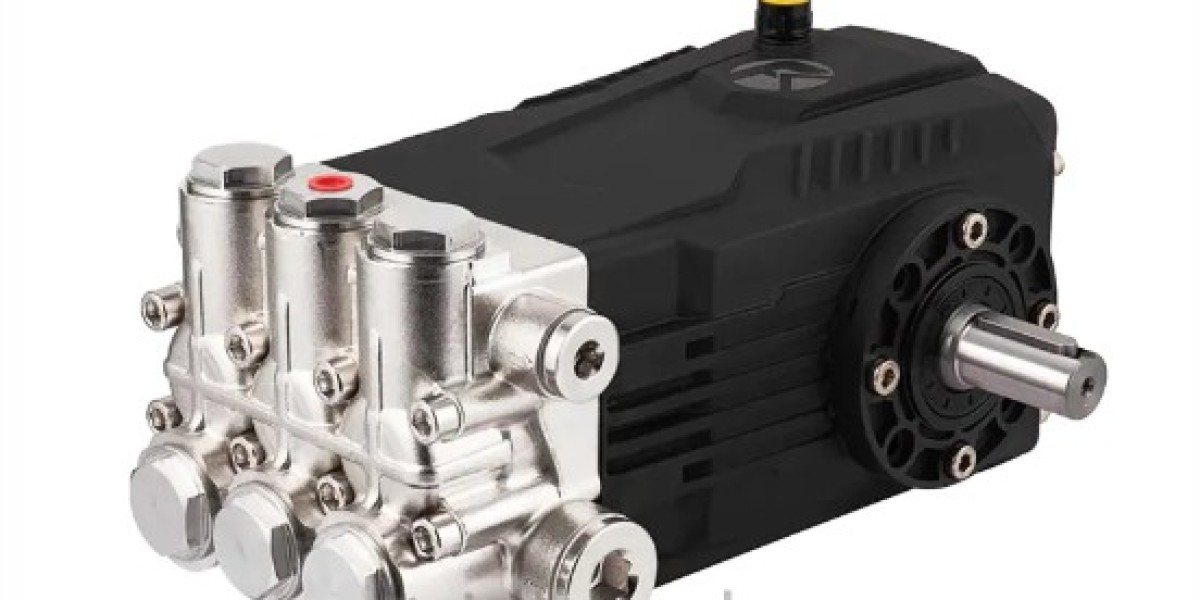

A Piston Pump uses the reciprocating movement of a piston inside a cylinder to draw in and discharge fluid through a controlled pumping cycle. This operating principle makes it suitable for various applications that require defined fluid delivery and pressure characteristics. Depending on its design, the equipment may be used in industrial processes, fluid transfer systems, pressure testing, and specialized machinery. For B2B buyers, choosing the right model requires careful consideration of working pressure, flow rate, fluid properties, drive requirements, and the expected operating schedule.
The working mechanism generally involves changes in the volume of a pumping chamber as the piston moves. Inlet and discharge valves control the direction of fluid movement, allowing the chamber to fill and then release fluid into the connected system. Actual construction varies by model, and performance is influenced by piston dimensions, stroke length, operating speed, valve design, and internal sealing arrangements. Buyers should review the technical specifications of the proposed equipment to confirm that its design matches the intended application.
Operating pressure and flow rate are among the most important selection criteria. Pressure represents the force needed to overcome resistance in the system, while flow rate describes the volume of fluid delivered over a specific period. These factors should be assessed together rather than independently. Some applications require a relatively high pressure at a moderate flow rate, while others need a larger volume of fluid for continuous operation. Defining normal operating conditions before ordering helps reduce the risk of selecting equipment that is oversized or unable to meet actual process requirements.
Fluid compatibility also plays an important role in service life. Viscosity, temperature, chemical composition, and suspended particles can affect the piston, cylinder, valves, seals, and other wetted components. Materials must be selected according to the fluid and the surrounding environment. For applications involving corrosive media or abrasive particles, buyers should provide detailed operating information to the supplier before confirming the configuration. Suitable materials and compatible sealing components help reduce premature wear and improve maintenance planning.
The drive system should be evaluated as part of the complete installation. An electric motor may be suitable for a fixed industrial facility, provided its power rating and electrical specifications match the application. Buyers should confirm voltage, frequency, rotational speed, mounting dimensions, and connection requirements before purchasing. The available installation space and accessibility of service points also deserve attention. Reviewing these details early can simplify installation and reduce the likelihood of modifications during commissioning.
The inlet and discharge systems can significantly affect operating stability. The inlet supply must meet the manufacturer's requirements, while discharge pipes, hoses, valves, and fittings must be rated for the expected working pressure. Restricted inlet flow, air entering the system, unsuitable pipe dimensions, or operation outside approved conditions may contribute to inconsistent performance and component damage. Appropriate pressure regulation and protective devices should be included where required by the system design. Proper installation is therefore just as important as selecting a suitable pump model.
Preventive maintenance helps maintain performance and control operating costs. Routine checks may include inspecting fluid connections, monitoring pressure and flow, identifying leakage, and listening for unusual noise. Seals and valves may need periodic servicing depending on operating hours and fluid conditions. Operators should follow the manufacturer's startup, shutdown, and maintenance procedures and avoid operating the equipment without an adequate fluid supply. Documenting inspection results and replacement activities can help maintenance teams identify recurring problems and plan service intervals more effectively.
Safety procedures should be established before the equipment enters operation. Pressurized fluid can create hazards when components are incorrectly installed, damaged, or used beyond their rated limits. Operators should inspect pressure-bearing connections regularly and isolate the drive before servicing. Any trapped pressure must be released according to approved procedures before the system is opened. Appropriate protective equipment, operator training, and clear maintenance instructions support safer working conditions in industrial environments.
For procurement teams, supplier documentation should clearly state pressure ratings, flow capacity, drive specifications, wetted materials, connection dimensions, and available accessories. Buyers should also confirm spare parts availability, technical support, warranty conditions, and delivery arrangements. When evaluating a Piston Pump, businesses should focus on application compatibility, verified performance data, serviceability, and total operating requirements rather than purchase price alone. FEIKE's available pumping solutions can be explored at https://www.triplex-plungerpump.com/product/pumps/ to help buyers assess options for their industrial projects.