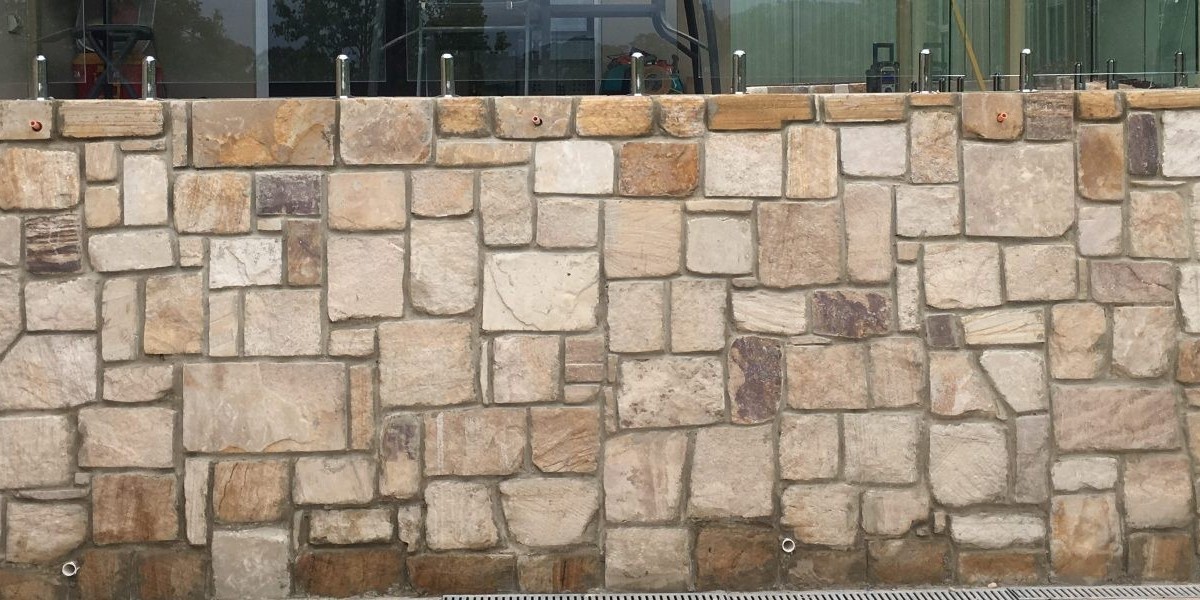

A beautiful outdoor space is about more than plants, lawns and garden furniture. The right landscaping can improve the appearance of your property, make sloping areas more practical and create outdoor spaces that you can enjoy throughout the year. For Australian homeowners, natural rock walls offer an attractive way to combine functionality with timeless landscape design.
Professional Retaining Walls Landscaping can help transform uneven ground into a structured, appealing and usable garden. Whether you want to create terraced garden beds, define outdoor entertaining areas or manage changes in ground level, a well-designed rock retaining wall can make a noticeable difference to your property.
Natural stone is particularly appealing because it complements Australia's varied landscapes, from contemporary suburban gardens to spacious rural properties. With the right materials and construction approach, a rock wall can become a lasting feature of your outdoor environment.
Why Choose Natural Rock Walls for Your Landscape?
Natural rock walls offer a distinctive appearance that manufactured materials may struggle to replicate. Each stone has its own texture, shape and colour, creating a finish that feels connected to the surrounding environment.
Here are some key benefits of incorporating stone retaining walls into your garden.
1. A Timeless, Natural Appearance
Stone blends beautifully with native plants, ornamental grasses, gravel pathways and established trees. Whether you prefer a rustic garden or a modern outdoor design, natural rock can complement a wide range of landscaping styles.
2. Better Use of Sloping Land
Sloping gardens can be difficult to maintain and may limit the space available for outdoor activities. Retaining walls can create level sections for planting, pathways, seating areas and lawns, helping you make better use of your available land.
3. Practical Soil Support
A properly designed retaining wall helps hold soil in place where the ground level changes. Depending on the site and drainage conditions, it can also form part of a broader erosion-management strategy.
4. Long-Term Outdoor Appeal
Natural stone is durable when selected and installed appropriately. Its appearance can also age gracefully, allowing the wall to remain an attractive feature as the surrounding garden matures.
How Retaining Walls Landscaping Can Improve Your Garden
Thoughtful Retaining Walls Landscaping involves more than stacking stones along a slope. It considers how the wall will function, how it will look and how it will fit into the overall outdoor design.
Create Attractive Garden Terraces
Terraced landscaping is a practical option for properties with steep or uneven ground. Multiple levels can provide space for flowers, shrubs, vegetable gardens or decorative plants while creating visual depth.
For example, a sloping backyard could be divided into separate planting areas with stone walls connecting each level. This approach makes the garden easier to organise and gives the landscape a more defined appearance.
Define Outdoor Living Areas
Rock retaining walls can help distinguish different sections of a backyard. They may frame an outdoor entertaining space, support a raised garden bed or create a natural boundary between a lawn and a planted area.
When planned alongside paving, steps and suitable garden lighting, these features can make an outdoor space feel more cohesive and inviting.
Complement Australian Garden Styles
Australian gardens often combine practical design with plants suited to local conditions. Natural stone works well with native grasses, hardy shrubs and drought-tolerant planting, depending on the local climate and garden requirements.
Choosing colours and textures that complement your home's exterior can help create a consistent look throughout the property.
Important Factors Before Building a Rock Retaining Wall
Before starting a retaining wall project, consider the following points to achieve a suitable and lasting result.
Ground conditions: Soil type, slope and ground stability influence the wall's design and construction requirements.
Drainage: Water pressure behind a retaining wall can contribute to structural problems. Appropriate drainage must be incorporated into the design.
Stone selection: The size, shape, strength and appearance of the stone should suit the intended wall and site conditions.
Wall height: Taller walls may require engineering advice, specific construction methods or regulatory approval.
Surrounding landscape: Consider how the wall will connect with paths, steps, plants, fencing and other outdoor features.
Local regulations: Requirements vary across Australian states, territories and councils. Check the applicable rules before construction begins.
For walls supporting significant loads or retaining substantial amounts of soil, seek advice from an appropriately qualified professional. Correct design and installation are essential for safety and long-term performance.
Choosing the Right Landscaping Professional
A successful rock wall project starts with careful planning. Look for a landscaping professional who understands site preparation, stone placement, drainage and the practical requirements of retaining structures.
Ask about previous projects, proposed materials, construction methods and how water will be managed behind the wall. A clear scope of work can also help you understand the expected process, costs and timeframe.
Professional Retaining Walls Landscaping can bring together structural considerations and visual design, helping you create an outdoor feature that suits your property rather than simply filling an awkward space.
Conclusion
Natural rock retaining walls can turn challenging garden slopes into attractive, functional outdoor spaces. From terraced planting areas to defined entertaining zones, they offer a versatile solution for many Australian landscapes.
The key is to balance appearance with sound construction, suitable drainage and the conditions of your property. With thoughtful planning and professional guidance, Retaining Walls Landscaping can help you create an outdoor environment that looks appealing and serves a practical purpose for years to come.
If you're planning to improve your garden, explore the natural rock wall services available at Retaining Walls Landscaping. Discuss your property's layout, goals and site requirements to find an approach that works for your outdoor space.
Frequently Asked Questions
1. What is retaining wall landscaping?
Retaining wall landscaping involves incorporating walls into an outdoor design to support soil, manage changes in ground level and create usable garden spaces. Natural stone is one option for combining practical support with an attractive finish.
2. Are natural rock retaining walls suitable for Australian gardens?
Yes. Natural rock walls can suit many Australian properties, including sloping suburban gardens and larger rural landscapes. The right design depends on local soil conditions, rainfall, drainage needs and the intended use of the space.
3. How long does a stone retaining wall last?
A stone retaining wall can last for many years when it is properly designed, constructed and maintained. Its lifespan depends on stone quality, ground conditions, drainage, wall design and exposure to weather.
4. Do rock retaining walls require drainage?
Drainage is an important consideration for most retaining walls because water can build up behind the structure and increase pressure. The appropriate drainage system depends on the wall design and site conditions.
5. How do I choose the right retaining wall for my garden?
Consider your property's slope, soil conditions, preferred appearance, budget and intended use. Consulting an experienced landscaping professional can help you determine whether a natural rock wall is suitable and what design requirements may apply.