
Packaging plays a crucial role in protecting products, maintaining quality, and preparing goods for storage and transportation. As manufacturing and distribution businesses handle increasing order volumes, manual packaging methods can become slow, labour-intensive, and inconsistent. Auto wrapping machines offer an effective solution by automating the process of covering and securing products with suitable wrapping materials.
These machines are used across industries such as food and beverage, consumer goods, pharmaceuticals, logistics, and manufacturing. By reducing repetitive manual tasks and delivering consistent wrapping results, automated systems help businesses improve productivity and maintain packaging standards.
What Is an Auto Wrapping Machine?
An auto wrapping machine is a packaging system that automatically wraps products, bundles, or palletized loads using materials such as stretch film, shrink film, or other suitable wrapping media. Depending on the machine type, the process may involve feeding the product, applying the wrapping material, sealing or cutting the film, and discharging the finished package.
The specific wrapping method depends on the product's shape, dimensions, weight, and protection requirements. Some machines wrap individual products, while others secure multiple items together or stabilize entire pallets for transportation.
Automatic wrapping equipment can operate as a standalone unit or as part of an integrated packaging line that includes conveyors, filling systems, labelling machines, and other production equipment.
Key Benefits of Auto Wrapping Machines
1. Increased Packaging Speed
Manual wrapping can slow down production when employees must package large quantities of products individually. The process becomes particularly challenging during peak production periods or when orders need to be dispatched quickly.
An auto wrapping machine performs repetitive wrapping operations according to programmed settings, helping businesses process products at a more consistent rate. Depending on the system, products may move continuously through the packaging line with minimal operator intervention.
Improved throughput can help reduce bottlenecks between production, packaging, warehousing, and shipping.
2. Consistent Packaging Quality
Uniform packaging helps protect products and creates a professional appearance. Manual wrapping can vary from one operator to another, resulting in inconsistent film coverage, loose wrapping, or excessive material use.
Automatic systems apply wrapping materials according to predefined parameters. This supports repeatable results when the equipment is configured correctly for the product and packaging material.
For businesses handling products with different shapes or sizes, adjustable settings can help maintain suitable wrapping coverage across multiple product types.
3. Reduced Labour Requirements
Wrapping products manually requires repetitive movements, continuous handling, and considerable employee attention. These tasks can consume valuable time in high-volume production environments.
Automation reduces the amount of direct manual work required for routine wrapping operations. Employees can focus on monitoring equipment, inspecting packages, replenishing materials, and coordinating production activities.
Although automated equipment still requires trained operators and maintenance personnel, it can help businesses use their workforce more efficiently.
4. Better Material Utilization
Packaging film and other wrapping materials contribute to ongoing production costs. Inconsistent application can result in unnecessary waste, especially when employees use more material than required to secure a product.
Automatic wrapping machines provide greater control over film application, wrapping patterns, and other relevant settings. Some models also offer film-stretching or material-control features that help optimize consumption.
Businesses should monitor material use and verify that reducing consumption does not compromise package integrity or product protection.
5. Improved Product Protection
Products may be exposed to dust, moisture, handling damage, or movement during storage and transportation. The appropriate wrapping method can help reduce these risks.
For example, stretch wrapping can stabilize palletized goods, while shrink wrapping can provide a close-fitting outer covering for suitable retail products and multipacks. Other wrapping systems are designed for individual items or specialized packaging requirements.
Selecting the correct machine and wrapping material is essential because not every wrapping method provides the same level of protection.
Common Types of Auto Wrapping Machines
Different applications require different wrapping technologies. Understanding the main types helps businesses identify equipment suited to their operations.
Automatic Stretch Wrapping Machines
These machines apply stretch film around palletized products to hold the load together. They are widely used in warehouses, manufacturing facilities, and distribution centres.
Depending on the configuration, the pallet may rotate on a turntable, or a rotating arm may travel around a stationary load. Conveyor-integrated systems can further reduce manual handling.
Automatic Shrink Wrapping Machines
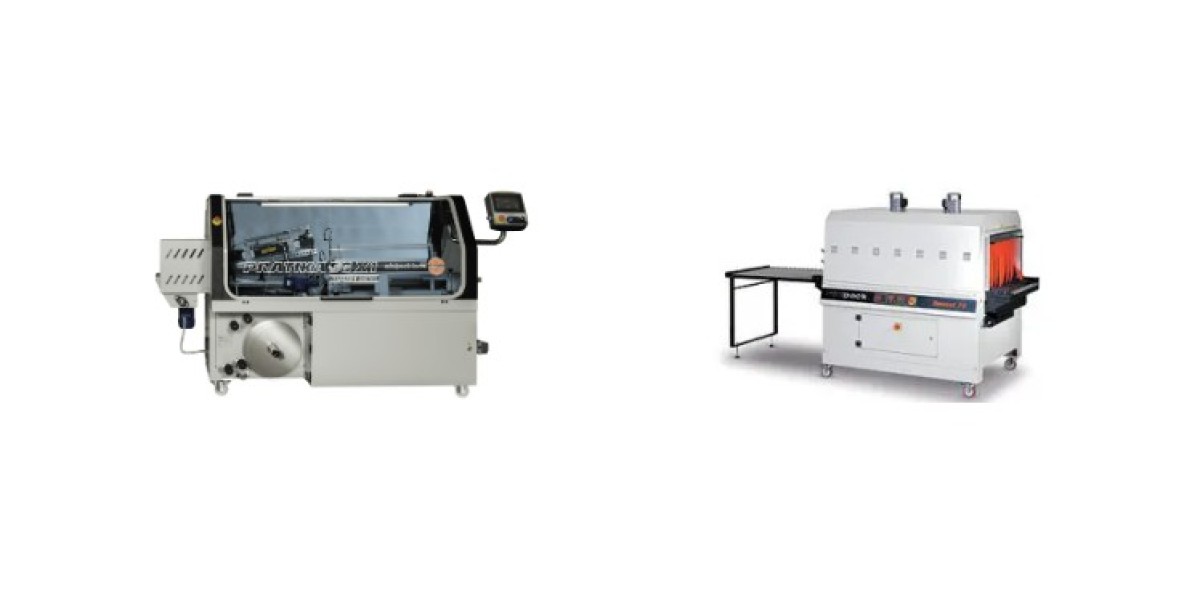
Shrink wrapping equipment applies shrink film around products and uses controlled heat to make the film conform to the package. These systems are commonly used for multipacks, consumer goods, cartons, and selected retail products.
Machine selection depends on product dimensions, required production speed, film type, and appropriate heat-control requirements.
Automatic Flow Wrapping Machines
Flow wrapping machines package individual products in a continuous film tube that is sealed around the item. They are frequently used for products such as biscuits, bakery items, confectionery, hardware, and selected consumer goods.
These machines can be useful when businesses need high-speed packaging with consistent seals and a uniform appearance.
Automatic Overwrapping Machines
Overwrapping machines fold packaging material around products or boxes to create a neat outer covering. They may be used for cartons, gift products, cosmetics, and other applications that require a tidy presentation.
The suitable machine depends on the package shape, wrapping material, and desired finish.
Industries That Use Automatic Wrapping Equipment
Food and Beverage
Food manufacturers use wrapping machines for suitable packaged products, multipacks, bakery goods, confectionery, and beverage cases. The equipment must meet the relevant hygiene and packaging requirements for the application.
Pharmaceuticals and Healthcare
Pharmaceutical and healthcare businesses use specialized packaging systems to wrap cartons, product bundles, and other items. Equipment selection should account for applicable product protection, hygiene, and regulatory requirements.
Consumer Goods
Manufacturers of personal care products, household items, electronics accessories, and other consumer goods use automated wrapping to prepare products for retail distribution and shipment.
Manufacturing and Industrial Operations
Industrial facilities may use wrapping equipment for components, finished goods, spare parts, and palletized shipments. Suitable wrapping helps secure products during handling and transportation.
Warehousing and Logistics
Distribution centres use automatic stretch wrapping systems to stabilize pallet loads before dispatch. Integration with conveyors and pallet-handling equipment can improve workflow and reduce unnecessary manual movement.
How to Choose the Right Auto Wrapping Machine
Selecting the right machine requires an understanding of product characteristics, production targets, and available operating space.
Identify the product type. Determine whether the machine will wrap individual products, bundles, cartons, or palletized loads. This helps narrow down the appropriate wrapping technology.
Evaluate production capacity. Estimate the number of products or pallets processed per hour. Choose equipment that meets current requirements while allowing reasonable room for future growth.
Check size and weight compatibility. Confirm the machine's operating range for product dimensions, package height, and load weight. Irregular or fragile products may require specialized handling.
Review material compatibility. Verify which films or wrapping materials the equipment supports. Consider material availability, packaging performance, and ongoing consumable costs.
Consider automation and integration. Determine whether the machine needs to connect with conveyors, labelling systems, weighing equipment, or other packaging machinery.
Assess safety and maintenance. Look for appropriate guards, emergency stops, clear operating procedures, and accessible service support. Ensure that employees receive suitable training.
Calculate total ownership costs. Compare purchase price, installation, energy consumption, material use, maintenance, and expected downtime to understand the long-term investment.
Maintenance Practices for Reliable Operation
Regular maintenance helps keep automatic wrapping machines operating efficiently and reduces unexpected production interruptions.
Operators should inspect film-feeding systems, rollers, sealing components, sensors, conveyors, and cutting mechanisms according to manufacturer instructions. Packaging material should be loaded correctly, and damaged components should be repaired or replaced promptly.
Settings should also be reviewed when product sizes, packaging materials, or production requirements change. Testing sample packages helps confirm that wrapping quality remains acceptable.
Before clearing jams or servicing moving parts, personnel should follow approved shutdown and energy-isolation procedures. Maintenance should be performed by trained individuals using the manufacturer's recommended practices.
The Role of Automation in Modern Packaging
Packaging automation is becoming increasingly important for businesses seeking consistent output and efficient production workflows. Auto wrapping machines can form part of a larger system that includes product feeding, filling, sealing, labelling, inspection, palletizing, and dispatch.
When these stages are coordinated effectively, businesses can reduce unnecessary handling and improve the flow of products through the facility.
However, successful automation requires more than purchasing equipment. Companies should assess their existing processes, identify recurring bottlenecks, and measure results using indicators such as packaging speed, material consumption, rejected packages, labour requirements, and equipment downtime.
This approach helps businesses determine whether the selected system delivers practical operational benefits.
Conclusion
Auto wrapping machines help businesses streamline packaging operations, improve wrapping consistency, reduce repetitive manual work, and manage material consumption. With different machine types available for individual products, multipacks, cartons, and palletized loads, companies can select solutions suited to their specific requirements.
By evaluating production capacity, packaging materials, product characteristics, maintenance needs, and total ownership costs, businesses can make informed equipment decisions and build a more reliable packaging process.