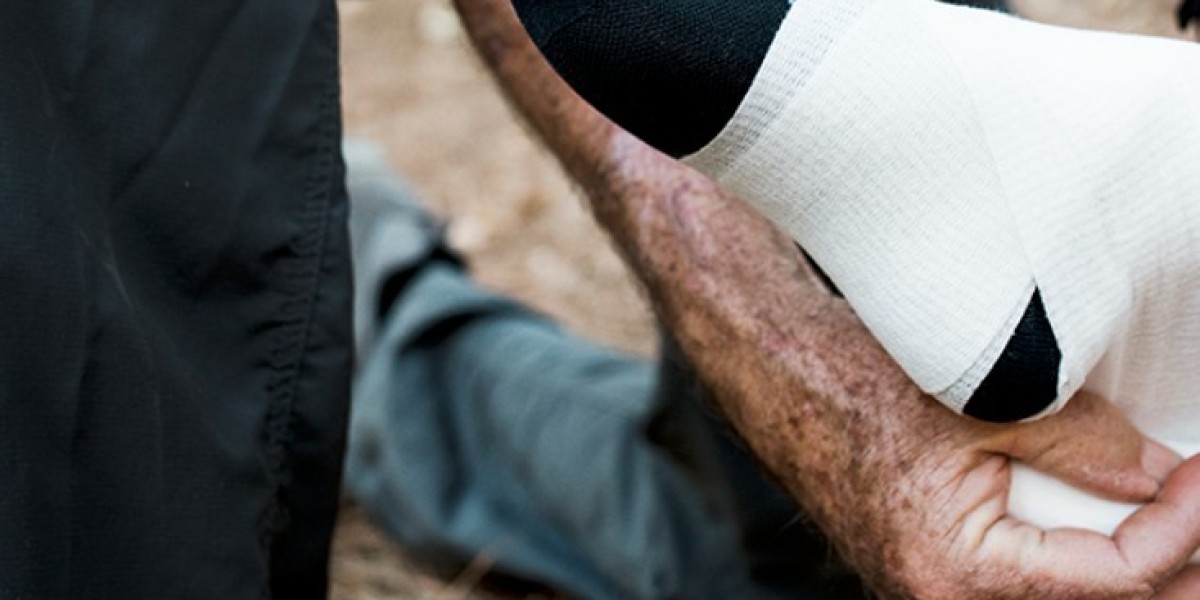

An accident can leave an injured person dealing with medical treatment, missed work, insurance paperwork, and uncertainty about what to do next. While recovery is often the immediate priority, the steps taken in the days and weeks following an accident can also influence how a potential personal injury claim is evaluated.
A strong claim generally depends on reliable evidence, clear medical documentation, and a reasonable explanation of how the accident caused harm. Understanding these elements can help injured individuals protect important information and make more informed decisions about their options.
In Ontario, personal injury claims may arise from motor vehicle collisions, slip-and-fall accidents, unsafe property conditions, and other incidents involving alleged negligence. Each case is different, so the appropriate approach depends on the circumstances of the accident and the legal rules that apply.
Start by Recording What Happened
Memories can become less precise as time passes, and details about an accident may later be disputed. Creating a written account soon after an incident can help preserve important information.
Where possible, record the date, time, location, weather conditions, and events leading up to the accident. Include details about hazards, traffic conditions, warning signs, or other factors that may have contributed to the incident.
If witnesses were present, keep their names and contact information, provided it is appropriate to do so. Their observations may help clarify events if the parties later disagree about what happened.
Avoid guessing about missing details or assigning blame before the facts are clear. A factual account is generally more useful than speculation.
Preserve Photographs and Other Evidence
Physical evidence can help establish how an accident occurred and whether a hazardous condition existed.
Depending on the incident, useful evidence may include:
Photographs of the accident scene and any visible hazards.
Images of vehicle damage or visible injuries.
Copies of incident reports or relevant correspondence.
Contact information for witnesses.
Available video footage or other records showing the incident.
Documents relating to repairs, damaged belongings, or related expenses.
Evidence should be collected only when it is safe and lawful to do so. If an injury prevents someone from documenting the scene, a family member or another appropriate person may be able to help.
It is also wise to keep original files and retain copies of important documents. If photographs or videos are shared with an insurer or another party, maintaining an organized record of what was provided can help avoid confusion later.
Follow Medical Advice and Keep Treatment Records
Medical evidence can help explain the nature of an injury, the treatment required, and the effect on everyday activities.
Some injuries are immediately apparent, while others develop gradually. Seeking appropriate medical attention and following professional recommendations can support recovery and create a record of symptoms over time.
Useful documents may include physician assessments, diagnostic imaging, prescriptions, specialist reports, physiotherapy records, and rehabilitation recommendations.
Individuals should describe their symptoms accurately and tell healthcare providers about changes in their condition. They should not exaggerate symptoms or minimize difficulties simply because they hope to return to normal activities quickly.
If treatment is delayed or interrupted, keeping a factual record of the reasons may help explain the circumstances. Medical documentation should reflect the person's actual experience rather than an attempt to strengthen a legal claim.
Understand How the Accident Affected Your Life
The consequences of an injury can extend beyond medical expenses. A person may struggle to drive, care for children, perform household chores, participate in hobbies, or maintain their usual work schedule.
Keeping brief notes about these limitations can help create a clearer picture of the injury's practical impact. For example, someone might record difficulty standing for long periods, the need for assistance with shopping, or changes in their ability to complete work duties.
These observations should be specific and truthful. Where possible, they can be considered alongside medical records and other evidence.
Understanding the broader impact of an injury is important because the assessment of a personal injury claim may involve more than the initial diagnosis. Depending on the circumstances and applicable law, the effects on daily activities and quality of life may also be relevant.
Keep Track of Income Losses and Expenses
Financial records can help explain how an accident affected a person's economic circumstances.
If an injury results in missed work, reduced hours, or changes to employment responsibilities, retain relevant pay statements, employer correspondence, tax records, and other documents that help establish the impact.
Self-employed individuals may need business records, invoices, contracts, or other evidence showing changes in income or work capacity.
It is equally important to track expenses associated with recovery. These may include eligible treatment costs, prescription medications, transportation to appointments, assistive equipment, or other out-of-pocket expenses.
Not every expense or income loss is automatically recoverable. The legal requirements and available insurance coverage depend on the type of claim. Nevertheless, maintaining accurate records makes it easier to evaluate the financial consequences and identify which losses may warrant further assessment.
Be Careful When Communicating With Insurance Companies
Insurance communications can be an important part of the claims process. Depending on the accident, an injured person may need to report the incident, submit documentation, answer questions, or apply for available benefits.
Responding accurately and keeping copies of correspondence can help maintain a clear record. If a question is unclear, it is reasonable to ask for clarification rather than guessing.
Before signing documents or accepting a final settlement, individuals should understand what the agreement covers and whether it resolves claims permanently. A settlement reached before the long-term effects of an injury are understood may create difficulties if additional needs arise later.
Anyone who is uncertain about the implications of an insurance offer may wish to obtain independent advice before making a decision.
Understand the Importance of Legal Deadlines
Time limits can affect whether a personal injury claim can proceed. Ontario's Limitations Act, 2002 generally provides a two-year limitation period from the date a claim is discovered, subject to exceptions and other applicable rules. <Cite refs={["turn896694search0","turn896694search4"]}/>
Some claims may involve separate notice requirements or insurance deadlines. These can differ depending on the type of accident and the parties involved.
For this reason, injured individuals should not assume that every claim follows the same timeline. Seeking advice early can help identify the relevant requirements and reduce the risk of missing an important deadline.
When to Consider Legal Guidance
Legal guidance may be useful when responsibility for an accident is disputed, an insurer questions the extent of an injury, or the financial and personal consequences are substantial.
Someone researching a Guelph personal injury lawyer may wish to ask about experience with similar claims, the evidence needed to assess the case, potential challenges, and how legal fees are structured.
An initial consultation can also help clarify whether further documentation is needed and which deadlines may apply. A lawyer can explain the general process and assess the circumstances, but no particular outcome or amount of compensation can be guaranteed.
Choosing representation should involve more than comparing advertisements. Clear communication, realistic explanations, and an understanding of the individual circumstances are important considerations.
Prepare for the Next Steps
Once immediate medical needs have been addressed, organizing the available information can make the process easier to manage.
Create a folder for medical records, financial documents, photographs, insurance correspondence, and incident reports. Keep a timeline of important events, including treatment appointments and communications with relevant parties.
It can also be helpful to prepare questions before speaking with an insurer or legal professional. Knowing which information is available and identifying gaps can make these conversations more productive.
Above all, recovery should remain a priority. Documentation and administrative tasks are important, but they should not interfere with necessary medical care or personal safety.
Conclusion
Building a well-documented personal injury claim begins with practical steps: recording the accident, preserving evidence, following appropriate medical advice, and keeping accurate financial records. These measures can help explain what happened and how the injury affected the person's life.
Understanding insurance obligations and legal deadlines is equally important. When an accident involves disputed responsibility, significant losses, or uncertainty about compensation, professional guidance may help clarify the available options.
Every personal injury case depends on its own facts and applicable legal requirements. Careful documentation and timely decisions can help individuals approach the claims process in a more organized and informed way.