
In today's competitive retail market, packaging does more than contain a product. It helps businesses communicate their brand identity, protect merchandise, and create a memorable experience for customers. From products displayed on store shelves to orders delivered directly to consumers, packaging influences how people perceive quality and value.
Custom retail packaging allows businesses to develop packaging tailored to their products, branding, and operational requirements. Instead of relying entirely on standard boxes or containers, companies can choose suitable materials, dimensions, printing styles, and structural features that support their specific goals.
When planned effectively, custom packaging can improve product presentation, simplify distribution, and help businesses establish a consistent identity across retail channels.
What Is Custom Retail Packaging?
Custom retail packaging refers to packaging designed or adapted to meet the needs of a particular product or brand. It can include customized shapes, sizes, materials, graphics, and functional features that distinguish a product while protecting it during storage, handling, and transportation.
Businesses across industries use custom packaging for cosmetics, electronics, clothing, food products, home accessories, gifts, and many other consumer goods.
Common options include folding cartons, corrugated boxes, paperboard packaging, custom printed sleeves, branded bags, and protective inserts. Each option serves a different purpose, depending on the product's weight, fragility, display requirements, and distribution method.
A well-designed package should balance appearance with practical performance. It needs to look appropriate for the brand while remaining easy to store, transport, open, and dispose of.
Why Businesses Invest in Custom Packaging
Creating a Recognizable Brand Identity
Packaging provides a valuable opportunity to present a brand consistently. Elements such as colours, logos, typography, illustrations, and messaging help customers recognize products and distinguish them from competing options.
A consistent visual identity across different product lines can make a business appear more organized and professional. It also helps customers associate particular design elements with the brand over time.
For example, a skincare company might use clean graphics and understated colours to communicate simplicity, while a children's product brand might choose brighter colours and playful illustrations. The most effective approach depends on the target audience and the message the business wants to convey.
Making Products Stand Out on Retail Shelves
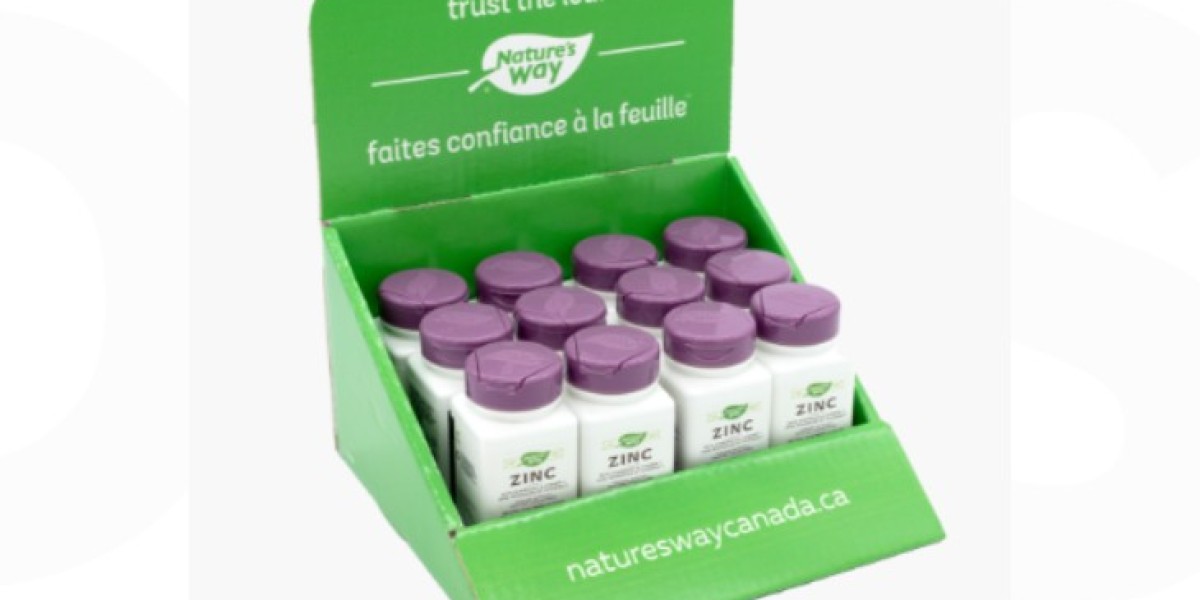
Retail environments often contain numerous products competing for attention. Packaging can help a product attract interest through its structure, colours, typography, and overall presentation.
However, effective packaging does not necessarily need to be complicated. Clear messaging, readable product information, and a design that reflects the product's purpose can be more effective than excessive decorative elements.
Businesses should consider the retail environment when developing packaging. A design intended for a crowded supermarket shelf may require a different approach from packaging sold through a boutique, specialty retailer, or online store.
Improving Product Protection
Packaging must protect products throughout their journey from manufacturing to the final customer. Depending on the product, it may need to withstand stacking, movement, handling, moisture exposure, or other distribution challenges.
Corrugated boxes can provide structural strength for shipping and heavier products, while folding cartons are commonly used for lighter goods that require a polished retail presentation. Inserts and dividers can help prevent movement and keep multiple components organized.
Choosing the correct material and dimensions can reduce product damage and help businesses avoid unnecessary returns, replacements, and waste.
Choosing the Right Materials for Custom Retail Packaging
Material selection affects durability, print quality, cost, and environmental considerations. Businesses should assess the needs of their products before choosing a packaging format.
Corrugated Boxes
Corrugated packaging is suitable for products that require additional protection during shipping, storage, or retail distribution. Its layered construction provides strength while allowing manufacturers to create different box sizes and structural designs.
Businesses can also use printed corrugated boxes when packaging needs to serve both protective and branding purposes.
Folding Cartons
Folding cartons are widely used for consumer goods that require a neat and structured appearance. They provide printable surfaces for logos, product details, instructions, and other relevant information.
These cartons can be customized in various sizes and styles, making them useful for cosmetics, personal care products, food packaging, and numerous household items.
Paper-Based Packaging
Paper-based materials can be used for cartons, sleeves, bags, and other retail packaging formats. Depending on the product and material specifications, they may offer opportunities to reduce reliance on certain packaging materials and support recycling objectives.
Businesses should evaluate the complete packaging design, including coatings, adhesives, and other components, before making environmental claims.
The Importance of Custom Printing and Graphics
Printing helps transform basic packaging into a branded product presentation. Well-prepared graphics can communicate a product's features, display important information, and create a consistent appearance across different packaging formats.
The appropriate printing method depends on production volume, artwork complexity, material compatibility, turnaround time, and budget.
Digital printing can be useful for short production runs, seasonal packaging, product launches, and designs that change frequently. Other printing methods may be suitable for larger quantities or specific colour and production requirements.
Businesses can also explore finishing options such as embossing, specialty coatings, or other decorative treatments when they support the intended design. These features should be selected carefully to ensure that the additional cost contributes meaningful value.
Before approving a production run, companies should review artwork, check text readability, and test packaging samples. This process can help identify colour inconsistencies, sizing problems, and structural issues before they affect a larger order.
Balancing Customization With Cost Efficiency
Custom packaging provides flexibility, but businesses must consider how design decisions affect the overall cost of production and distribution.
A package with an unusual shape or specialized finish may create a distinctive presentation, but it can also increase manufacturing complexity. Similarly, oversized packaging may take up more storage space and raise transportation costs.
Several strategies can help businesses manage these challenges:
Optimize dimensions: Design packaging to fit products securely without unnecessary empty space.
Select appropriate materials: Choose a material that provides the required strength without excessive weight or thickness.
Review order quantities: Compare the costs of different production volumes and consider storage capacity before ordering.
Simplify assembly: Choose practical structures that are easy to fold, fill, close, and handle.
Test prototypes: Evaluate fit, durability, and usability before approving full-scale production.
Considering these factors during the design stage can help businesses create packaging that meets both creative and commercial requirements.
Custom Retail Packaging for E-Commerce
Online shopping introduces packaging challenges that differ from traditional retail sales. Products may pass through several handling stages before reaching the customer, making protection and efficient sizing especially important.
E-commerce packaging should account for shipping conditions, product fragility, order fulfillment processes, and the customer's unboxing experience. Packaging that fits the product correctly can help reduce movement and avoid unnecessary shipping volume.
Brands may also use printed boxes, sleeves, or inserts to maintain a consistent identity when customers receive orders at home. These elements can make deliveries feel more professional while providing space for useful product information.
For businesses selling through both physical stores and online platforms, it is important to determine whether one packaging format can serve both channels or whether separate designs would be more effective.
Sustainable Approaches to Custom Packaging
Sustainability is an increasingly important consideration in packaging decisions. Businesses may seek ways to reduce unnecessary materials, improve recyclability, and align packaging choices with their environmental goals.
Potential approaches include selecting recyclable paper-based materials where appropriate, right-sizing packaging, and removing unnecessary layers or decorative components.
Nevertheless, sustainable packaging requires careful evaluation. Material choices should account for product protection, manufacturing requirements, transportation, and local recycling infrastructure. A package that fails to protect its contents may create additional waste through damaged products and replacements.
Businesses should focus on practical improvements supported by the actual properties of their packaging rather than relying on broad environmental claims.
How to Choose a Custom Packaging Manufacturer
Working with an experienced packaging manufacturer can help businesses move from an initial concept to a functional finished product. The right partner should understand the relationship between design, materials, printing, production, and distribution.
Before selecting a manufacturer, businesses should review its customization capabilities, material options, quality-control processes, production capacity, and expected turnaround times.
Providing accurate product dimensions, weight, artwork, estimated order quantities, and shipping requirements will help the manufacturer recommend appropriate solutions. Requesting prototypes is also valuable when packaging needs to meet specific structural or presentation requirements.
Clear communication about costs, specifications, revisions, and delivery schedules can make the process more predictable and help prevent avoidable production problems.
Conclusion
Custom retail packaging helps businesses create a distinctive product presentation while addressing important needs such as protection, usability, branding, and cost control. From printed cartons to durable corrugated boxes, the right packaging format depends on the product, target audience, and distribution process.
By investing in thoughtful design, suitable materials, and reliable manufacturing, businesses can develop packaging that reflects their identity and supports a better customer experience. A practical, well-planned packaging strategy can also help improve consistency across retail channels and prepare a business for future product launches and growth.