
Choosing an engagement ring is an exciting milestone, but finding a design that feels personal can take time. With so many diamond shapes, settings, and precious metals available, it helps to understand how different styles influence a ring's overall appearance. Some people prefer traditional designs that never go out of fashion, while others look for distinctive details that reflect their individuality.
From minimalist solitaires to vintage-inspired settings, the right engagement ring should complement the wearer's personal style, lifestyle, and preferences. Understanding a few essential considerations can make the selection process easier and help you find a ring that feels meaningful for years to come.
1. Explore Different Gemstone Shapes
The center stone is often the first feature people notice when looking at an engagement ring. Its shape influences the overall design, the way the ring catches the light, and the impression it creates.
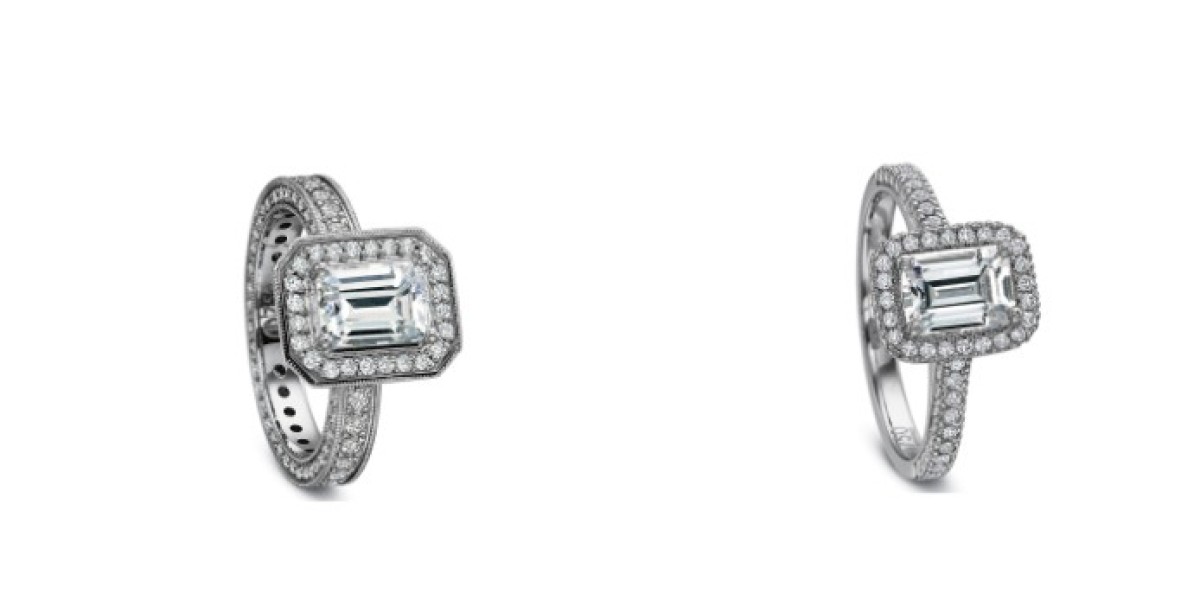
Round diamonds remain popular for their classic appearance and brilliant sparkle. Oval diamonds offer an elongated silhouette, while pear-shaped stones combine a rounded end with a pointed tip. Princess-cut diamonds appeal to those who appreciate geometric lines, and emerald-cut diamonds are recognized for their rectangular shape and step-cut facets.
For individuals who prefer a distinctive look, colored gemstones provide another way to personalize an engagement ring. Green gemstones, in particular, can create a striking contrast against precious metals and offer an alternative to traditional colorless diamonds.
When exploring different options, consider which shapes and colors best reflect the wearer's taste rather than choosing a stone simply because it is currently fashionable.
2. Understand the Appeal of Emerald Engagement Rings
Emerald engagement rings can appeal to people who appreciate rich color, distinctive character, and a sophisticated appearance. Their green hues range from lighter shades to deeper, more saturated tones, allowing buyers to explore different looks according to their preferences.
The term can refer to rings featuring emerald gemstones or, in some contexts, engagement rings with emerald-cut diamonds. These are different choices: an emerald gemstone is valued partly for its green color, while an emerald-cut diamond is a diamond cut into a rectangular shape with step-like facets.
Both options offer opportunities for creating a memorable ring. A green emerald gemstone can provide a colorful focal point, while an emerald-cut diamond offers a clean silhouette and understated elegance.
Before purchasing, make sure you understand which type of stone you are considering. This distinction affects the ring's appearance, care requirements, durability, and price.
3. Choose a Setting That Complements the Center Stone
The setting influences both the style and practicality of an engagement ring. A well-chosen design can highlight the gemstone while providing appropriate support for everyday wear.
A solitaire setting keeps the focus on the center stone and works well for people who appreciate simplicity. Halo settings surround the main stone with smaller gemstones, creating additional detail and a more decorative appearance. Three-stone settings introduce extra symbolism and visual balance, while bezel settings use a metal rim around the stone for a streamlined finish.
When choosing a setting for a green emerald, protection deserves particular attention. Emeralds commonly contain natural inclusions and can be more vulnerable to damage than diamonds. A suitable setting can help protect exposed edges and corners, although no setting makes a gemstone completely resistant to damage.
For emerald-cut diamonds, the setting can emphasize the stone's clean lines and broad facets. The best option depends on the desired appearance, the stone's proportions, and the wearer's daily activities.
4. Select a Precious Metal That Enhances the Design
The metal used for an engagement ring can significantly influence its overall appearance. Yellow gold, white gold, rose gold, and platinum each offer a different aesthetic.
Yellow gold creates a warm, traditional look and can provide an appealing contrast with a green gemstone. White gold and platinum offer a bright, contemporary appearance that complements many diamond designs. Rose gold introduces a softer tone for those who prefer a romantic or unconventional style.
Consider the jewelry the intended wearer already owns. Someone who regularly wears yellow-gold necklaces and bracelets may appreciate a ring in a similar metal, while a person who favors silver-toned accessories might prefer white gold or platinum.
It is also worth considering maintenance requirements. Different metals vary in hardness, appearance, and care needs, so ask a jeweler about the practical differences before making a decision.
5. Balance Beauty With Everyday Practicality
An engagement ring is often worn daily, making durability and comfort important considerations alongside appearance.
Think about the wearer's work, hobbies, and routine. Someone who frequently uses their hands may benefit from a setting with fewer exposed edges or protruding details. A lower-profile design may also be more convenient for everyday activities.
Gemstone selection matters as well. Diamonds are highly suitable for everyday jewelry because of their hardness, whereas emeralds require more careful handling. Emeralds can be sensitive to impact, and many are treated to improve their clarity. These treatments can influence the care products and cleaning methods that are appropriate for the stone.
If you choose an emerald gemstone, ask whether it has undergone clarity enhancement and request clear instructions for its maintenance. Ultrasonic cleaners, steam cleaning, and harsh chemicals may be unsuitable for some treated emeralds.
Understanding these factors before buying helps ensure that the ring suits the wearer's lifestyle as well as their personal taste.
6. Consider the Importance of Color and Clarity
When comparing gemstones, color and clarity can have a significant influence on their appearance and value.
For emerald gemstones, color is an especially important consideration. Buyers often compare hue, saturation, and tone to find a green shade they find attractive. Natural inclusions are common in emeralds, so clarity should be evaluated with an understanding of the gemstone's characteristics rather than the expectation that every stone will be flawless.
For emerald-cut diamonds, clarity also deserves careful attention. The step-cut faceting pattern creates broad, open surfaces that can make certain inclusions more noticeable than they might be in other diamond shapes. Examining the stone under appropriate lighting and reviewing its grading report can help you make an informed choice.
Whenever possible, compare several stones in person or through reliable high-quality images. A gemstone's appearance can vary with lighting conditions, so consider how it looks beyond a single photograph.
7. Set a Realistic Budget
Establishing a budget before shopping helps you focus on rings that suit your financial priorities.
The price of an engagement ring depends on several factors, including the type of gemstone, its quality, carat weight, origin where relevant, metal choice, and setting complexity. Natural emeralds can vary considerably in price depending on their color, clarity, treatments, and overall quality. Emerald-cut diamonds have their own pricing considerations based on the diamond's characteristics and grading.
Rather than focusing on size alone, identify the features that matter most to you. You might prioritize a particular green hue, a well-proportioned diamond, a preferred metal, or a carefully crafted setting.
Compare options from reputable jewelers and ask for clear information about gemstone treatments, grading reports where applicable, warranties, and return policies. This approach can help you make a confident decision without spending beyond your intended budget.
8. Personalize the Ring With Thoughtful Details
Small design choices can transform an engagement ring into something more personal. Engraving a meaningful date, choosing a distinctive band, or incorporating a family gemstone can add sentimental value without making the design overly elaborate.
The setting can also express individuality. A vintage-inspired ring may feature decorative metalwork, while a contemporary design might use clean lines and a simple band. Some couples prefer subtle details that are visible only from certain angles, creating a personal connection without changing the ring's overall appearance.
If the wearer enjoys colorful jewelry, a green gemstone can serve as the central design feature. If they prefer a more understated look, an emerald-cut diamond in a simple setting may provide the desired balance of elegance and restraint.
The goal is to create a ring that feels connected to the person's preferences and the relationship it represents.
9. Buy From a Reputable Jeweler
Choosing a trustworthy jeweler is an important part of the buying process. A reputable professional should be willing to explain the differences between gemstone types, disclose known treatments, and provide appropriate documentation.
For emerald gemstones, ask whether the stone is natural or laboratory-grown and whether it has received clarity treatments. Request information about the stone's origin if that matters to your purchase, and make sure any origin claims are supported by suitable documentation.
For diamonds, review the available grading information and confirm that the report corresponds to the stone being sold. You should also understand the retailer's policies for resizing, repairs, cleaning, and returns.
Clear communication helps you compare options fairly and reduces the risk of unexpected costs or misunderstandings after purchase.
Conclusion
Choosing an engagement ring that combines elegance and individuality starts with understanding the wearer's preferences and the characteristics of different gemstones. From the color of an emerald to the clean lines of an emerald-cut diamond, each design offers a different way to express personal style.
By considering the stone, setting, metal, durability, budget, and jeweler's reputation, you can make a more informed choice. The most meaningful ring is not necessarily the most expensive or elaborate. It is the one that reflects the wearer's personality and symbolizes a commitment that matters to both partners.




