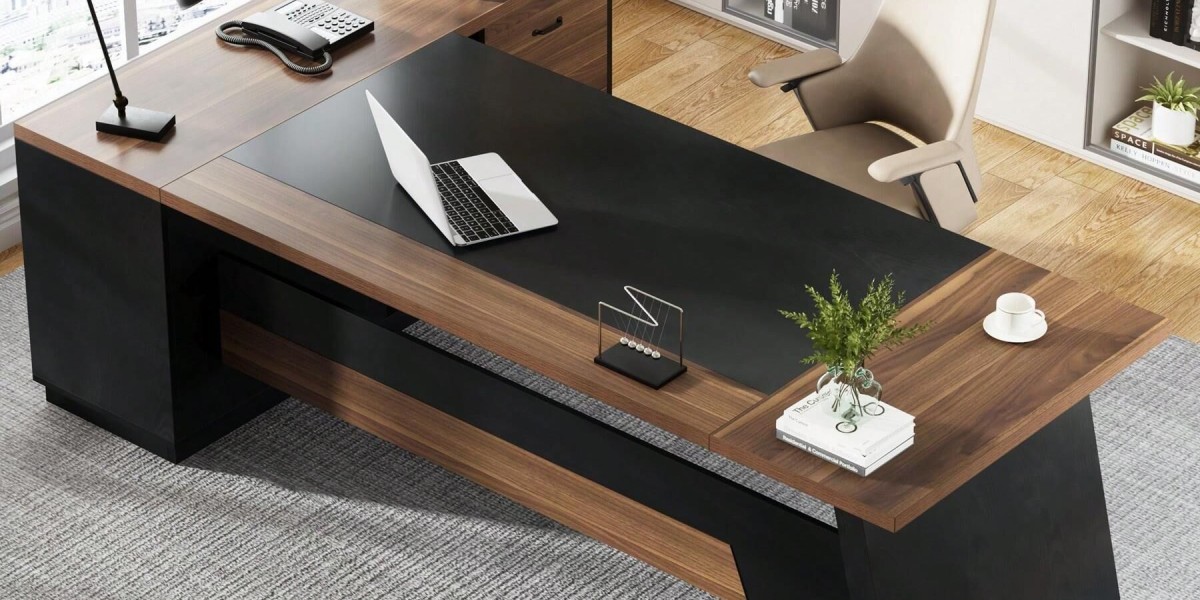

A well-equipped office gives employees the tools and space they need to complete their work with confidence. From arranging individual desks to organising shared areas, every furnishing decision can affect how a workplace functions throughout the day. Choosing Office furniture that matches business requirements helps create a comfortable environment, maintain order, and support professional standards. Companies must consider more than visual appeal when selecting desks, chairs, cabinets, and conference tables. Available space, employee responsibilities, material quality, and purchasing costs also deserve attention. For businesses across the Philippines, a practical furnishing plan can help create a workplace that accommodates daily activities while remaining flexible enough to support future changes.
Match Furniture Selection With Everyday Tasks
The most effective office layouts begin with an understanding of how employees spend their working hours. Staff who handle paperwork may require large desk surfaces and accessible filing systems. Employees working with digital tools may need dedicated space for monitors, keyboards, chargers, and other equipment. Managers may require private offices, while departments that collaborate regularly can benefit from shared workstations. Understanding these differences helps businesses select furniture that supports actual working conditions instead of following a standard layout for every department. Managers should also consider how often employees use shared equipment and whether certain tasks require additional privacy. When furniture matches daily responsibilities, employees can organise their work more efficiently and spend less time adjusting their surroundings.
Arrange Office Zones for Smoother Movement
Dividing an office into functional zones can make the entire workplace easier to navigate. Workstations should provide sufficient room for focused tasks, while meeting areas should support group discussions without disrupting nearby employees. Reception spaces need clear access for visitors, and storage areas should remain convenient without blocking walkways. Businesses can establish these zones through furniture placement rather than installing permanent partitions. Desk arrangements, shelving units, and meeting tables can help define separate areas while maintaining an open feel. Before moving furniture, measure the room and consider door openings, emergency exits, and frequently used pathways. A thoughtful layout allows employees to move between activities comfortably and helps the office feel more organised throughout the working day.
Invest in Desks That Offer Everyday Convenience
A desk should accommodate the equipment and materials an employee needs without creating unnecessary clutter. Businesses should evaluate tabletop dimensions, legroom, frame stability, and available storage before selecting a particular design. Employees who use multiple monitors may require wider surfaces, while compact desks can suit roles with simpler equipment requirements. Built-in cable openings can help keep wires organised, and drawers may provide convenient storage for frequently used documents. Desk height is another important consideration because it influences how employees position their arms and equipment. Companies should also consider the distance between desks to ensure that chairs can move freely. Selecting suitable desk designs helps employees maintain organised work areas and makes daily tasks more convenient.
Choose Seating That Encourages Comfortable Working Habits
Employees need seating that supports their working routines and allows them to adjust their positions throughout the day. Adjustable office chairs can accommodate different heights and preferences, while suitable backrests help provide support during desk-based tasks. Businesses should compare seat depth, lumbar support, armrests, upholstery, and adjustment mechanisms before purchasing chairs. Employees should be able to sit with their feet supported and their shoulders relaxed while using their workstations. For meeting rooms, chairs should remain comfortable during discussions and presentations. Reception seating should be selected according to visitor needs and available floor space. By considering comfort and intended use, businesses can choose seating that supports everyday activities while maintaining a consistent professional appearance.
Improve Document Management With Smart Storage
Office storage plays an important role in keeping essential materials organised and accessible. Without suitable cabinets or drawers, paperwork and supplies can accumulate on desks and shared surfaces. Businesses should determine which documents need secure storage, which supplies require frequent access, and which materials can be stored for longer periods. Filing cabinets are useful for physical records, while lockable cupboards can protect sensitive documents. Mobile pedestals provide convenient storage beside desks, and shelving units can accommodate books, folders, and shared supplies. Storage furniture should also fit the available space and allow drawers or doors to open without obstruction. A well-planned system makes it easier for employees to locate materials and maintain orderly workstations.
Select Furniture Materials With Care
Material selection affects furniture appearance, durability, and maintenance. Businesses should compare available finishes and construction methods according to their intended use. Laminate surfaces can be practical for everyday desks, while metal frames may provide strong support for workstations and storage units. Upholstered seating should be comfortable and suitable for regular cleaning. In the Philippines, warm temperatures and humidity may influence how certain materials perform, so proper ventilation and maintenance are worth considering. Buyers should inspect joints, hinges, drawer runners, edges, and other components before making a purchase. They should also review warranty conditions and ask suppliers about recommended care practices. Selecting appropriate materials can help reduce avoidable damage and preserve the appearance of workplace furnishings over time.
Maintain a Consistent and Professional Interior
An office should reflect the company's identity while providing a comfortable setting for employees and visitors. Furniture colours, finishes, and shapes can help create a consistent appearance across different rooms. Businesses may choose neutral desks and cabinets for a clean look, then introduce complementary colours through chairs or selected furnishings. Reception desks, meeting tables, and executive workstations should fit the overall design without compromising their practical purpose. A coordinated interior does not require every item to look identical. Instead, the goal is to select pieces that work well together and suit the atmosphere the business wants to create. Consistent design can make the workplace feel more organised and reinforce a professional impression during client visits and business meetings.
Furnish Shared Spaces for Better Teamwork
Shared office areas give employees opportunities to discuss projects, exchange information, and solve problems together. Their furniture should support these activities while making efficient use of the available room. Conference tables are suitable for formal discussions, while smaller tables may work better for quick team meetings. Movable chairs and modular furniture allow companies to adjust arrangements for presentations, training sessions, and collaborative projects. Businesses should also consider access to power outlets and presentation equipment when planning meeting spaces. In smaller offices, multipurpose rooms can accommodate several activities without requiring separate areas for every task. Suitable furniture arrangements make shared spaces more functional and help teams communicate without unnecessarily interrupting employees working nearby.
Set a Realistic Budget for Office Furnishings
A clear budget helps businesses make purchasing decisions based on priorities rather than appearance alone. Companies should first identify essential requirements, such as employee desks, suitable chairs, and storage for important documents. Additional furniture can be purchased later as operational needs develop. When comparing suppliers, buyers should review product dimensions, construction quality, delivery charges, assembly services, and warranty coverage. These factors influence the total cost of furnishing an office. It is also worth considering how long each item is expected to remain useful. A durable product may offer better long-term value than a cheaper alternative that requires frequent repairs. Careful budgeting helps businesses maintain quality standards while keeping spending under control.
Prepare Furniture Arrangements for Future Growth
Business requirements can change as employee numbers increase, departments expand, or working arrangements evolve. Furniture that supports flexible layouts can make these changes easier to manage. Modular desks allow businesses to modify workstation arrangements, while mobile cabinets can be relocated when departments reorganise. Stackable chairs and movable tables can help meeting rooms accommodate different activities. Companies should also review their existing furniture before buying additional pieces, as suitable items may be reused in another department. Choosing furniture with compatible dimensions and practical designs can simplify future additions. Planning for growth does not mean filling the office with unnecessary items today. It means selecting furnishings that can continue serving the business as its needs develop.
Protect Furniture Through Regular Maintenance
Routine care helps businesses preserve furniture quality and avoid preventable replacement expenses. Desk surfaces should be cleaned with suitable products, and chairs should be checked for loose fittings or faulty adjustment mechanisms. Cabinets and shelving units should remain within their recommended weight limits. Employees should also report damage promptly so that minor issues can be addressed before they become more serious. In humid environments, keeping rooms properly ventilated and dealing with moisture quickly can help protect suitable furniture materials. Businesses may benefit from assigning responsibility for periodic inspections of shared spaces and frequently used equipment. Simple maintenance practices support a cleaner workplace, protect the company's investment, and help furnishings remain functional for longer.
Make Practical Decisions for a Better Workplace
Furnishing an office successfully requires careful planning, suitable materials, comfortable seating, and a clear understanding of business priorities. Companies should assess how employees work, measure available space, and compare products before making final decisions. Storage requirements, meeting arrangements, maintenance needs, and future expansion should also influence the selection process. Choosing appropriate Office furniture helps businesses create organised workstations, maintain a professional environment, and make better use of their available resources. Regular care and flexible planning can further improve long-term value. Cebu office furniture den can be considered by businesses exploring furnishing options that match their workspace requirements, operational activities, and budget in the Philippines.