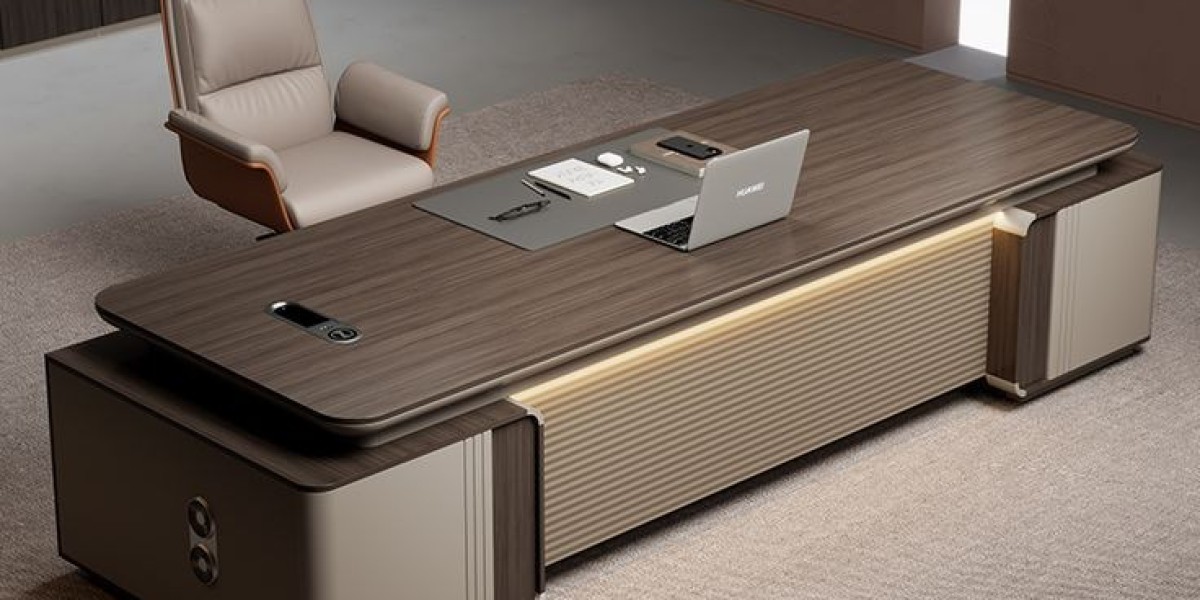

A productive office depends on furniture that supports employees throughout their working day. From handling paperwork to attending virtual meetings, employees need a reliable workspace where essential equipment remains accessible and daily activities feel manageable. Choosing the right Office Desk helps businesses create an environment that supports organization, concentration, and professional presentation. The selection process should begin with an understanding of how the office operates. Companies need to consider employee responsibilities, available floor space, storage requirements, and the equipment used at each workstation. A small business may prioritize compact furniture that makes the most of a limited room, while a larger organization may need spacious workstations for different departments. The right furniture should provide enough room for everyday tasks without restricting movement or creating unnecessary clutter. By focusing on practical requirements instead of appearance alone, businesses can make informed purchasing decisions and develop workspaces that serve their teams effectively.
Choose Workstations That Suit Different Working Methods
Employees perform different tasks throughout the day, and their furniture should reflect those differences. Some professionals spend most of their time working on computers, while others regularly prepare reports, organize paperwork, or communicate with clients. A suitable workstation provides enough surface area for these activities and allows employees to arrange their equipment conveniently. Computer-based roles may require room for monitors, keyboards, headphones, and charging accessories. Administrative employees may need additional space for files, folders, and printed documents. Managers might prefer wider work surfaces that accommodate paperwork and occasional discussions with colleagues. Shared workstations should be simple to use and easy to maintain between users. Businesses should identify these requirements before comparing available designs. This approach prevents them from purchasing furniture that offers unnecessary features or fails to meet everyday needs. Matching desk configurations to working methods also helps create a more organized office where each employee has an appropriate space for completing assigned responsibilities.
Use Available Floor Space More Effectively
Office layout planning becomes particularly important when several employees share the same room. Furniture that occupies too much space can restrict movement, reduce flexibility, and make the environment feel crowded. Before purchasing desks, businesses should measure the room and map out suitable locations for workstations, storage units, meeting areas, and walkways. Straight desks can work well in orderly workstation rows, while corner designs may help use otherwise underutilized areas. Compact models are useful for smaller offices where employees need practical surfaces without bulky furniture. Companies should also consider the space required to pull out chairs, open drawers, and access cabinets comfortably. Electrical outlets and natural light should influence workstation placement as well. A carefully planned arrangement makes the office easier to navigate and helps employees access shared resources. Leaving some open space is equally important because an office should support comfortable movement rather than simply accommodate the maximum possible number of desks.
Pay Attention to Construction and Product Quality
The quality of office furniture affects its stability, appearance, and ability to withstand regular use. Desks used every working day should have dependable frames, secure joints, and surfaces suited to their intended purpose. Buyers should inspect the supporting legs, tabletop thickness, edge finishing, and drawer mechanisms before making a decision. Laminate surfaces are often suitable for commercial environments because they come in various finishes and are generally easy to clean. Engineered wood offers different appearance and price options, while metal frames can provide additional structural support. Solid wood may suit offices that prefer traditional furniture, although costs and care requirements vary. Businesses should also check the manufacturer's specifications for load capacity, maintenance, and assembly. Furniture quality should be assessed according to the workload it will handle rather than its appearance in a showroom. Selecting products with suitable construction can help reduce maintenance requirements and avoid premature replacement, making the purchasing decision more practical over time.
Keep Essential Equipment Within Easy Reach
An organized workstation allows employees to access frequently used equipment without repeatedly rearranging their surroundings. The placement of monitors, keyboards, notebooks, telephones, and stationery can influence how comfortably people complete routine activities. A desk should provide enough room for essential items while preserving a clear area for writing and reviewing documents. Employees who use several monitors may need a wider tabletop, whereas laptop users may prefer a smaller surface with space for an external keyboard and mouse. Monitor stands can improve screen positioning, and cable organizers can prevent wires from spreading across the working area. Desk organizers offer convenient storage for pens, sticky notes, and other small supplies. Businesses should select accessories that solve specific problems rather than overcrowding the surface with unnecessary additions. Keeping important items within easy reach reduces repeated movements and makes the workstation easier to manage. A simple arrangement can often provide better functionality than a desk filled with decorative or rarely used accessories.
Incorporate Storage Without Sacrificing Space
Storage plays an important role in maintaining a tidy office. Employees may need quick access to stationery, folders, personal belongings, and documents, but these items should not occupy the entire working surface. Desks with drawers can keep frequently used supplies nearby, while mobile pedestals provide extra storage that can be moved when necessary. Filing cabinets are useful for departments that manage larger quantities of physical records. Businesses should determine the amount of storage required by each team before selecting furniture with built-in compartments. Too little storage can create clutter, while oversized storage units may consume valuable floor space. Digital workplaces may require less filing capacity but still need room for electronic accessories and office supplies. A practical combination of desk storage and shared cabinets can meet these needs without overcrowding individual workstations. Companies should also establish simple organizational practices so employees know where to keep essential materials. Effective storage planning improves accessibility and helps the office maintain a clean, orderly appearance.
Make Employee Comfort a Priority
A workstation should accommodate the employee using it rather than forcing the person to adjust to unsuitable furniture. Desk height, chair position, monitor placement, and legroom all influence everyday comfort. Employees should be able to sit naturally, position their arms comfortably, and access their equipment without excessive reaching. The screen should be placed at an appropriate viewing distance and height to avoid encouraging awkward head positions. Businesses can consider adjustable desks when flexibility between sitting and standing is important. However, fixed desks can also provide a suitable working arrangement when their dimensions are appropriate and the chair is correctly adjusted. Shared offices may need a range of chair adjustments or workstation options to accommodate different users. Proper lighting and clear walkways further improve the working environment. Encouraging employees to move regularly throughout the day is also beneficial. By considering these factors during furniture selection, businesses can create workstations that support comfortable working habits and meet the practical needs of their teams.
Coordinate Desk Finishes With Your Office Design
The visual appearance of office furniture influences the overall character of a workplace. A coordinated interior can make the environment feel professional, organized, and welcoming to employees and visitors. Businesses can choose from a range of finishes depending on their preferred style and existing furnishings. Natural wood tones introduce warmth, while white surfaces can contribute to a bright and simple appearance. Grey and black finishes may suit formal corporate interiors, particularly when paired with suitable lighting and complementary chairs. Companies should consider flooring, wall colours, storage cabinets, meeting tables, and reception furniture before finalizing their selections. Consistency does not require every workstation to be identical. Different desk styles can serve separate departments while maintaining a common colour palette or material finish. The important consideration is whether the furniture works visually and functionally within the space. Choosing finishes carefully helps businesses create an interior that reflects their brand personality without compromising usability or employee comfort.
Control Furniture Expenses With Careful Planning
Furniture purchasing can become expensive when businesses buy items without assessing their actual requirements. A clear budget helps managers prioritize essential features and compare suitable options. The purchase price is only one part of the total cost; delivery, assembly, installation, accessories, and maintenance should also be considered. A low-priced desk may be appropriate for light use, but a heavily used workstation may require stronger construction. Conversely, expensive features may provide little value when employees do not need them. Companies should compare dimensions, materials, storage capacity, warranty conditions, and expected service life before making a final decision. Businesses furnishing several departments may also benefit from selecting compatible furniture that simplifies future additions and replacements. Purchasing in stages can help smaller organizations spread costs while ensuring that essential workstations receive priority. Careful planning allows companies to balance quality and affordability while avoiding unnecessary purchases. The aim is to obtain furniture that performs reliably and meets genuine workplace requirements.
Plan for Changing Office Requirements
As a business develops, its furniture needs may change. New employees, updated technology, and revised working arrangements can all affect how workstations should be organized. Companies can prepare for these changes by selecting practical furniture that fits different equipment configurations and office layouts. Desks with sufficient surface space can accommodate additional monitors or accessories, while compatible designs make it easier to expand an existing department. Modular arrangements may be useful for businesses that expect frequent changes in team size. Managers should also consider whether existing furniture can be repositioned or reused before purchasing new items. Planning for electrical access, storage capacity, and comfortable walkways can reduce disruption during future office changes. It is unnecessary to buy furniture for every possible scenario, but selecting adaptable options can provide greater flexibility. Reviewing the office layout periodically helps businesses identify areas that need improvement and maintain an environment that continues to support their operational goals.
Select Office Furniture That Delivers Lasting Value
Creating a functional workplace requires a balance between practical design, construction quality, employee comfort, and financial planning. Businesses should assess how employees work, measure the available space, and compare furniture features before choosing suitable workstations. The right desk can support organization, provide room for essential equipment, and contribute to a professional interior. Storage options, durable materials, and thoughtful placement can further improve the daily experience of using the office. Companies should also consider how their furniture choices will accommodate future changes without creating unnecessary expenses. Modern desks and office cubicles can be considered when exploring furniture options for different office sizes, layouts, and working requirements. Ultimately, informed purchasing decisions help businesses establish organized workspaces that use available space efficiently, support employee needs, and remain practical as daily operations evolve.