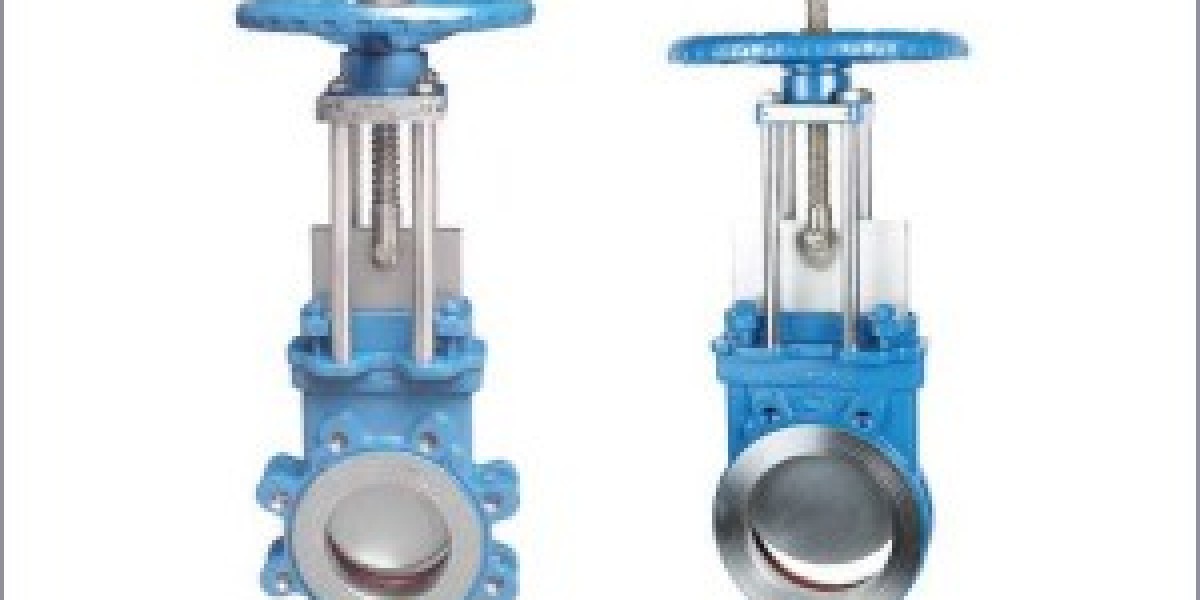

Selecting the right valve is essential for maintaining safe and efficient pipeline operations. Industrial pipelines transport water, oil, gas, chemicals, and other fluids under different pressure and temperature conditions. Each application has specific requirements that influence valve design, material selection, and performance. A reliable gate valve supplier can help engineers, contractors, and procurement teams identify suitable products based on these operating conditions. This approach reduces compatibility issues and supports long-term pipeline reliability.
Understanding Pipeline Operating Conditions
Before recommending a valve, a supplier needs to understand how the pipeline will operate. Important factors include working pressure, fluid temperature, flow characteristics, pipe diameter, and the type of material being transported.
For example, a water distribution pipeline may require different valve specifications from an industrial system carrying hot oil or corrosive chemicals. Environmental conditions, installation space, and maintenance access can also influence the final selection.
An experienced gate valve supplier reviews these requirements before suggesting a product. This helps ensure that the selected valve matches the pipeline's intended application rather than relying on general specifications alone.
Selecting the Appropriate Valve Material
Material selection directly affects the durability and performance of a gate valve. Common valve body materials include cast iron, ductile iron, carbon steel, and stainless steel. Each material has different mechanical properties and resistance to corrosion.
Ductile iron valves are often used in water distribution systems, while carbon steel designs may be suitable for many industrial applications involving higher pressures or temperatures. Stainless steel can be appropriate for environments where corrosion resistance is an important consideration.
However, no material is suitable for every application. The fluid composition, operating temperature, pressure requirements, and surrounding environment must all be evaluated.
A knowledgeable supplier can explain the available material options and help buyers compare them against project specifications.
Matching Pressure and Temperature Ratings
Every gate valve has defined pressure and temperature limits. Selecting a valve without considering these limits can lead to leakage, premature wear, or equipment failure.
The supplier should verify the pipeline's normal working pressure, maximum expected pressure, and operating temperature. Pressure surges may also need consideration, particularly in systems where pumps start and stop frequently.
Pressure ratings should always be reviewed alongside the manufacturer's pressure-temperature data. A valve's allowable pressure may change as its operating temperature increases.
By checking these details before procurement, a gate valve supplier helps customers avoid choosing products that cannot safely withstand the expected service conditions.
Choosing the Correct Valve Size and Connection
Valve sizing is another important part of pipeline planning. The valve must match the pipeline dimensions and provide suitable flow capacity for the intended application.
An incorrectly sized valve can create installation difficulties or affect system performance. Buyers should also confirm the connection type, such as flanged, threaded, or other specified arrangements, according to the pipeline design.
The face-to-face dimensions, flange drilling, and applicable connection standards should be checked before ordering. These details help ensure that the valve fits the existing pipeline without unnecessary modifications.
Considering Maintenance and Service Requirements
A valve should remain accessible for inspection, operation, and maintenance throughout its service life. Suppliers can help buyers consider installation orientation, available space, operating frequency, and the need for replacement parts.
For pipelines requiring regular maintenance, dependable product documentation and access to compatible components can simplify future servicing. Buyers should also review the manufacturer's recommendations for installation, inspection, and testing.
Proper selection and maintenance planning can reduce unexpected downtime and support more consistent industrial operations.
Conclusion
Matching a gate valve to pipeline conditions requires careful consideration of pressure, temperature, materials, size, and maintenance requirements. A reliable gate valve supplier can help project teams evaluate these factors and identify products that meet their technical specifications. By making informed purchasing decisions, businesses can improve pipeline safety, reduce maintenance challenges, and achieve dependable valve performance over time.