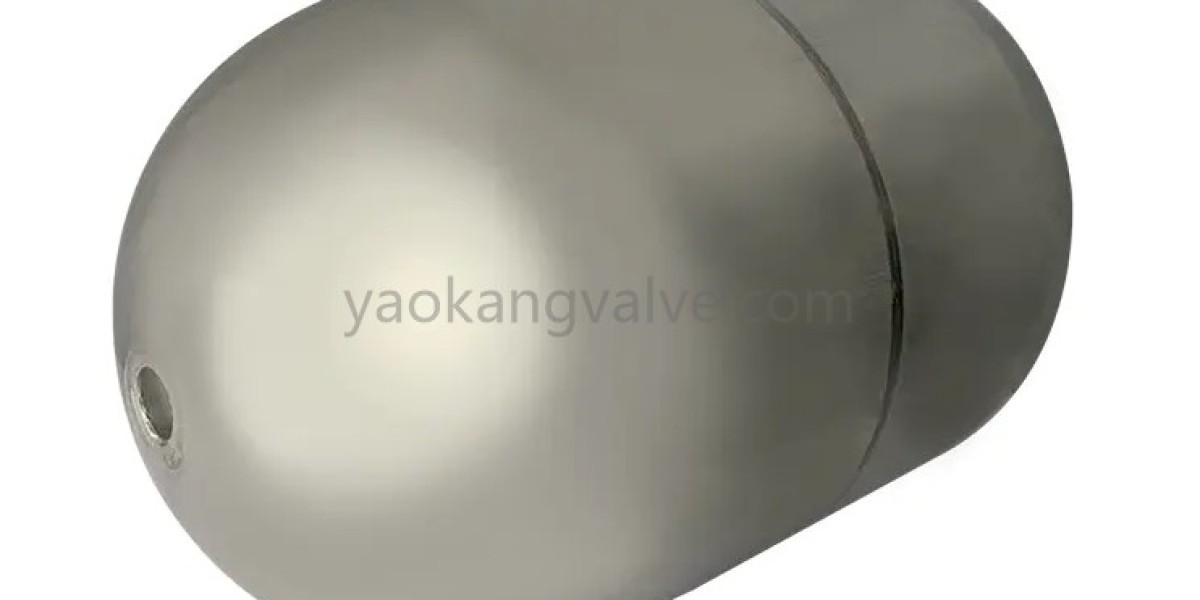

Industrial valve manufacturers and fluid equipment suppliers need components that meet defined material, dimensional, and performance requirements. A Stainless Steel Float Ball Factory can serve buyers seeking metal float components for liquid level regulation, storage equipment, and mechanical valve assemblies. When evaluating a potential supplier, purchasing teams should consider manufacturing experience, material traceability, customization capabilities, quality control, and the ability to maintain consistent specifications across repeat orders.
Stainless steel is widely used in industrial component manufacturing because it offers useful mechanical properties and resistance to corrosion in many environments. However, performance depends on the selected grade and the conditions of use. Grades such as SS304 and SS316 may be considered for different applications, but the correct choice should be based on the working liquid, temperature, cleaning process, and potential exposure to corrosive substances. Buyers should verify material suitability before confirming a production order.
The design of a float component must match its intended function. Diameter, wall thickness, roundness, and internal construction can affect buoyancy and movement inside a valve assembly. Dimensional deviations may lead to installation difficulties or inconsistent mechanical response. For this reason, technical drawings should identify the critical measurements and acceptable tolerances. When a project involves a new design, sample evaluation can help confirm compatibility before production quantities are increased.
Manufacturing processes should be selected according to the required structure and product specifications. Depending on the design, production may involve forming, welding, machining, and surface treatment. Process parameters and inspection procedures should be established to support dimensional stability and structural integrity. Where welded construction is used, the quality of the joints should be assessed according to the product design and its intended operating conditions. Surface finishing should also meet the agreed requirements for appearance, cleanliness, and application suitability.
Quality management is particularly important when supplying components to OEM customers. A practical inspection program may include incoming material verification, dimensional measurement, visual inspection, and additional tests where the design requires them. Buyers should clarify whether material certificates, inspection reports, or other supporting documents are necessary. Defining these expectations before production begins helps prevent misunderstandings and gives both parties a consistent basis for evaluating the finished goods.
Customization is often necessary because valve assemblies differ in size, structure, and operating requirements. Depending on manufacturing capabilities, customers may request specific dimensions, material grades, surface finishes, or packaging configurations. A clear technical brief should include the intended application, working environment, target quantity, and any special quality requirements. For complex projects, reviewing a sample or prototype before mass production can help identify potential design issues and reduce costly changes later.
A supplier's production planning also affects procurement reliability. Buyers handling recurring orders need predictable lead times, consistent specifications, and communication about production progress. Maintaining approved drawings, sample references, and inspection records can help prevent differences between batches. For international shipments, appropriate packaging and clear product identification are useful for protecting components and simplifying warehouse handling after delivery.
Wholesale purchasers should also evaluate the supplier's ability to support different order sizes. Small trial orders may be useful for validating a component, while larger orders require effective scheduling and quality monitoring. Buyers should discuss minimum order quantities, sample policies, customization costs, and shipping arrangements during the quotation process. A transparent purchasing agreement makes it easier to coordinate production schedules and manage inventory requirements.
Technical suitability should remain the primary consideration when choosing a manufacturing partner. The component must be compatible with the intended liquid, valve mechanism, installation space, and service conditions. Buyers should avoid assuming that all stainless steel products offer identical performance, since material grade and construction can significantly influence suitability. Clear communication and agreed inspection standards help establish realistic expectations for both quality and delivery.
Selecting a capable Stainless Steel Float Ball Factory can support long-term sourcing for valve manufacturers, industrial distributors, and fluid equipment suppliers. A dependable supplier should be able to clarify technical requirements, maintain production consistency, and coordinate customized orders according to agreed specifications. Yongjia County Yaokang Technology Co., Ltd. offers product information for industrial valve applications. Visit https://www.yaokangvalve.com/product/ to review available products and discuss your sourcing needs.