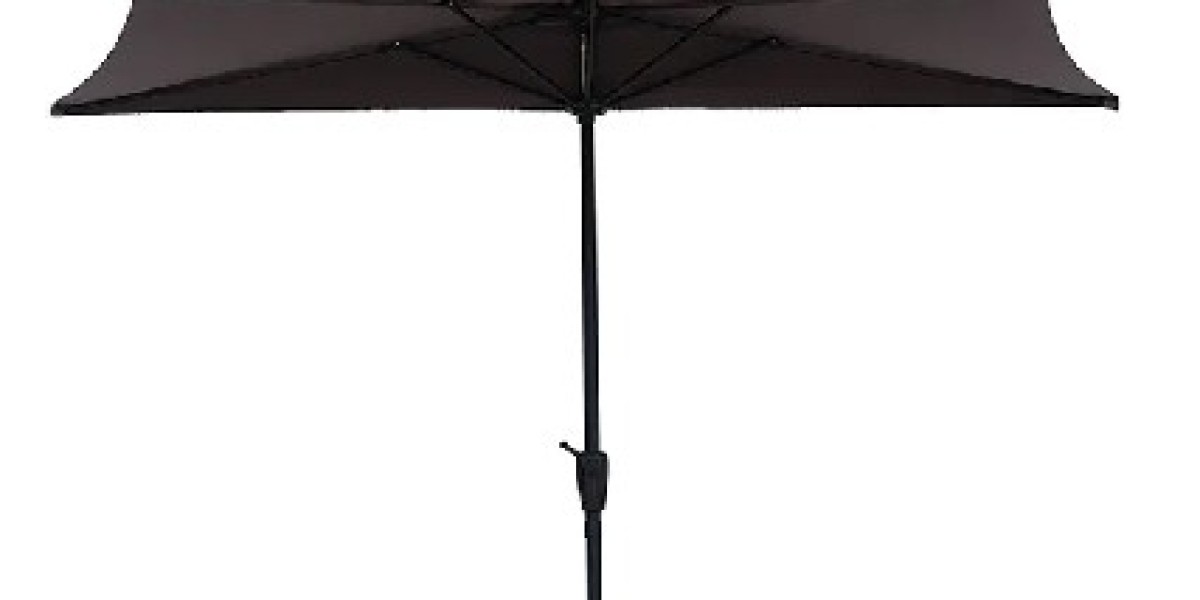

Outdoor spaces often serve multiple purposes, from family meals to commercial dining and social gatherings. A practical canopy can help define these areas and provide shade during everyday activities. An Umbrella Shade Tent can combine an umbrella-style structure with the purpose of creating a more usable covered space. Depending on its configuration, it may be suitable for gardens, patios, terraces, outdoor dining areas, and selected commercial leisure environments.
Before selecting a product, buyers should determine how the shaded area will be used. A small garden seating area may need coverage for a few chairs, while an outdoor dining arrangement may require a wider canopy. Commercial users may need to accommodate customer seating, displays, or temporary activities. Understanding the number of users, available floor space, and expected frequency of use helps establish practical requirements.
Canopy shape and dimensions affect how the structure fits into its surroundings. Round, square, and rectangular designs can suit different furniture arrangements. A compact canopy may work well in a small courtyard, while a larger model may cover a wider seating area. Buyers should measure the installation location and leave adequate clearance for doors, walkways, furniture, and nearby structures.
Support configuration also influences the layout. A center-pole umbrella may suit a compatible dining table, while an offset design can leave more space beneath the canopy by positioning the support to one side. Buyers should compare the structure with their intended furniture arrangement rather than selecting solely by appearance. Opening mechanisms, adjustment options, and ease of handling can also affect everyday convenience.
Material selection contributes to outdoor usability. Canopy fabric should suit the expected sunlight exposure and cleaning routine, while the frame should be appropriate for the canopy dimensions and intended application. Color and texture can help the structure coordinate with outdoor furniture, decking, paving, and landscaping. Reviewing the manufacturer's material information helps buyers understand recommended care and operating limitations.
The base and anchoring arrangement should not be overlooked. A canopy can be affected by wind, so stability depends on correct installation and compatibility among the frame, base, and installation surface. Buyers should follow the manufacturer's guidance and avoid assuming that a single base type suits every model. The structure should be closed, secured, or removed when weather conditions exceed its recommended operating limits.
Residential users may value the flexibility to create a shaded place for reading, dining, or relaxing without making major changes to their property. A canopy can distinguish a patio seating zone from the surrounding garden. Coordinating the fabric with chairs, tables, cushions, and planters can create a consistent appearance. Compact dimensions may be especially important where space is limited.
In commercial settings, an umbrella-style canopy can help organize outdoor seating and customer areas. Restaurants and cafés may use shade structures to create dining zones, while hotels and resorts may incorporate them into garden lounges and recreational spaces. When several units are installed together, buyers should consider spacing, access routes, furniture placement, and overall visual consistency.
Regular care helps maintain the canopy and supporting components. Cleaning should follow the recommendations for the specific fabric and frame materials. Leaves and dirt should be removed when necessary, and the operating mechanism and connections should be inspected periodically. If the product is designed for seasonal storage, the canopy should be dried before packing away when recommended by the manufacturer.
For distributors, retailers, and project buyers, useful evaluation criteria include supplier experience, product variety, material options, manufacturing consistency, and customization availability. Providing information about the intended application and installation environment can make product selection more efficient. Buyers should also confirm specifications, care requirements, and operating limitations before finalizing a purchase.
The right canopy can improve an outdoor area's usability while maintaining an open and welcoming atmosphere. Considering dimensions, support design, materials, installation, and maintenance helps buyers choose an appropriate solution. An Umbrella Shade Tent may be suitable for residential gardens, patios, hospitality venues, and outdoor leisure spaces. For product details and available umbrella designs, visit Linhai Hongtai Leisure Products Co., Ltd. at https://www.parasol-ht.com/.