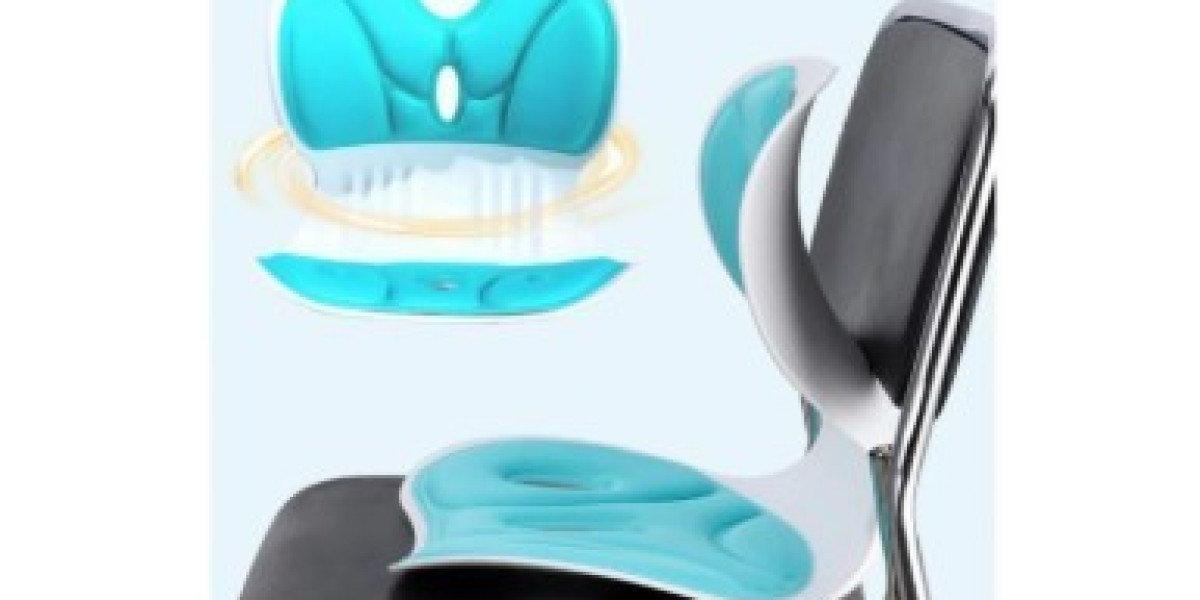

People use chairs in many different environments, from office workstations and study areas to vehicles and home living spaces. An Adjustable Lumbar Support Cushion offers a way to modify the position or fit of additional lower-back support to suit individual seating preferences. Its value depends on the adjustment mechanism, cushion shape, material construction, and compatibility with the chair. For product buyers, evaluating these features together can help identify designs that are practical for different users without assuming that one configuration suits everyone.
Adjustability often begins with the way a cushion attaches to the seat. Straps can allow the user to raise or lower the product along the backrest, while buckles or other fasteners help maintain the selected position. The adjustment range should be sufficient for the intended chair types, and the fastening components should be simple to operate. A well-planned attachment system can make the product easier to install and reposition when users change chairs or prefer a different seating arrangement.
The cushion's shape is equally important. A contoured profile may be designed to follow the general curve of the lower back, while variations in thickness and firmness influence how the product feels against the body. Excessive thickness can push a user too far forward, whereas a shape that does not match the chair may shift during use. Product development should therefore consider different seat geometries and user preferences. Sample testing can help identify practical adjustments before a design is finalized.
Material selection affects comfort and long-term performance. Foam can provide a defined support structure, while textile covers influence softness, airflow, and surface durability. Mesh materials may be suitable for users who prioritize breathability, while other fabrics may be chosen for their texture or appearance. Manufacturers should consider how the core responds to repeated compression and whether the cover maintains its fit after regular use. Material combinations need to be selected according to the product's purpose and expected service conditions.
Manufacturing involves multiple processes that must work together. Depending on the design, these may include foam cutting or molding, fabric preparation, sewing, strap assembly, fastening installation, and packaging. Accurate cutting helps maintain consistent dimensions, while secure stitching supports the durability of covers and attachment points. Quality inspections can check adjustment function, buckle operation, seam strength, surface condition, and overall appearance. Standardized production procedures make it easier to maintain product consistency across large orders.
Different customer groups may value different adjustment features. Office users may want a cushion that can be positioned quickly on an office chair, while drivers may prioritize a stable fit that suits the shape of a vehicle seat. Shared workspaces may benefit from accessories that are easy to reposition between users. Home customers may care more about appearance and storage convenience. Understanding the intended market helps businesses choose the right balance of adjustability, size, materials, and price.
For distributors and importers, customization and sourcing details should be confirmed before placing an order. Buyers may need specific colors, cover fabrics, branding, packaging, or labeling to match local market requirements. These options can affect manufacturing lead times and minimum order quantities, so early planning is important. Product samples provide a practical way to assess fit, materials, and ease of adjustment before committing to larger volumes. Clear specifications also help suppliers maintain consistency when repeat orders are placed.
Product instructions should explain how to position and adjust the cushion safely and comfortably. Users can start by aligning the support with the lower-back area, then make small adjustments until the seating position feels appropriate. The chair itself should also be configured to suit the user, including seat height and desk position where relevant. Changing positions and taking movement breaks remain useful habits during prolonged sitting. A cushion can complement these practices, but it cannot guarantee correction of posture or resolve every cause of discomfort.
Quality and supplier reliability matter throughout the product lifecycle. Businesses can review inspection procedures, confirm material descriptions, discuss delivery schedules, and agree on how quality concerns will be handled. Evaluating the supplier's communication and ability to meet specifications is especially useful for international procurement. Rather than choosing solely by the lowest quotation, buyers should consider consistency, usability, packaging, and the practical requirements of their intended customers.
When sourcing an Adjustable Lumbar Support Cushion, businesses should assess the adjustment range, attachment stability, cushion construction, and ease of use as a complete product system. Yiyoubao develops seating support products for different everyday environments and customer needs. To explore available options and discuss sourcing requirements, visit https://www.yiyoubaotechnology.com/product/lumbar-supports-seat-cushions/ and review the products suited to your target market.




