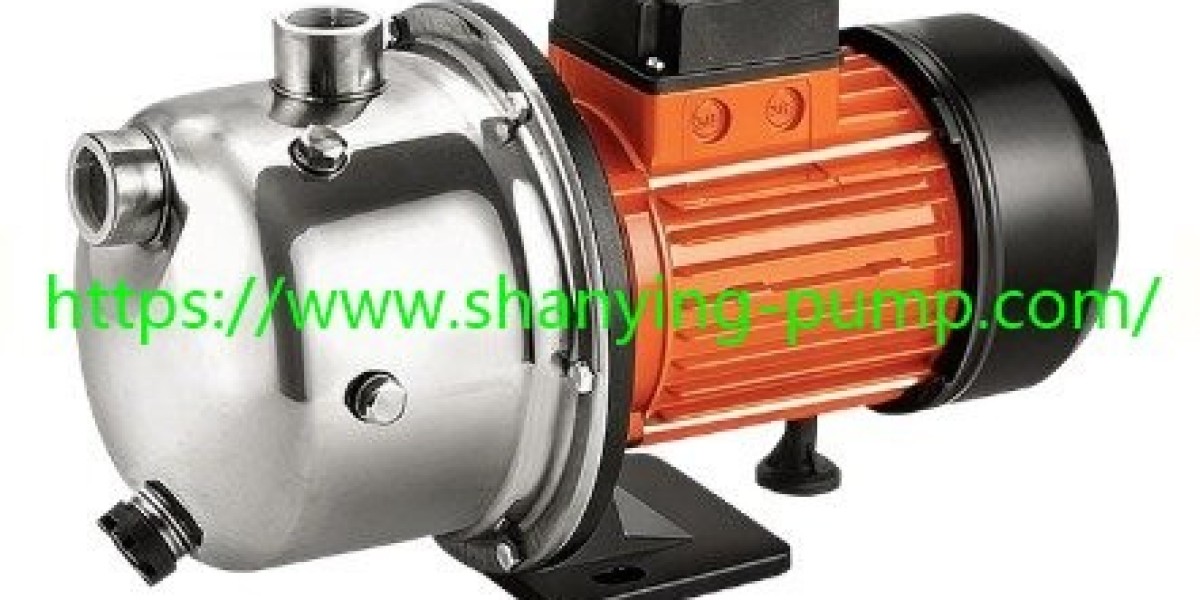

Water management often takes place in environments where equipment must operate close to moisture, sediment, changing water levels, and restricted installation spaces. For users comparing a Stainless Steel Submersible Water Pump, the decision involves more than selecting a corrosion-resistant housing. Internal components, motor protection, hydraulic structure, installation access, and maintenance requirements all influence how well a pump suits its intended task.
The materials used in a pump should reflect the conditions in which it will operate. Stainless steel can provide useful resistance to corrosion, but its suitability depends on the specific material grade and the liquid being handled. Water containing salts, chemicals, or other aggressive substances may require additional compatibility checks. Buyers should describe the source and condition of the water so the manufacturer can assess whether the proposed construction is appropriate.
Internal components require similar consideration. Impellers, shafts, seals, bearings, and motor enclosures each experience different operating conditions. The impeller interacts directly with the water, while seals help prevent liquid from reaching protected mechanical or electrical areas. A suitable combination of materials can support dependable operation, but no single material choice guarantees performance under every condition. Component compatibility and assembly quality matter throughout the pump structure.
Before purchasing a pump, buyers should identify the actual water-handling task. Emptying a flooded utility area, circulating water in an agricultural setting, transferring stored water, and managing drainage around a building can involve different demands. The source, destination, water cleanliness, installation depth, discharge arrangement, and expected frequency of operation should all be considered. Clear application information helps prevent a mismatch between the selected pump and the work it needs to perform.
Water containing suspended solids presents another selection challenge. Sand, fibers, leaves, and sludge can affect internal passages and cause wear or blockage if the pump is not designed for those conditions. Clean-water models and drainage-oriented designs may have different intake arrangements and impeller structures. Buyers should confirm the manufacturer's guidance on the types of liquid the equipment can handle instead of assuming that all submersible pumps serve the same purpose.
Hydraulic engineering determines how water enters the pump, moves through the impeller, and exits through the discharge connection. The internal flow path needs to suit the intended application while limiting unnecessary obstruction. Pipework also affects the complete system: bends, narrow passages, elevation changes, and discharge restrictions can influence how the installation performs. Evaluating the pump together with the connected water route gives buyers a more realistic understanding of system suitability.
Electrical protection is especially important because the motor operates in a submerged environment. The design may incorporate sealing systems, protected cable entries, insulation, and other features intended to reduce the risk of water reaching electrical components. Correct installation remains essential, even when the pump is designed for submerged use. Users should follow the manufacturer's instructions for electrical connections, grounding where required, and any protective devices appropriate to the installation.
Ease of handling can influence the practical value of a pump. Equipment used for temporary drainage may need to be moved between locations, while a pump installed in a permanent water system may be accessed mainly for inspection and service. Lifting points, cable routing, accessible connections, and a stable base can make installation more manageable. Clear instructions also help users understand how to position the equipment without obstructing its intake or discharge.
Maintenance should be planned around the water conditions and frequency of use. Intake screens and flow passages may collect debris, while seals, cables, and external surfaces can require periodic inspection. A pump that is easy to remove and clean can reduce the effort involved in routine care. Users should also understand how to disconnect power safely before inspection and when professional service is appropriate.
Environmental conditions affect long-term usability as well. Outdoor installations may encounter rain, mud, temperature changes, or accidental impact during nearby work. A pump used in a narrow pit or tank may be difficult to retrieve if the installation does not provide suitable access. Planning for these conditions before installation can make routine operation more convenient and help maintenance personnel reach the equipment when necessary.
Design and appearance are connected to function through the arrangement of the pump's housing, base, outlet, cable, and handling features. A compact body may fit more easily into confined spaces, while an appropriately designed intake helps accommodate the intended water source. Smooth external surfaces can make cleaning easier, and a well-organized structure can help users identify connection points. Practical design prioritizes safe handling, clear installation, and service access over decorative details.
Taizhou Shanying Pump Co., Ltd. operates in the water pump industry, where product selection depends on matching equipment construction to the needs of each application. Buyers discussing a pump project can provide information about water quality, installation conditions, drainage arrangements, maintenance access, and the surrounding environment. These details help establish a more useful basis for discussing material compatibility, pump structure, and practical operating requirements.
Storage and seasonal preparation may also affect how a pump is used over time. Equipment brought out for occasional drainage should be inspected before use, while pumps removed from service may need appropriate cleaning and storage according to manufacturer guidance. Considering retrieval, inspection, and storage during the initial selection process helps ensure that the equipment fits not only the immediate water-handling task but also the practical routines of the people responsible for it. Further information about Taizhou Shanying Pump Co., Ltd. and its pump products is available at https://www.shanying-pump.com/