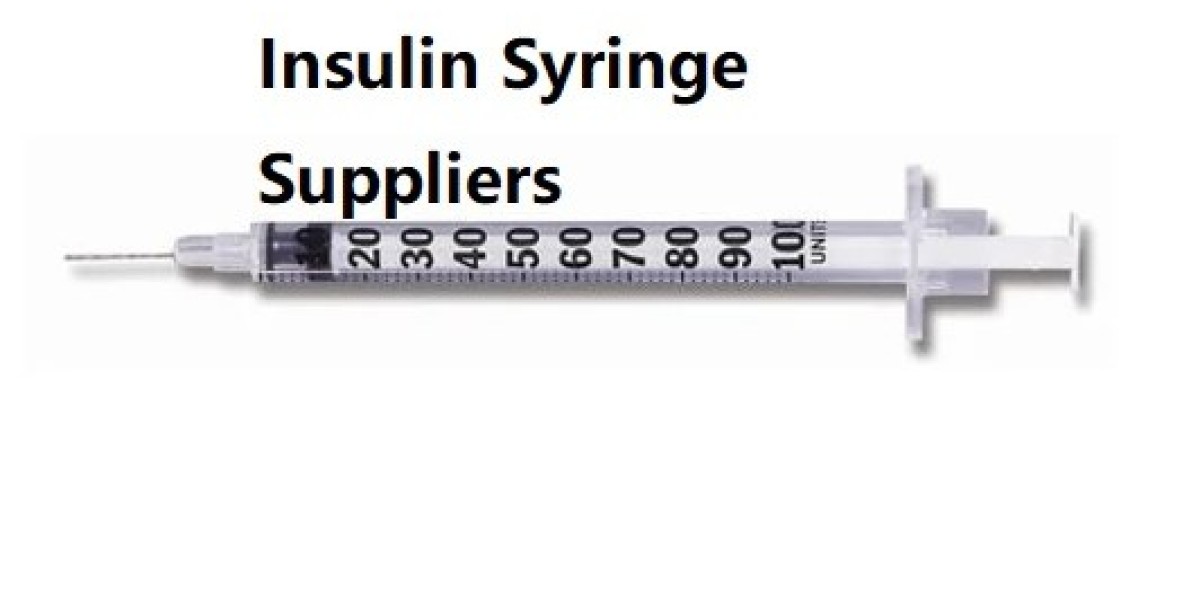

Managing disposable medical products requires a purchasing strategy that considers product suitability, packaging details, order flexibility, and customer expectations. When healthcare distributors evaluate Disposable Syringe Suppliers , they need clear product information and effective communication to make informed sourcing decisions. Working with suitable Disposable Syringe Suppliers can help businesses organize purchasing requirements, compare available options, and coordinate product deliveries with their broader supply activities. A thoughtful approach also helps buyers identify essential specifications before committing to an order, reducing confusion during communication and supporting smoother cooperation between purchasing teams and suppliers.
Define Purchasing Requirements Before Comparing Options
Every purchasing project begins with understanding what the business actually needs. Buyers should consider the intended application, syringe capacity, product configuration, packaging preferences, and applicable market requirements before requesting quotations. Clear specifications make it easier to compare proposals and identify differences between available products.
It is also useful to separate essential requirements from optional preferences. For example, certain buyers may need particular packaging arrangements, while others prioritize a specific product configuration or documentation format. Preparing these details in advance helps suppliers respond more accurately and gives purchasing teams a consistent basis for evaluating potential options.
Evaluate Packaging and Product Identification
Packaging deserves careful attention when purchasing disposable medical supplies. Appropriate packaging information helps buyers understand how products are presented, identified, transported, and stored. Before confirming an order, businesses should review the stated packaging configuration and clarify any labeling or identification requirements relevant to their operations.
Product identification is equally important when handling multiple syringe types. Clear internal records can help warehouse personnel distinguish product variations and match incoming shipments with approved purchasing documents. Buyers should also confirm whether the packaging and labeling arrangements satisfy applicable requirements in the destination market. These checks support more organized receiving procedures and help prevent avoidable confusion during distribution.
Explore Disposable Syringe Options With INIMD
Finding a suitable product involves reviewing more than a general catalog description. Buyers should examine the available product information and confirm details such as capacity, configuration, packaging, and intended application. If a requirement is unclear, direct communication can help establish whether a listed option matches the purchasing project's needs.
INIMD provides an online category for disposable syringe products, giving distributors and medical supply businesses a starting point for exploring relevant options. Buyers can prepare focused inquiries that outline their preferred specifications, expected order requirements, and destination market. Confirming these details before placing an order helps both parties establish clearer expectations and determine whether additional product information or documentation is needed.
Coordinate Orders and Delivery Expectations
Order coordination connects purchasing decisions with practical business operations. Before confirming a transaction, buyers should review quantities, product descriptions, pricing terms, expected lead times, shipping arrangements, and relevant documentation. Written confirmation helps ensure that the purchasing team and supplier share the same understanding of the order.
Businesses should also establish a communication process for handling changes. Adjustments to quantities, requested delivery schedules, or product requirements may affect other activities, including warehouse planning and customer commitments. Promptly sharing updated information helps the relevant teams assess these changes and respond appropriately. Maintaining organized order records can also simplify follow-up discussions and support more consistent purchasing decisions over time.
Build Consistency Through Ongoing Supplier Reviews
Supplier evaluation should continue after the initial purchase. Businesses can review communication quality, order accuracy, documentation, packaging consistency, and the suitability of supplied products against agreed requirements. Recording these observations gives purchasing teams a clearer basis for future decisions and helps identify areas where coordination could improve.
Regular discussions may also help buyers communicate changing customer preferences or updated operational needs. Rather than assuming every order will follow the same pattern, businesses can confirm requirements for each purchasing cycle and address outstanding questions early. For companies seeking disposable syringe product information, exploring the relevant category and discussing specific requirements directly can provide a practical starting point. Visit https://www.inimd.com/ to learn more about the available product range.




