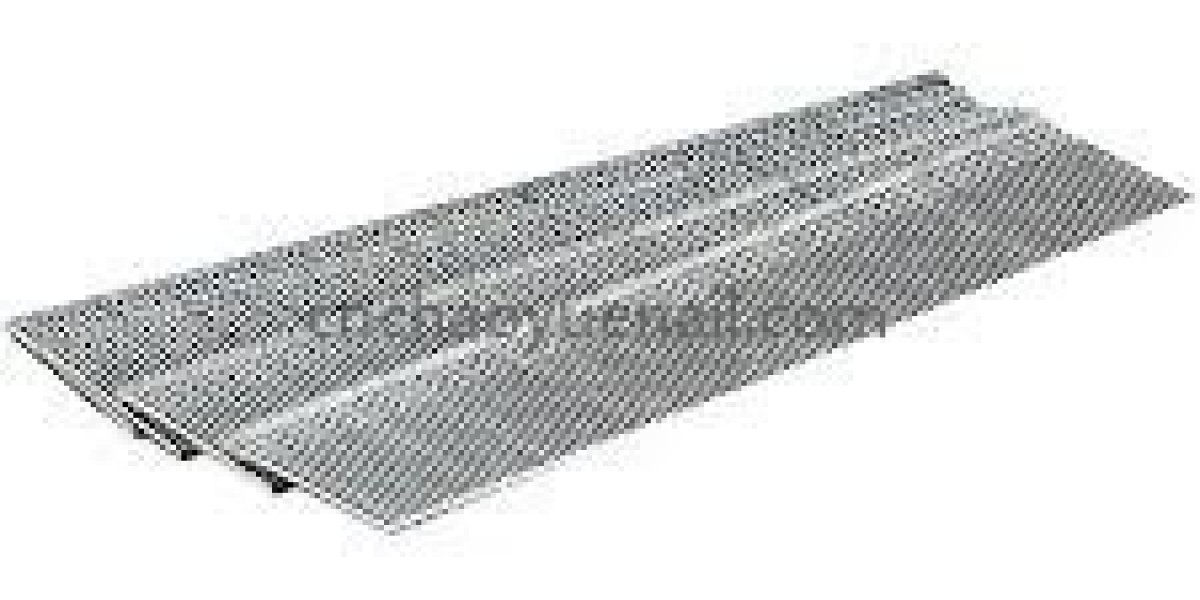

In professional woodworking, furniture assembly, and industrial production, consistent fastening supplies help businesses maintain efficient workflows and dependable assembly quality. 90K Staples are manufactured through coordinated material preparation, automated forming, inspection, and packaging processes. Each stage contributes to product consistency and compatibility with the intended fastening equipment. For purchasing managers and distributors, understanding these production controls provides a useful foundation for evaluating suppliers and establishing long-term sourcing arrangements.
The process begins with steel wire selection and incoming material inspection. Wire quality affects forming stability, finished-product geometry, and the consistency of production batches. Manufacturers may review material documentation and examine dimensional uniformity, surface condition, and suitability for the intended application. Reliable raw material control helps reduce variation before processing starts. Buyers should communicate the application and expected operating conditions so that material selection and finishing requirements can be assessed appropriately.
Wire preparation establishes suitable conditions for automated production. Depending on the manufacturing process, the material may undergo drawing, straightening, cleaning, and lubrication. Drawing helps establish a consistent wire profile, while straightening improves alignment during machine feeding. Cleaning helps remove contaminants that could interfere with production, and appropriate lubrication reduces friction between the wire and tooling. Consistent preparation supports smoother material movement and helps minimize avoidable production interruptions.
Automated machinery then feeds, cuts, and bends the wire into the required staple configuration. Accurate feeding and coordinated forming movements help maintain consistent shape and alignment. Machine settings must match the material characteristics and product design, while operators monitor the production process for signs of deviation. Regular sampling and timely adjustments help prevent small variations from developing into larger batches of nonconforming products. Stable forming conditions also contribute to efficient material utilization.
Production tooling needs ongoing maintenance to preserve accuracy. Cutting edges, forming blocks, and feeding components experience wear during repeated operation. Excessive wear can cause irregular cuts, uneven bends, or changes in product geometry. Preventive maintenance includes routine cleaning, inspection of critical components, and replacement of worn parts when necessary. Keeping maintenance records allows production teams to identify recurring problems and plan servicing before equipment conditions significantly affect output.
A systematic quality management process should cover raw materials, production stages, and finished products. Depending on the customer's requirements, inspections may assess staple shape, leg alignment, crown consistency, surface appearance, and packaging quantity. Standardized sampling procedures help maintain consistent inspection practices across production batches. Clear acceptance criteria also improve communication between manufacturing, quality assurance, and purchasing teams. Batch records support traceability and make it easier to investigate product concerns following delivery.
Fastening-tool compatibility is a practical consideration for buyers. Products with similar names or appearances may have different configurations and may not work with the same equipment. Purchasers should confirm the required product type against the tool manufacturer's specifications before ordering. The workpiece material, assembly design, and intended fastening conditions also affect suitability. Sharing this information with a supplier helps establish clear requirements and reduces the risk of ordering products that do not match the intended application.
Surface finish and packaging influence product handling and storage. Depending on customer needs, different finishes may be available, but their suitability should be evaluated against the expected working environment. Buyers should not assume that every finish offers the same corrosion resistance. Following inspection, products should be packaged to reduce contamination, deformation, and exposure to unsuitable moisture conditions. Clear labels and batch references support warehouse organization, stock identification, and repeat-order management.
Resource efficiency is another consideration in modern staple manufacturing. Accurate machine setup helps reduce startup waste, while consistent wire feeding and effective tooling maintenance can lower the number of rejected products. Steel scrap may be separated for recycling where appropriate facilities are available. Production scheduling that minimizes unnecessary changeovers can also improve equipment utilization. These measures support more efficient use of materials and production resources without replacing the need for rigorous quality control.
For wholesalers, distributors, and industrial manufacturers, supplier selection should consider more than the initial purchase price. Material consistency, manufacturing controls, inspection documentation, packaging arrangements, and communication all influence the reliability of repeat orders. When sourcing 90K Staples, confirm product configuration, tool compatibility, application requirements, and packaging preferences before finalizing a purchase. Clear specifications help reduce misunderstandings and support a more predictable supply process. For available fastening products and manufacturing information, visit https://www.cnchaoyuenail.com/product and discuss your requirements with the supplier.