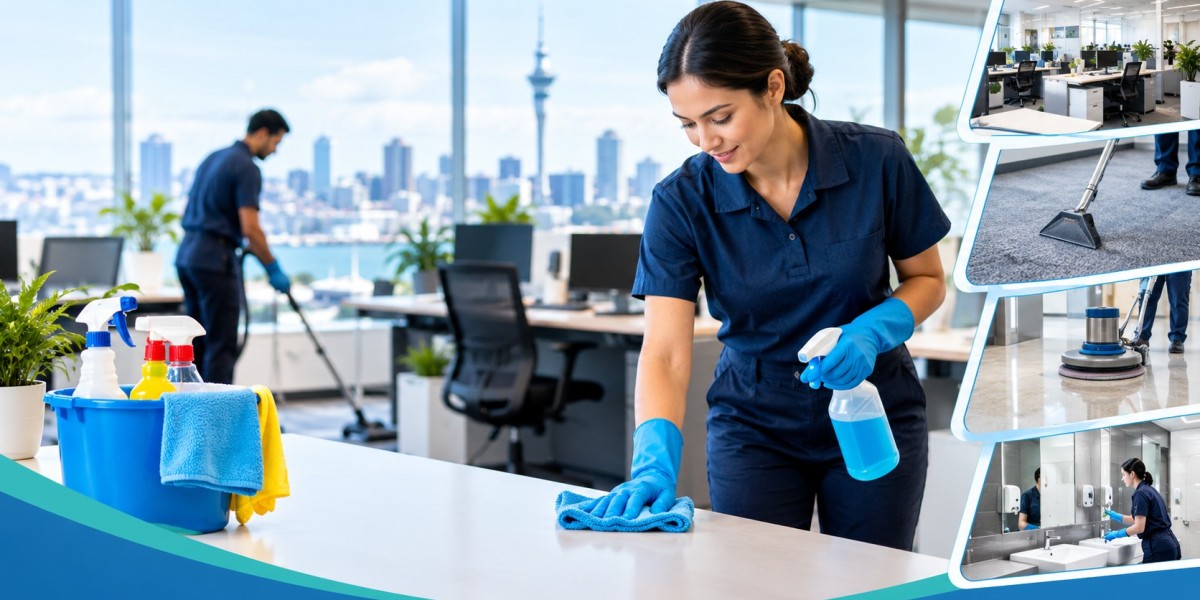

Commercial Cleaning Companies in Auckland: How to Find the Right Fit for Your Business
Type a quick search into Google and you’ll find dozens of cleaning providers, all promising reliable service, competitive pricing and spotless results. On paper they look almost identical. In reality, the gap between a great provider and a mediocre one shows up quickly: missed visits, patchy standards, staff you’ve never met, and emails that go unanswered.
Picking from the many Commercial Cleaning Companies in Auckland doesn’t have to be a gamble. If you know what to look for, what to ask and which warning signs to watch for, you can narrow the field in an afternoon and sign a contract you won’t regret.
This guide walks through the whole process, from working out what you need to the questions that separate professionals from amateurs.
Start With Your Own Needs, Not Their Sales Pitch
Before you contact anyone, spend ten minutes writing down what your premises actually require. It sounds obvious, yet most people skip this step and end up comparing quotes that aren’t comparable.
Think about the following:
- Size and layout. How many square metres, how many floors, how many bathrooms and kitchens?
- Type of business. A dental clinic, a gym and a corporate office all have very different hygiene demands.
- Traffic. How many staff and visitors pass through each day?
- Timing. Can cleaners work during the day, or do you need evenings and early mornings?
- Flooring. Carpet, vinyl, timber, concrete and tiles all need different care.
- Special requirements. Security access, alarm codes, sensitive equipment, children on site or food preparation areas.
With this list in hand, every conversation becomes more productive. You’ll get accurate quotes, and you’ll quickly spot providers who ask good questions versus those who just throw out a number.
What Do Professional Cleaning Companies Actually Offer?
Most providers cover the same broad menu, though the depth and quality differ. Typical services include:
Routine office and workplace cleaning. Vacuuming, mopping, dusting, bin removal, surface wiping, kitchen cleaning and bathroom sanitising on a daily or weekly schedule.
Deep cleaning and sanitisation. Intensive work that tackles built-up grime, high-touch point disinfection and preventive cleaning. This is useful as a first reset or after an illness outbreak.
Carpet cleaning. Stain removal, spill treatment and regular maintenance for high-traffic areas.
Floor polishing. Buffing, restoration and ongoing care that keeps hard floors safe, shiny and durable.
Industry-specific cleaning. This might include school and early childhood centre cleaning, restaurant and cafe cleaning, healthcare facility cleaning, warehouse floor care, gym and studio cleaning, or bank and government building maintenance.
A strong provider doesn’t just list these services. They explain how each one applies to your premises and build a plan around you, rather than pushing a standard package.
Why the Cheapest Quote Is Rarely the Best Deal
It’s tempting to pick the lowest price. Budgets matter, and cleaning is often seen as an overhead to minimise. But cleaning is a labour-driven service, and labour has a real cost. When a quote comes in dramatically lower than the others, something has to give.
Common ways a rock-bottom price gets “achieved”:
- Cleaners are rushed and given too little time on site.
- Staff are poorly trained or not properly vetted.
- Quality checks are skipped entirely.
- High turnover means a new face every week.
- Extras and add-ons appear on invoices later.
- Cheaper, harsher chemicals replace better products.
The result is often a contract you end up cancelling after three months, followed by the stress of starting the search all over again. Paying slightly more for a dependable provider usually costs less in the long run.
The Questions That Reveal a Company’s Real Standards
Here’s the part most people overlook. The best way to compare providers isn’t to read their websites. It’s to ask pointed questions and listen carefully to the answers.
“How do you vet and train your cleaners?”
You’re handing over access to your workplace, sometimes outside normal hours, so screening matters. A confident provider will explain their background checks and training in plain terms. Look for formally recognised training and a proper induction, not just “they learn as they go.”
“What happens if something goes wrong?”
Every business has an off day. What matters is how problems are handled. Ask how complaints are reported, how fast they’re resolved, and who you’d actually speak to. If the answer is vague, expect the experience to be the same.
“How do you check the quality of the work?”
Promises don’t equal systems. A reliable company inspects its sites regularly, records the results and follows up on weaknesses. Ask who carries out the inspections and how often. Regular quality assurance checks are one of the clearest signals that a provider takes standards seriously.
“Can I see what’s being done?”
Transparency separates good providers from average ones. Some companies offer a real-time online platform where you can monitor completed tasks and raise concerns instantly. When you can’t be on site while cleaning happens, that kind of visibility is a huge relief.
“What are your health and safety procedures?”
Chemical handling, correct equipment use, incident reporting and safe work practices should all be documented. This is especially important in schools, medical centres and food businesses, where mistakes carry real consequences.
“What products do you use?”
Eco-friendly products are better for staff health and for the environment, and good ones perform just as well as harsher alternatives. A provider with a clear environmental policy usually has its processes in order elsewhere too.
“Who will actually be cleaning my premises?”
Some companies use their own employees. Others work through independent owner-operators supported by a larger organisation. Neither model is automatically better, but you should understand which you’re dealing with. Ask whether the same cleaners will attend regularly, because consistency builds familiarity and better results.
Red Flags to Watch For
Experience teaches a few warning signs that are worth remembering:
Pressure to sign immediately. A good provider is happy for you to compare options and think it over.
No site visit. Quoting without seeing your premises usually means guessing, and guesses lead to disputes later.
Vague contracts. If the scope, frequency, price and exit terms aren’t clearly written, walk away.
No references or testimonials. Satisfied customers are easy to find. If a company can’t point to any, ask why.
Unclear insurance. Professional providers should be comfortable explaining their cover.
Poor communication from the start. If emails go unanswered before you’ve signed, it won’t improve afterwards.
Why Local Coverage Matters
Auckland is spread over a huge area, and traffic, parking and access conditions vary enormously between the CBD, the North Shore, East Auckland, West Auckland and the south. A provider that works regularly in your neighbourhood can respond faster, arrive on time more reliably and understand local building quirks.
When you’re evaluating Commercial Cleaning Companies in Auckland, ask directly where their teams are based and which suburbs they cover regularly. A company that stretches itself too thin across the region may struggle with punctuality, especially for urgent call-outs.
It’s also worth asking whether the provider operates beyond Auckland. If your business has sites in other cities such as Hamilton, Tauranga, Wellington or Christchurch, working with one nationwide provider can make management far simpler, with consistent standards and a single point of contact.
Matching the Provider to Your Industry
Experience with your type of premises counts for more than you might expect. A cleaner who understands your environment doesn’t need constant supervision.
Schools and early childhood centres need cleaners who are thoroughly vetted and who understand child-safe products and higher hygiene standards.
Medical, dental and allied health clinics require careful infection control routines, consistent sanitisation and well-trained staff.
Restaurants, cafes and bars need cleaning that supports food safety and fits around service hours.
Gyms and fitness studios depend on regular equipment sanitising, floor care and well-maintained bathrooms and changing rooms.
Corporate offices and co-working spaces benefit from discreet after-hours cleaning, strong attention to shared areas and high-touch points.
Warehouses and distribution centres call for the right machinery, a focus on safety and experience with large floor areas.
Banks, government buildings and car dealerships need immaculate public areas and cleaners who respect security procedures.
Places of worship require gentle, respectful care for sanctuaries, seating, carpets and floors.
Ask any shortlisted provider for examples of similar sites they already look after. A confident answer usually reflects genuine experience.
Understanding What Drives the Price
Once you’ve found a few promising candidates, comparing quotes becomes easier if you know what shapes them.
- Floor area and layout. More space and more rooms mean more time.
- Cleaning frequency. Daily visits cost more weekly, but often less per visit.
- Type of premises. Kitchens, medical rooms and busy public areas need more intensive work.
- Schedule. Evening, early-morning and weekend work can affect pricing.
- Specialised services. Carpet cleaning, floor polishing and deep cleans are usually priced separately.
- Starting condition. A first clean of a neglected site can take considerably longer than ongoing maintenance.
When you receive quotes, check they’re all based on the same scope. If one is much cheaper, find out exactly what’s been left out.
What a Good Onboarding Looks Like
The first few weeks set the tone for the whole relationship. A professional provider will usually:
- Visit your premises and walk through every area with you.
- Agree on a written scope, schedule and checklist.
- Introduce the team who’ll be working on your site.
- Confirm access arrangements, alarm procedures and key handling.
- Check in after the first week or two to ask how things are going.
If any of this feels rushed or skipped, that’s worth noting. A company that invests effort at the start generally maintains that attention later.
Keeping the Relationship Strong
Hiring a provider is only half the job. The best results come from a two-way relationship.
Share feedback early. Small concerns are easy to fix when raised quickly. Left alone, they become frustrations.
Be clear about changes. If you move desks, add staff or change opening hours, let your provider know so the plan can adjust.
Review the arrangement regularly. A short check-in every few months keeps everyone aligned and gives you a chance to refine the scope.
Recognise good work. Cleaners who feel valued tend to take more pride in what they do.
Frequently Asked Questions
How many quotes should I get?
Three is usually enough. It gives you a sense of the market without turning the process into a project of its own.
Should I sign a long-term contract?
Only if you’re comfortable with the terms. Check notice periods, price review clauses and what happens if standards slip.
Can cleaning happen while staff are working?
Yes, though most businesses prefer after-hours cleaning to avoid disruption. Some sites, such as schools and gyms, need flexible timing.
What should be in a cleaning agreement?
Scope of work, frequency, price, schedule, quality-check process, insurance details and termination terms.
How quickly can a new service start?
This varies, but many providers can begin within a week or two once the quote and scope are agreed.
Final Thoughts
Choosing between cleaning providers feels harder than it should, mainly because they all say the same things. The real differences appear in how they hire, train, inspect, communicate and respond when things go wrong.
Take your time, compare like for like, ask direct questions and trust your instincts about how a company treats you before you’ve even signed. If you’re researching Commercial Cleaning Companies in Auckland, keep your focus on reliability, transparency and fit for your premises rather than on price alone.
A clean workplace supports healthier staff, happier customers and a more professional image. With the right partner, it’s one less thing on your list and one more reason your business looks its best every single day.