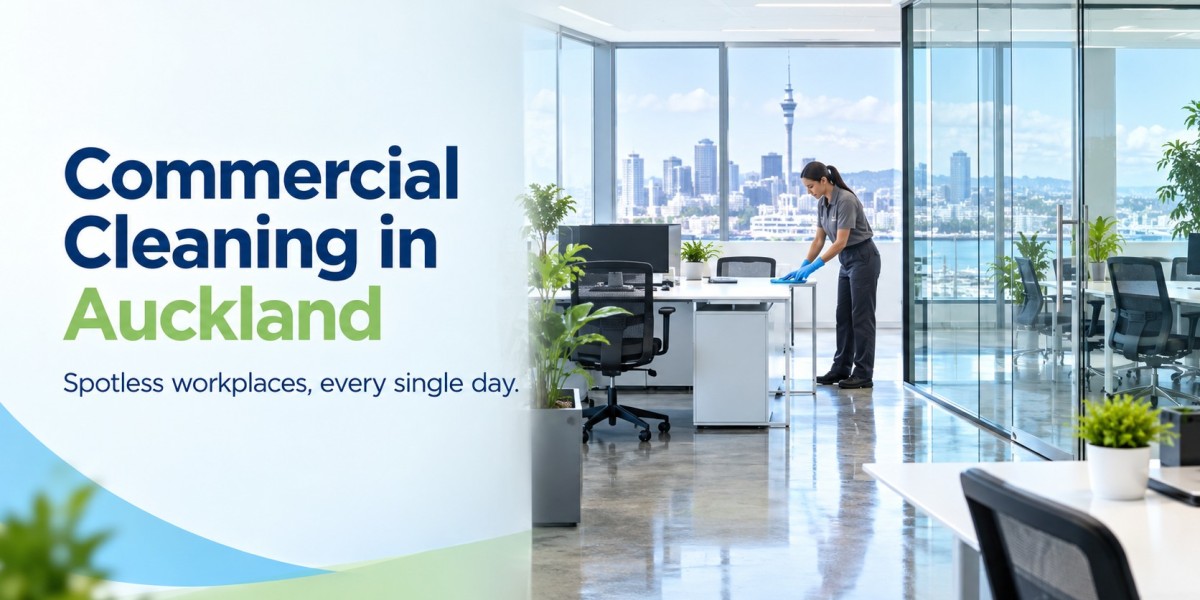

Commercial Cleaning in Auckland: A Practical Guide for Business Owners
Walk into any workplace and you can tell within thirty seconds whether someone cares about it. Fresh air, clear floors, a spotless kitchen and a bathroom you don’t hesitate to use all send a quiet message to staff and visitors: this place is looked after.
Most owners and managers already know this. The harder part is keeping it up while running everything else. That’s where Commercial Cleaning in Auckland comes in. Done properly, it’s far more than a quick vacuum and a bin run. It’s a routine that protects health, extends the life of your fit-out and lets your team focus on the work they’re paid to do.
This guide covers what professional cleaning includes, which industries need what, how to choose a provider, and what drives the price, so you can make a confident decision.
Why Professional Cleaning Matters More Than You Think
Many businesses start by sharing the cleaning around the team. It feels economical and works for a while. Then the kitchen gets neglected, the carpets start to look tired, and somebody notices a smell nobody can trace.
Cleanliness affects more than appearances:
Health and sick days. Shared surfaces such as door handles, light switches, lift buttons, keyboards and tap handles pass germs around quickly. Regular sanitising of high-touch points reduces the spread of colds and flu, which means fewer people calling in sick.
First impressions. Clients and customers judge a business by what they can see. A tidy reception area, a shiny floor and a fresh-smelling meeting room build trust before anyone says a word.
Staff morale. People work better in clean, organised spaces. A well-kept workplace tells your team they matter.
Asset protection. Carpets, hard floors and furniture are expensive. Grit, spills and neglect wear them out faster. Proper maintenance stretches their life and delays costly replacements.
Compliance. Schools, medical centres and food businesses must meet strict hygiene standards. Professional cleaners understand those expectations and work to them.
What Does a Commercial Cleaning Service Actually Include?
Scope varies by site, but most agreements are built from the same core pieces.
Daily or routine cleaning
This is the backbone of any plan. It usually covers emptying bins, vacuuming and mopping, wiping desks and common surfaces, cleaning kitchens and kitchenettes, restocking consumables and sanitising bathrooms. The frequency depends on foot traffic. A busy office might need a nightly visit, while a small consulting room may only need two or three a week.
Deep cleaning
Some jobs go beyond the routine. Deep cleaning tackles built-up grime, behind-and-under areas, detailed sanitisation and disinfection, and thorough attention to high-touch points. Many businesses book one at the start of a new contract to reset the premises, then repeat it quarterly or after an illness outbreak.
Carpet cleaning
Carpet holds an astonishing amount of dust, allergens and spilled coffee. Regular maintenance cleaning keeps it presentable, while specialist treatment lifts stains and refreshes high-traffic zones.
Floor polishing and restoration
Hard floors such as vinyl, concrete, timber and tiles can look dull after months of foot traffic. Buffing, polishing and restoration bring back shine and add a protective layer that makes day-to-day cleaning easier.
Specialised tasks
Depending on your premises, you might also need window cleaning, warehouse floor care, equipment wipe-downs in a gym, or sanitisation of ATM and teller stations in a bank. A good provider builds these into a single, tailored plan rather than selling you a rigid package.
Cleaning Needs Differ by Industry
A cleaning plan that works for a law firm will not work for a primary school. Here’s how requirements shift across common types of premises.
Corporate offices and co-working spaces. The focus is on desks, meeting rooms, kitchens, bathrooms and reception areas, usually after hours so staff aren’t disturbed. Shared spaces need extra attention because many people touch the same surfaces.
Schools and early childhood centres. Children put their hands everywhere, and they put toys in their mouths. Hygiene standards are higher, products must be safe, and cleaners need to be thoroughly vetted. Bathrooms, play areas and floors are priorities.
Restaurants, cafes and bars. Food businesses need cleaning that supports food safety: degreased surfaces, sanitised prep areas, spotless front-of-house and well-maintained floors. Timing matters too, since the work has to fit around service hours.
Gyms and fitness studios. Sweat, shared equipment and changing rooms make gyms a hygiene challenge. Equipment sanitising, floor care and bathroom cleaning keep members comfortable and coming back.
Medical and dental centres. Infection control comes first. Waiting rooms, consulting rooms and bathrooms need careful, consistent cleaning with the right products and procedures.
Warehouses and distribution centres. Large floor areas, loading zones and storage spaces call for different equipment and a focus on safety, dust control and tidy walkways.
Banks, government buildings and car dealerships. These sites combine public-facing areas with private offices. Lobbies, showrooms, conference rooms and restrooms all need to look sharp, and security awareness is essential.
Churches and places of worship. Sanctuaries, seating areas, carpets and floors need gentle, respectful care that preserves the character of the space.
Commercial Cleaning in Auckland: Covering the Whole City
Auckland is spread out, and a business in Takapuna has different needs from one in Manukau or Henderson. Travel time, access arrangements, parking and building rules all vary from suburb to suburb.
When you’re sourcing Commercial Cleaning in Auckland, check that your provider genuinely services your part of the region, whether that’s the CBD, the North Shore, East Auckland, West Auckland or South Auckland. A team that already works in your area can respond faster when something unexpected happens, such as a spill before a client meeting or an urgent clean after a maintenance job.
Local knowledge helps in smaller ways too. Experienced cleaners know the quirks of older CBD buildings, the access rules for business parks, and the realities of cleaning around Auckland’s weather, from muddy entranceways in winter to dusty summers.
How to Choose the Right Cleaning Company
Searching for a provider can feel overwhelming because most websites sound identical. Everyone promises quality, reliability and value. Instead of relying on claims, ask questions that reveal how a company actually operates.
Are the cleaners vetted and trained?
You’re giving people access to your premises, often outside business hours. Ask how staff are screened and what training they receive. Look for formal qualifications and proper induction rather than “on-the-job” learning alone.
What are their health and safety practices?
A professional provider should have documented procedures for chemical handling, equipment use and incident reporting. If they can’t explain these clearly, move on.
How do they check quality?
A promise of good service isn’t a system. Ask how often work is inspected, who does the inspecting, and what happens when something falls short. Regular quality assurance checks are one of the clearest signs of a company that takes standards seriously.
Can you see what’s happening?
Visibility is underrated. Some providers offer a real-time online platform where you can monitor completed work and raise issues instantly, instead of chasing someone by phone or email. If you’re not on site when cleaning happens, this kind of transparency removes a lot of doubt.
Is the contract flexible?
Your hours, your layout and your priorities are unique. Be wary of one-size-fits-all packages. A good provider will walk through the premises, listen to what matters to you and build a plan around it.
Are they environmentally responsible?
Eco-friendly products are now an expectation, not a bonus. They’re better for staff health, kinder to the environment and often just as effective. Ask what products are used and how waste is handled.
What do other customers say?
Testimonials and references tell you far more than a brochure. Look for comments about punctuality, consistency and how problems are handled, since those are the things that matter long term.
What Affects the Cost of Commercial Cleaning?
Nobody can give a fair price without understanding your site. Quotes depend on several factors:
- Floor area. Bigger spaces take more time and more people.
- Frequency. Daily cleaning costs more per week than twice-weekly visits, though the cost per visit often drops.
- Type of premises. A medical centre or kitchen demands more detailed work than a standard office.
- Timing. After-hours, weekend or early-morning schedules can change the price.
- Specialised services. Carpet cleaning, floor polishing, deep cleans and window work are usually added on top of routine cleaning.
- Condition of the site. A first clean of a neglected space takes longer than regular maintenance.
The best approach is to request a free quote after an on-site walkthrough. Be cautious of prices that look too good to be true. Rock-bottom rates often mean rushed work, high staff turnover or hidden extras later.
Practical Tips for Getting the Most From Your Cleaning Service
Even the best provider performs better when the relationship is clear. A few habits make a real difference:
Be specific about priorities. If your kitchen matters more than your storeroom, say so. Cleaners can only meet expectations they know about.
Keep surfaces reasonably clear. Cleaners can’t wipe a desk covered in paperwork, and they shouldn’t move personal items without permission. A short “clear desk” policy helps.
Report issues promptly. Small problems are easy to fix when raised quickly and annoying when they build up.
Review the plan regularly. Businesses change. New staff, a bigger floor plan or a busier season can all justify adjusting the scope.
Treat cleaners as part of the team. Acknowledgement and clear communication lead to better results than rigid instructions and complaints.
Why Consistency Beats Occasional Deep Cleans
Many owners ask whether they can get away with a big clean every few months. In practice, regular maintenance almost always works out better. Dirt compounds. Dust that sits for weeks becomes ground in, spills turn into stains, and bathrooms that miss a few visits quickly feel unpleasant.
A steady schedule keeps problems small. It also builds familiarity: the same cleaners learn your premises, spot changes and notice when something is wrong. That kind of consistency is difficult to replicate with sporadic visits.
Frequently Asked Questions
How often should my business be cleaned?
It depends on foot traffic and the type of premises. Busy offices, schools and food businesses usually need daily service, while quieter sites may be fine with two or three visits a week.
Can cleaning be done outside business hours?
Yes. Most providers offer evening, early-morning and weekend schedules so cleaning doesn’t interrupt your day.
Do I need to supply cleaning products?
Normally no. A professional service brings its own products and equipment, which is part of what you’re paying for.
How do I get a quote?
Contact a provider, arrange a site visit and explain your needs. A good company will tailor the quote to your premises rather than quoting blindly.
What if I’m unhappy with the standard of work?
Raise it straight away. A reliable provider will fix it quickly and review their process to prevent repeat issues.
Final Thoughts
A clean workplace is one of the simplest ways to look professional, protect your team’s health and look after the assets you’ve invested in. The key is finding a partner who takes the job seriously, communicates clearly and delivers the same standard every visit.
If you’re comparing options, focus on trained and vetted staff, genuine quality checks, transparent reporting and a plan built around your business. Investing in the right Commercial Cleaning in Auckland service pays off in healthier staff, happier customers and fewer headaches for you.
Take a good look at your premises, list what matters most, and start the conversation. The right team can transform how your workplace looks, feels and performs from the very first visit.





