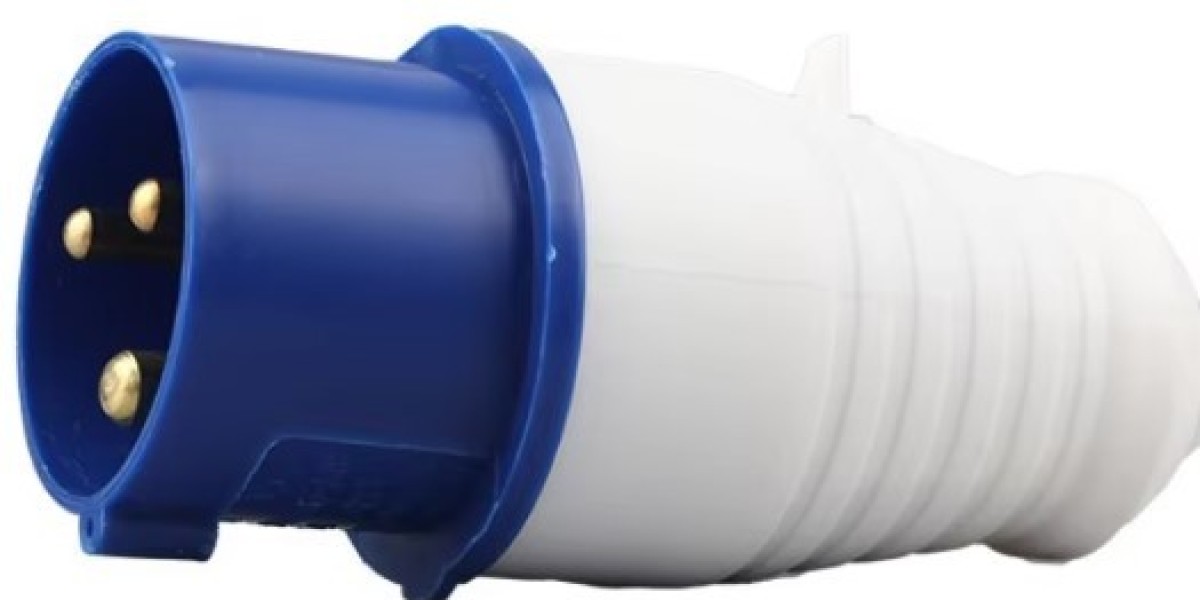

Reliable electrical connections are essential for industrial machinery, commercial equipment, and production systems. Manufacturing plants and workshops need connectors that match their power supplies while providing consistent electrical contact and suitable mechanical protection. 220V Industrial Plug products are intended for compatible 220V applications, where correct ratings, insulation quality, contact construction, and installation practices contribute to dependable power delivery.
Electrical compatibility should be verified before purchasing a connector. Buyers should check rated voltage, current capacity, pole configuration, grounding requirements, and cable specifications. Products with similar appearances may use different contact arrangements or support different loads. The selected plug must match the socket and connected equipment, while the overall installation must comply with applicable electrical standards.
Contact materials influence conductivity and durability. Copper and copper alloys are commonly used because they provide favorable electrical and mechanical properties. Suitable contact finishes may help manage oxidation and wear, depending on the application. Contact pressure and alignment should remain stable during normal operation to limit unwanted resistance. Poor connections can generate excessive heat, making accurate contact dimensions and proper assembly important.
Insulating materials protect users and equipment by separating conductive components. Engineering plastics are frequently used for connector housings because they combine electrical insulation with practical mechanical strength. Material selection should consider temperature, vibration, handling, and possible exposure to chemicals or moisture. Proper contact spacing and manufacturing consistency also contribute to reliable insulation performance.
Grounding must be compatible with the equipment and facility wiring. Where protective earthing is required, the connector should provide the appropriate grounding arrangement. Correct grounding supports the installation's safety design but does not replace overcurrent protection, compliant wiring, or proper maintenance. Installation should be performed according to applicable regulations and manufacturer instructions.
The environment determines the required level of enclosure protection. Indoor installations may need resistance to dust and routine handling, while outdoor or washdown locations may require additional protection against moisture. Buyers should select an appropriate ingress protection rating based on actual conditions. Seals, covers, mounting surfaces, and cable entries must be installed correctly to maintain the specified protection.
Mechanical features help connectors withstand everyday use. Locking mechanisms can reduce accidental separation, while strain relief features limit stress where the cable enters the housing. A durable grip design can improve handling during installation and equipment maintenance. In workplaces with multiple electrical configurations, clear product markings help operators identify compatible components and reduce the chance of incorrect connections.
Quality assurance helps maintain product consistency. Manufacturers may inspect dimensions, contact resistance, insulation performance, grounding continuity, and mechanical retention according to the product design and applicable requirements. B2B buyers should review technical documentation and relevant conformity information before approving products for an installation. Consistent quality processes can also reduce variation across repeat orders.
Routine maintenance supports long-term reliability. Equipment should be safely isolated before inspection or servicing, and electrical work should be performed by qualified personnel. Inspections should look for cracked housings, worn contacts, damaged cables, loose fittings, corrosion, and signs of overheating. Components showing damage should be repaired or replaced according to manufacturer guidance.
For distributors, contractors, and equipment manufacturers, connector procurement should account for electrical compatibility, durability, documentation, and supply continuity. Confirm current capacity, pole arrangement, cable requirements, and environmental ratings before ordering. Standardizing suitable components can simplify stock management and make replacement procedures more efficient across similar installations.
Selecting the right 220V Industrial Plug requires matching the connector to the electrical system and working environment. Reliable contacts, appropriate insulation, proper grounding, and secure construction all contribute to consistent performance. To review industrial plug and socket solutions, visit https://www.socketsfe.com and verify the specifications required for your application.




