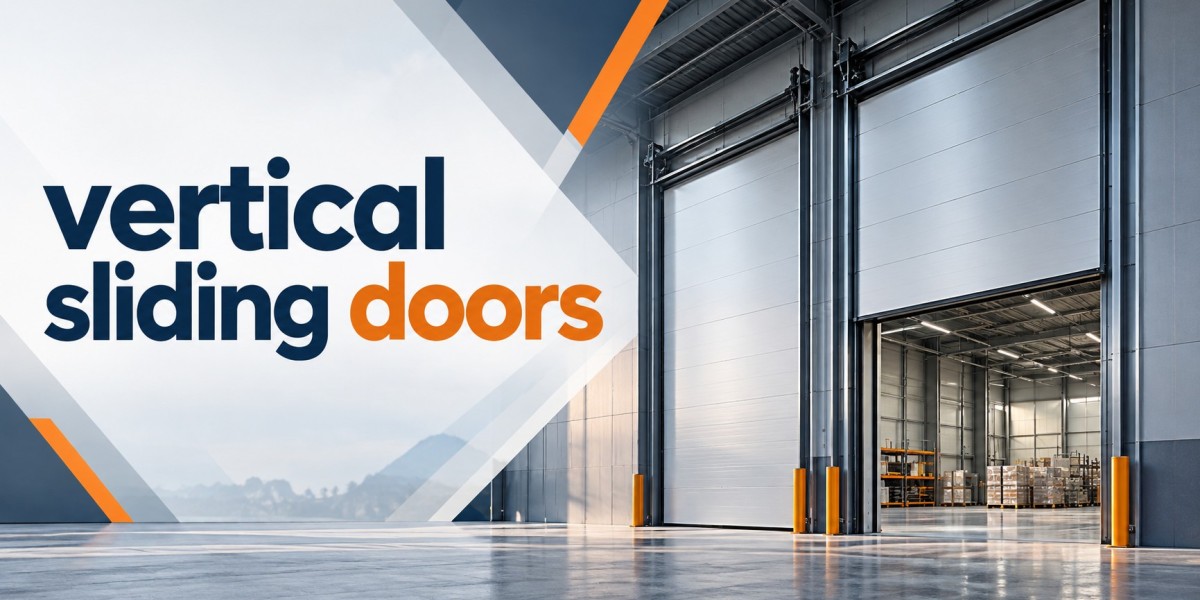

Vertical sliding doors offer an interesting option for projects that need flexible openings, clean lines, and a modern appearance. They move upward or downward instead of sliding sideways, making them useful in selected residential and commercial settings. In this guide, you will discover how these systems work, their benefits, and what to consider before choosing one for your property.
What Are Vertical Sliding Doors?
Vertical sliding doors are glazed or panel-based systems that open and close through vertical movement. Depending on the design, one or more panels may rise, lower, or stack within a frame.
Unlike conventional sliding doors, which move horizontally along a track, these systems use a vertical mechanism. This can help designers create openings where side-to-side movement is not practical.
Some systems use counterweights, while others rely on springs, motors, or specialised lifting hardware. The correct mechanism depends on the panel size, weight, safety requirements, and intended use.
In modern architecture, vertical movement can create a distinctive connection between indoor and outdoor areas. For example, a restaurant may use a suitable lifting-glass system to open a serving area, while a home may use one to improve access to a terrace.
However, not every vertically moving glazed system is designed for use as a door. Some products are windows or serving hatches. Always confirm the intended application, safety features, and relevant performance ratings before specifying a system.
Key Benefits of Vertical Sliding Doors
1. Make Better Use of Space
Traditional hinged doors need room to swing open. Horizontal sliders need space along their tracks. Vertical systems can reduce these particular space demands, depending on their design and installation.
This makes them worth considering for compact areas, counters, and selected architectural openings.
2. Create a Modern Look
Large glazed panels can produce a clean, contemporary appearance. They also help connect indoor spaces with gardens, balconies, patios, and outdoor seating areas.
Slim frames may improve views, although the actual visible frame size depends on the selected product.
3. Improve Flexibility
Certain systems allow openings to be adjusted to suit different activities. For example, a café may raise a glazed panel during suitable weather and close it when conditions change.
Motorised options can also make heavy panels easier to operate when designed with the right controls and safety systems.
4. Support Natural Light
Glazed vertical systems can allow daylight to enter a room. This may make an interior feel more open and welcoming.
However, more glass does not automatically mean better energy performance. Glass selection, shading, orientation, and frame insulation remain important.
How to Choose the Right Vertical Sliding Doors
Selecting a system requires more than choosing an attractive design. Use these steps to assess your options.
Step 1: Identify the Purpose
Decide whether you need a window, a serving hatch, an interior partition, or an exterior door. Each application has different access, weatherproofing, and safety needs.
Step 2: Measure the Opening
Ask a qualified installer to check the opening dimensions, supporting structure, available headroom, and space for the operating mechanism.
Accurate measurements help avoid installation problems and ensure that the selected panels fit properly.
Step 3: Check the Lifting Mechanism
Panel weight affects how a system operates. Ask whether the product uses counterbalances, springs, or a motor.
For powered systems, review the controls, emergency operation, obstacle detection, and protection against unintended movement. Do not assume every product includes the same safety features.
Step 4: Review Glass and Frame Quality
Choose glazing suited to the location and intended use. Depending on the application, safety glass, insulated glazing, solar control, and acoustic performance may be important.
Also check frame materials, seals, drainage, corrosion resistance, and hardware quality.
Step 5: Confirm Weather and Structural Performance
For exterior installations, request documented information on wind resistance, air leakage, and water penetration. Ensure the product suits the building's exposure and local regulations.
Step 6: Compare Complete Costs
Compare the product, installation, electrical work, finishing, maintenance, and warranty. A low initial price may not include everything needed for a safe, complete installation.
Common Mistakes to Avoid
When planning vertical sliding doors, keep these common mistakes in mind:
Choosing the wrong product type: Confirm that the system is designed for the intended use, especially when people will pass through the opening.
Ignoring panel weight: Heavy glass requires suitable lifting hardware and structural support.
Overlooking safety features: Check locking, anti-drop protection, obstacle detection, and emergency operation where relevant.
Neglecting weatherproofing: Exterior systems need suitable seals, drainage, and verified performance.
Forgetting maintenance: Moving parts, tracks, seals, and motors may require periodic inspection and servicing.
Planning these details early helps reduce installation issues and supports long-term reliability.
Conclusion
Vertical movement can offer a distinctive design option for projects that need flexible openings and a modern glazed appearance. The right system can support natural light, efficient space planning, and convenient operation.
However, safety, panel weight, structural support, weather resistance, and maintenance must come first. If you are planning a residential or commercial project, compare suitable vertical sliding doors with other opening systems and consult an experienced supplier or installer. Careful planning will help you select a solution that fits your design, budget, and practical needs.
Frequently Asked Questions
1. What are vertical sliding doors used for?
They can be used in selected homes, commercial spaces, serving counters, and architectural openings. The suitable application depends on the product's design, safety features, and performance ratings.
2. Are vertical sliding doors suitable for homes?
Yes, some systems are suitable for residential use. Check the available opening size, lifting mechanism, safety features, weather resistance, and local building requirements before choosing one.
3. Are motorised vertical sliding doors safe?
They can be safe when properly designed, installed, and maintained. Look for appropriate anti-drop protection, obstacle detection, secure controls, and emergency operation features where required.
4. How much do vertical sliding doors cost?
Prices vary with dimensions, glass type, frame material, operating mechanism, automation, and installation complexity. Request a detailed quotation that includes hardware, installation, finishing, and warranty coverage.
5. How do I maintain vertical sliding doors?
Follow the manufacturer's maintenance instructions. Arrange regular inspections of moving parts, lifting mechanisms, seals, tracks, and electrical controls. Do not attempt repairs on loaded lifting systems without qualified assistance.